It’s officially a new year, so for the fifth time in a row, we’re going to be talking about some of the different fashion trends we expect to make a splash in 2025. Like just about anything, fashion trends begin with innovators before spreading to early adopters where it begins to gain momentum with the early majority until it goes fully mainstream.
Our fashion predictions are based on a careful analysis of these innovators and early adopters as well as consumer shopping habits, social media trends, and the sociopolitical climate. Because this is all about finding an existing pattern and identifying it, there’s a high chance that you’ve already begun to see some of the trends that we’re going to be talking about, but it doesn’t change the fact that they’re still in their early stages and are only on their way to entering the mainstream.
Things like ballet flats, bows, corsets, and stockings which are already defining features of the 2020s won’t be mentioned in this video for that very same reason since they already are as mainstream as you could get.
For centuries, fashion has been cyclical with every generation taking inspiration from the ones that came before it, but there’s no denying that the trend cycle is now moving at a faster pace than ever before. Besides the public having more disposable income than at any other point in history, thanks to fast fashion retailers like Shein and social media platforms like TikTok, people are spending more and more money on things they don’t need in an attempt to live up to the false narrative that what they have isn’t enough.
Because of this increased rate of consumption, fashion of the 2020s has changed dramatically with each passing year, and some trends have been so short-lived that I hesitate to even call them trends at all. Personal style isn’t something you just buy – it takes knowledge, patience, and hard work, and if all you do is chase every fad that comes your way, you’re just telling the world that you have no idea who you are.
So as I say every single year, please don’t toss out your entire wardrobe in an attempt to follow these fashion trends, and if there’s something that you’re truly interested in, remember to shop mindfully.
2025 Fashion Trends – Key Takeaways
The Moral of Fashion Trends
Fashion trends begin with innovators before spreading to early adopters and eventually going mainstream, but the trend cycle is now moving at a faster pace than ever before thanks to fast fashion and social media. Personal style isn’t something you just buy – it takes knowledge, patience, and hard work, and if all you do is chase every fad that comes your way, you’re just telling the world that you have no idea who you are. Please don’t toss out your entire wardrobe in an attempt to follow these fashion trends, and if there’s something that you’re truly interested in, remember to shop mindfully. Fashion is often used as a form of escapism, and with the current state of the world being stressful, clothing is going to get a lot more fun as a way of going back to better days. The key is to find existing patterns and identify them rather than blindly following every short-lived microtrend that appears.
The New Romantics Revival
In last year’s trend predictions video, I mentioned that we’d begin to see an increase in 1980s fashion influences as we move further into the 2020s, and I’m happy to say that I’ve been proven right. The decade saw a range of subcultures and aesthetics spring up like Miami Vice, punk, preppy, and Gothic. While these styles seem pretty different at first glance, they’re all a product of their time, each incorporating the big hair, loud colors, and exaggerated silhouettes that came to define the 1980s.
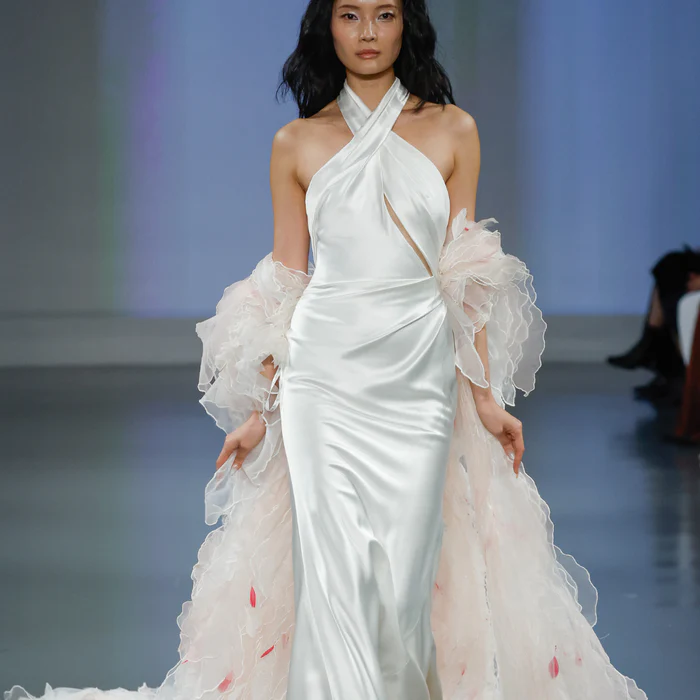
One of the subcultures that I predict will have the biggest influences on 2025 are the New Romantics. In 1979, the Blitz opened in London, and the club quickly made a name for itself because of its unique music scene and flamboyant clientele. The Blitz enforced an incredibly strict dress code, denying entry to anyone who they felt weren’t dressed creatively or subversively enough for the scene.
The subculture, which was dubbed “New Romantic” by the press, combined glam rock with 19th-century fashion, creating an eclectic look that was considered an expression of their identity. The Blitz was frequented by the band members of several music groups including Duran Duran, Spandau Ballet, and Bow Wow Wow, whose music was similarly given the New Romantic label.
The Blitz closed in 1980, and the New Romantic era was fairly short-lived as a whole, but its impact was immeasurable, and as the decade progressed, the aesthetic began to appear on musicians who weren’t affiliated with the original movement.
This outlandish look is what’s going to make a reappearance in 2025, with people taking inspiration from Ziggy Stardust, celestial imagery, Adam Ant’s punk pirate look, or Cyndi Lauper’s clown-like eclecticism. There will be puffy shirts, corset tops, oversized blazers, costume jewelry, wacky patterns, neon colors, and crazy hats all thrown together in one outfit, but like a lot of things in the 2020s, it’ll just be a bit more curated than it was in the past.
I also think that artists like Chappell Roan and Charli XCX will continue to spearhead the return of the New Romantic sound, which I certainly won’t complain about.
Avant-Garde Makeup
If there’s one thing the 1980s had going for it, it was unique makeup, and in true New Romantic fashion, you can expect an increase in sharp eyeliner, lots of glitter, colorful eyeshadow, and unconventional lip colors this year. Sure, not everyone will be drawing lightning bolts on their faces, but it’ll still trickle into the mainstream in subtle ways like hot pink blush, purple lipstick, and giant curls.
I also think there will be some lingering 1960s mod elements like pixie cuts, beehive hairdos, and thick bottom lashes.
Cupcake Dresses
Poofy dresses have been a big part of the 2020s, as evidenced by the popularity of the viral Lirika Matoshi strawberry dress and the Selkie puff dress, which have both been knocked off to an unimaginable degree. In 2025, we’re going to see a slight change of silhouette with the reintroduction of the cupcake dress.

A popular choice for formal wear in the 1950s, cupcake dresses had a fitted bodice with a large, voluminous skirt, and their lace, ruffle, and flower adornments helped them resemble their namesake dessert. The style made a return in the 1980s as part of a 1950s retro revival, with the flamboyant silhouette being a perfect fit for the maximalist direction of the decade’s fashion.
Cupcake dresses made another return in the early 2000s, being styled up or down by various celebrities, and if you’re close to my age, then odds are you probably wore one to homecoming – bonus points if it was hot pink and zebra print.
Tulle Skirts
Tulle skirts were one of the biggest trends of the 1980s, to the point that they’re often included in parodies of the era, and Madonna’s “Like A Virgin” is often credited for their widespread adoption. Tulle skirts returned in the 2000s and 2010s, with Carrie Bradshaw from Sex and the City being one of the most notable adopters of the trend, and as the ultimate fashionista, she wound up inspiring an entire generation of girls to start wearing them, as evidenced by the lead character in 2012’s “Jane by Design.”
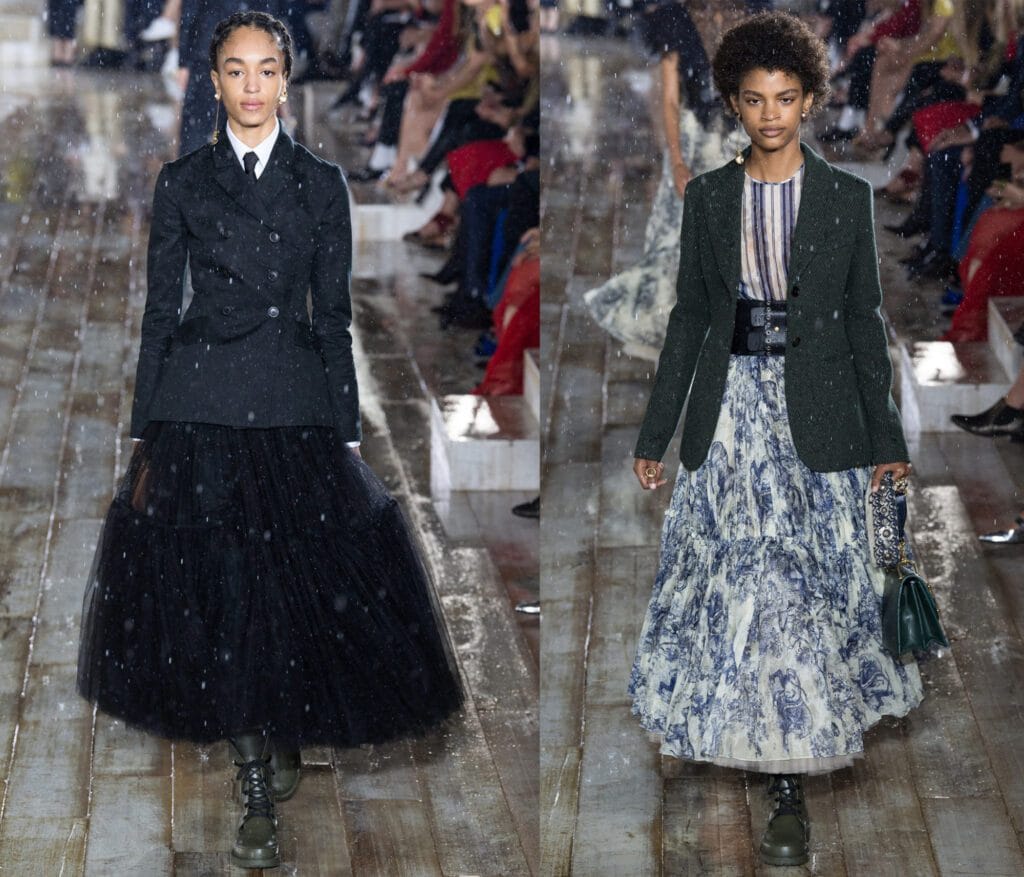
In 2025, we’ll see an array of silhouettes from multi-layered tutus to sheer column skirts, and these items will be a fun way to add a touch of softness and formality to something that’s a bit more stiff and casual.
Acid Wash
The heyday of acid wash denim was the 1980s, with the trend initially taking off within the punk community who began dousing their jeans in diluted bleach to create an artificially lived-in look that emphasized their working-class background and highlighted their non-conformist mindset.
The DIY nature of this trend made it easily replicable, even by those who weren’t in the punk scene, and acid wash jeans were soon being worn by everyone from preps to rock stars. Denim companies quickly took note, with brands like Guess and Levi Strauss selling pre-washed jeans, ironically turning a symbol of anti-consumerism into a product of it.
The style died out in the ’90s but made a resurgence in the late 2000s and early 2010s as part of that era’s ’80s revival, with acid wash making an appearance on skinny jeans, skater skirts, and crop tops. If acid wash winds up making a return in 2025, we’re likely to see it become just as ubiquitous, but maybe with a wider range of colors to make it less of an everyday staple and more of a statement piece.
Welcome to the Dollhouse
Fashion is often used as a form of escapism, and with the current state of the world being stressful to say the least, I think clothing is going to get a lot more fun as a way of going back to better days when you didn’t have to worry about taxes or grocery bills. A lot of people are going to be embracing their inner child through cutesy and kitschy motifs.
The roots of this trend have been around for a while, as evidenced by all the bows, Mary Janes, and Peter Pan collars, but in 2025, people will lean into these juvenile elements even harder. Some of the biggest influences will be the things you played with when you were younger, like Raggedy Ann dolls, Polly Pockets, Legos, teddy bears, or tea sets, resulting in a good deal of color and texture.
Playing with perspective to lean into the toy-like aspects of this trend, we’re going to see a lot of clothing attempt to mimic the look and feel of a dollhouse by exaggerating different shapes and silhouettes. Think oversized buttons, color blocking, and thick lines, all of which will create a cartoonish effect that will make you look like a toy come to life.
Animal Motifs
As everyone knows, kids love animals, and in 2025, it’s going to be like kindergarten all over again with everyone being covered in their favorite friendly creature. The sky is the limit when it comes to these animal motifs, and everything from birds to fish to horses to dinosaurs will start to appear on clothing. I’m partial to sheep myself.
Harlequin Print
A normal clown is associated with polka dots, but if you want to go in a high-fashion direction, then you’ve got to take inspiration from a harlequin – a popular archetype in 16th-century Italian theater. Harlequins were mischievous clowns who were often depicted wearing a costume made up of contrasting diamond shapes.
The pattern has made appearances in fashion on numerous occasions, often with other clown-like elements alongside it, and while pairing it with other popular trends of the 2020s could easily push into costume territory, I do think you can dress it down pretty easily.
Baby Doll Nightgowns
Baby doll dresses have been a mainstream trend for several years now, but thanks to Sabrina Carpenter, it’s looking like the retro-style sleepwear is going to make its way out of the bedroom and onto the streets.
The loose-fitting nightgown style was first popularized in the 1940s because of fabric rationing during World War II, where they were subsequently referred to as “baby dolls” because of their resemblance to the clothing worn by children and their similarly dressed toys.
In the late 1950s, Balenciaga reinterpreted the style for daywear, and by the 1960s, the baby doll silhouette had come to define the era’s mod look, with the loose fit encapsulating how women’s roles had evolved since the 1950s, which had prioritized a more rigid hourglass shape.
In the 1960s, baby doll dresses were just as popular in the day-to-day as they were at night, and pajamas of the time period would often pair baby dolls with capes and bloomers. As you know, bloomers have become massively popular in the last few years, so it makes sense that one of their earliest fashion companions would make a comeback as well.
I’ll probably still associate the sheer look with bedtime, but with baby dolls having the potential to be just as sweet as they are sexy, maybe that versatility will help them make the transition into the mainstream.
Vinyl
Partially inspired by the shiny sheen of toy packaging and the raincoats that children often sport, we’re going to be seeing vinyl return in a big way this year. While there might be the occasional shoe or purse, I suspect that the most popular vinyl items will be coats, as the clear plastic material allows you to show off your outfit while still protecting it, and depending on their shape, they can be chic or cute.
Quilting
To tie into the overall sense of nostalgia that the doll trend evokes, we’ll be seeing quilted fabric make a return as a sort of ode to baby blankets and comfy couches. Once again, jackets and coats will be the most common example, but I wouldn’t be surprised if some quilted dresses and pants start making the rounds as well.
Granny Sweaters
To tie into this cozy vibe, we’re going to be seeing a lot more knitwear this year, specifically the sort of ugly sweater your grandma might have made for you around the holidays. These sweaters will be more of a novelty and will be an easy way to highlight your personality by featuring your favorite holiday, animals, or foods.
If there’s one trend on this list you should stick to buying secondhand, it’s this one, because trust me, there are near-infinite options, or if you really want to show off, you could always make one yourself.
Mohair
A type of wool made from the Angora goat, mohair has a unique composition that allows it to be brushed, resulting in its distinctive fuzzy appearance. Mohair is incredibly soft, has excellent insulation, is naturally elastic, and doesn’t wrinkle, making it one of the most expensive and sought-after types of wool in the world.
However, as I’m sure anyone who’s ever been to a thrift store knows, there are a lot of bad mohair products out there. Like just about anything related to clothing, the quality of mohair is dependent on a variety of factors, like the age of the goat or what other fibers it’s been mixed with.
Acrylic is one of the most popular synthetic mohair blends but has a tendency to make the final product stiff and itchy, defeating the entire purpose. So if you happen to be in the market for mohair, I’d highly recommend looking for something blended with silk, cashmere, or another natural fiber, and once again, they’re all over the secondhand market, in large part because they were such a staple of the 1980s. Are you seeing a pattern yet?
Deer Print
I’m hesitant to even include this because I can already tell that it’s going to be such a short-lived microtrend, and the less people who participate in that sort of thing, the better, but for the sake of fairness, let’s talk about it. Like a lot of things, the public’s perception of different animal prints in fashion is dependent on the reputation of the animal itself. For instance, cheetahs are thought of as fierce and wild beasts, and their print has developed similar connotations, being considered sexy as well as tacky.
Deer, on the other hand, are characterized as sweet and shy, which is pretty ironic because if you’ve ever lived near them, then you know they’re absolute menaces. With there being an overall increase in demure fashion motifs, deer print is sure to be adopted by the same group of people who listen to nothing but Lana Del Rey and insist that “My Year of Rest and Relaxation” is the greatest book ever written.
Modern Medieval
In the last few years, we’ve seen both the Regency and Rococo eras influence different aspects of pop culture, and in 2025, I think we’ll be going even further into the past to the Middle Ages, to be exact. While they had their fair share of hardships, the time period has long been romanticized, conjuring images of noble knights in shining armor, unicorns prancing through enchanted forests, and fire-breathing dragons guarding ancient treasure.
As another form of escapism, we might see the more fantastical elements of the medieval period make their way into the mainstream, with rich jewel tones in velvet and brocade fabrics, as well as old-school ornamentation like beadwork and embroidery.
Elaborate Hairstyles
During the Middle Ages, unmarried girls wore their hair loose and uncovered as a symbol of their youthfulness, whereas married women wore their hair up in braids and with a head covering to highlight their respectability and marital status. This practice continued well into the Renaissance period, and in both cases, people with more wealth and therefore more expendable time and resources had more intricate hairstyles and hair accessories.
Because of modern art, both the Renaissance and the medieval period are associated with hairstyles that were probably a good deal more fanciful than they were in real life, but regardless, they’ll continue to influence people in 2025. Picture long, luscious locks, braided masterpieces, jeweled hair nets, and dainty circlets, but who will be brave enough to bring back the henin?
Shining Armor
As part of this ancient inspiration, we’re going to see a lot more metal adornments in an attempt to mimic a suit of armor. There will be chest plates, chainmail, headpieces, hair cuffs, studded wristbands, jointed rings, and stacked belts, creating a look that says “stay away.”
Cloaks, Capes, and Ponchos
Although they’re often used interchangeably, there are some pretty important differences between all these different types of outerwear. Cloaks are the oldest of the bunch, being worn by the likes of the ancient Greeks, Aztecs, and ancient Chinese. The reason for this is pretty obvious, as cloaks are fairly simple in their construction, being a loose piece of fabric of varying lengths that’s fastened in the front. They could be hooded or not, and embellishments would vary. In numerous religions, high-ranking officials are prone to wearing a form of cloak, which as a result has given the article of clothing a more formal and fantastical association.
A cape is a type of cloak, but it’s always short, draped over the shoulders, and fastened only around the neck. Ponchos originate from Mexico and South America and, unlike cloaks, were made out of a square fabric with a single hole for the head, allowing it to drape over the wearer’s entire body. Often worn to protect one from the elements, they were created for function, not fashion.
Steven, be careful. Poncho.
In 2025, we’re going to see the return of all three, but ponchos are likely the most versatile of the bunch, easily making the transition from cold weather to warm.
Grecian Goddess
Tunics are one of the oldest forms of clothing, being worn in ancient times regardless of gender or background, and they could be considered one of fashion’s greatest unifiers. However, the rich and powerful didn’t like the idea of their lessers looking just like them, and they quickly found ways to make clothing an indication of one’s status and wealth.
While this has been the case for a millennium, due to the prevalence of knockoff culture in the 2020s, the visual cues between the rich and poor have become more and more difficult to identify – just look at the Walmart Birkin.
As a result, I think people are going to seek out more ways to subtly highlight their wealth, with the construction and quality of a garment being of greater importance. Fast fashion brands cut a lot of corners in order to keep costs low, often using cheap materials and using the least amount of fabric they possibly can.
With this in mind, the quiet luxury crowd might start wearing clothing that includes a lot of draping and pleating, with the sheer amount of fabric showing off their means. Ironically, this will bring them back to the tunics and togas of old, which have since developed a more regal connotation, in large part because depictions of the style in the media are reserved for goddesses and queens.
To tie into this goddess vibe, gladiator sandals might also make a return this year, meaning we’re getting closer and closer to a full-blown 2010s festival fashion revival.
Retro Sportswear
All you ever hear people talk about nowadays is inflation, and for good reason – because why did I spend $50 on a single cocktail and a burger the other day? With restaurants and bars going from a form of relaxation to a reminder of credit card debt, I have a feeling that people are going to gravitate towards activities that feel more worthwhile, namely sports.
This isn’t the first time there’s been a nationwide athleticism craze, because yes, everything really does have a trend cycle. In the 1960s, everyone was crazy about biking; in the 1970s, it was jogging; in the 1980s, it was aerobics; and in the 1990s, it was yoga. Now everyone’s picking up pickleball, going roller skating, taking adult ballet, or joining a run club.
For most of the 21st century, sportswear has been incredibly casual, with yoga pants and sports bras transcending the gym and being worn at the grocery store. But with many of these new activities being team-based instead of a solo endeavor like the average trip to the gym, we might see people start to dress for the occasion.
This will, of course, trickle into mainstream fashion, and ringers, polos, jerseys, and track pants will grow increasingly popular.