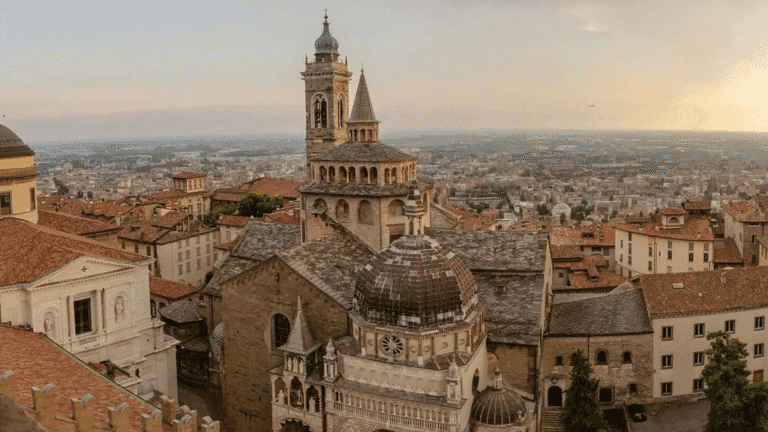
I’ll never forget my disaster in Rome. Twenty-three years old, clutching a guidebook like my life depended on it, trying to see everything in four days. By noon on day two, I was crying in front of the Colosseum – not from its beauty, but from pure exhaustion.
That’s when Marco, a street vendor, handed me a tissue and said in broken English, “Lady, Rome is not going anywhere. Sit.” We ended up talking for two hours about his family’s pizza recipe and why Americans always seem so stressed. Best afternoon of my entire trip.
Modern travelers are finally catching on to what Marco knew all along: the magic happens when you stop rushing and start connecting.
Why Your Brain Craves Real Adventures
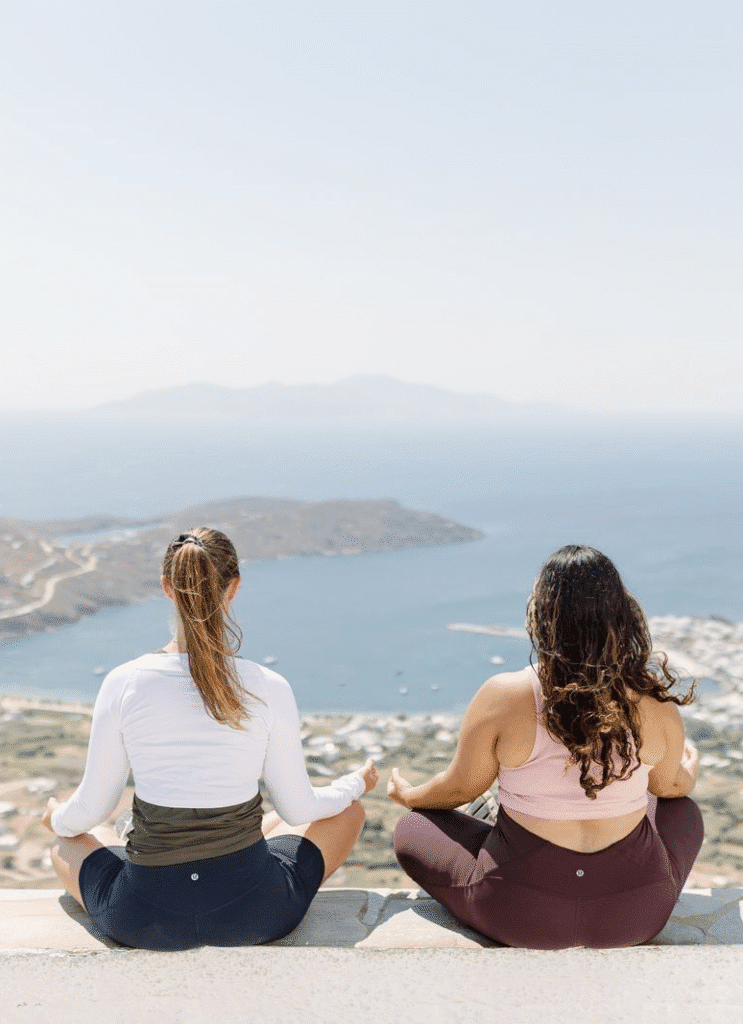
Ever notice how vacation photos make you restless? There’s science behind that itch. Our brains literally rewire when we encounter new cultures. Last year, neuroscientists found that people who travel mindfully show increased creativity and problem-solving skills months later.
My friend Jake, an accountant from Minneapolis, swears his three weeks in Vietnam made him better at his job. “Learning to navigate Saigon traffic taught me to think ten moves ahead,” he laughs. “Now spreadsheet problems feel easy.”
When you struggle to order dinner in broken Portuguese or figure out Prague’s tram system, you’re not just surviving – you’re building mental flexibility that serves you everywhere.
Finding Authentic Connections
Forget the five-star TripAdvisor spots. Real cultural magic happens in unexpected places – like when your train breaks down and locals invite you to wait at their kitchen table.
Emma learned this in rural Portugal when her rental car died. Instead of panicking, she accepted help from Manuel, a local farmer. Three hours later, her kids were playing football with his grandchildren while she learned bread-making from his wife, Maria.
“That breakdown cost us €300,” Emma told me, “but my daughter still video-calls Maria to practice Portuguese. Worth every penny.”
Shop where locals shop. Eat where construction workers grab lunch. Take buses instead of taxis sometimes. Yes, it’s messier, but convenience rarely creates memories.
Why Your Choices Actually Matter
I used to think tourist money was just tourist money. Then I saw how Airbnb was pricing families out of Lisbon neighborhoods while local guesthouses sat empty. The family-run place might have quirky plumbing, but the grandmother cooking your breakfast learned those recipes from her grandmother.
Environmental stuff matters too, but not how you’d expect. Sometimes flying direct and staying two weeks beats multiple short trips. Sometimes the train arrives with better stories than budget airlines and their stale sandwiches.
Choose businesses where you can see locals working, eating, shopping. They’ll give you recommendations no guidebook includes.
The Art of Slowing Down
Americans especially struggle with this. We optimize vacations like business meetings, cramming attractions like we’re earning points.
Jake discovered slow travel accidentally during Italian train strikes. Stuck in a tiny Tuscan town for three extra days, he initially freaked about missing planned stops. By day three, he was helping with grape harvest at a local vineyard. Still calls it his best trip ever.
Longer stays mean better prices, local market shopping, and time to develop routines that make you feel less like an obvious tourist. Plus, you stop exhausting yourself and start actually enjoying places.
Smart Planning Without Over-Planning
My sister once created a minute-by-minute Rome itinerary and missed the amazing street festival happening outside our hotel. Balance is everything.
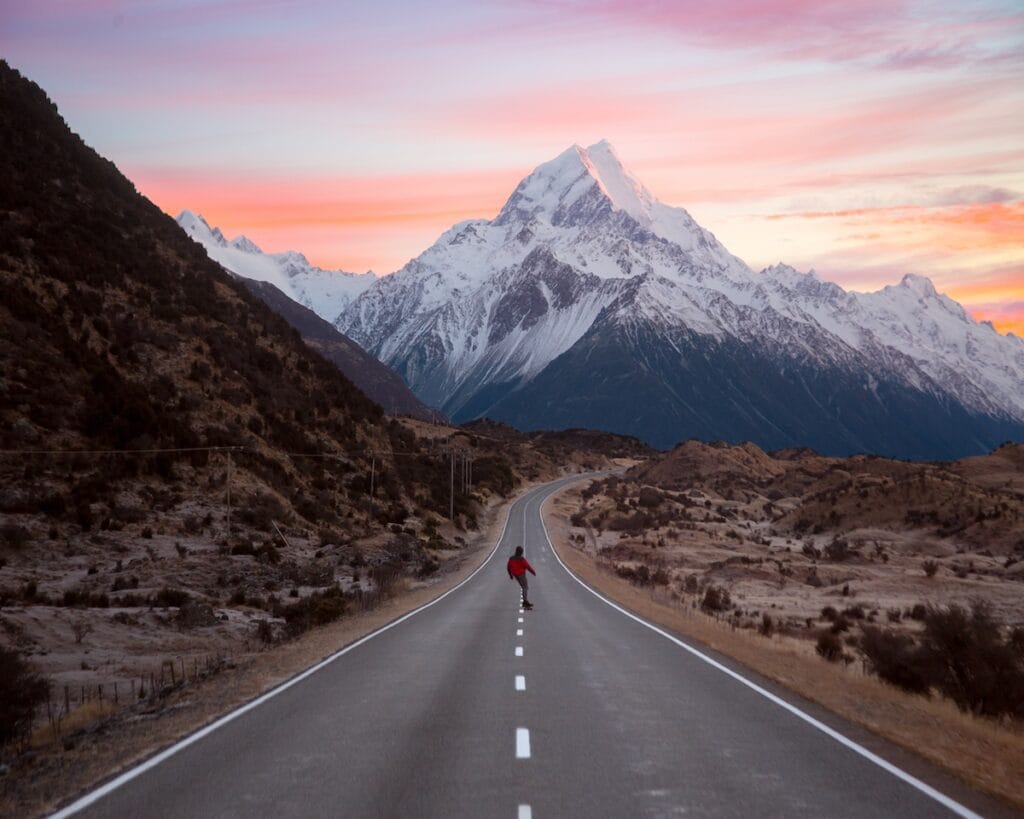
Research the big stuff: safety, transportation, basic cultural norms. Then leave space for serendipity. Build budget cushions for spontaneous experiences – that cooking class someone recommends, the boat trip that looks perfect, handmade pottery that captures your journey.
Download offline maps and translation apps, but don’t let your phone replace human interaction. Some of my best discoveries came from getting lost and asking for directions.
Creating Transformative Moments
These can’t be scheduled, but they can be invited. They happen when you’re slightly uncomfortable and completely present.
David, a Seattle software guy, joined a Moroccan family celebration despite speaking zero Arabic. “Two hours of understanding nothing but feeling completely welcome,” he said. “Changed how I think about hospitality forever.”
Keep a travel journal – even phone notes work. Write how places made you feel, what surprised you, what challenged your assumptions. These become treasures later.
Building Cultural Bridges
Real exchange goes both ways. Bring something to share – photos of your hometown, teach someone English phrases, share a skill. Language barriers dissolve with humor and patience.
My friend Maria speaks five languages. Her secret? “Don’t try to be perfect. Try to be understood.” Smile lots, draw pictures, use apps as conversation starters.
Ask questions about everything: Why dinner so late here? What’s that building’s story? How did this festival start? Curiosity shows respect and unlocks stories you’d never hear otherwise.
How Travel Changes You Back Home
The real magic happens after you return. Navigating foreign subway systems makes job interviews feel manageable. Understanding different approaches to time and relationships makes you better at diverse workplaces.
Sarah credits her Southeast Asia sabbatical with landing her dream marketing job. “Negotiating with Bangkok street vendors made boardroom negotiations feel easy,” she laughed.
These aren’t just nice side effects – they’re valuable skills that compound over time.
Regional Strategies
Europe spoils you with trains and proximity. Breakfast in France, dinner in Italy. But easy movement can mean surface-level experiences. Slow down enough to appreciate what makes Venetians different from Romans.
North America requires different strategies. Distances demand road trips that become cultural immersion. Small towns reveal identity that big cities hide. Regional differences within countries rival international variations elsewhere.
Preserving Your Journey
Photos capture what places looked like. Memories need intentional preservation. Write about feelings, lessons, challenges to assumptions. These emotional records become more valuable than souvenirs.
Document unique details: shopkeeper expressions, unfamiliar textures, views from budget hotel rooms. These tell your story, not destination marketing. Collect meaningful objects – smooth stones from decision beaches, pressed flowers from conversation gardens, local spices that trigger specific memories. Nearly free but enormously significant.
Taking Care of Yourself
Extended travel tests your body in ways daily life doesn’t. Balance food adventures with familiar nutrition. Find local fruits and vegetables. Choose street vendors with high turnover and local customers.
Pack resistance bands or commit to hotel room stretching. Swimming, hiking, even local dancing provides exercise that doubles as cultural experience.
Invest in good earplugs and eye masks. Honor your sleep needs rather than pushing through exhaustion that ruins experiences.
The Bigger Picture
Thoughtful travel creates positive ripples. Communities benefit from respectful visitors who support local economies without overwhelming resources. You return with expanded perspectives and stories that inspire others to travel mindfully. Most importantly, you contribute to a world where cultural exchange builds understanding rather than division. Personal connections remind us of common humanity when politics emphasize differences.
Travel memories and skills compound over time, influencing decisions years later. This isn’t just vacation – it’s an investment in becoming more interesting, capable, and understanding. That’s the real transformation not just new experiences, but a new version of yourself.