Well, here’s something that’s got the travel world talking. Emirates just dropped a bombshell that’s causing quite the stir among frequent flyers and families alike. Starting August 15, 2025, the Dubai-based airline quietly updated their policy – kids eight and under can no longer use Skywards Miles to book or upgrade to First Class.
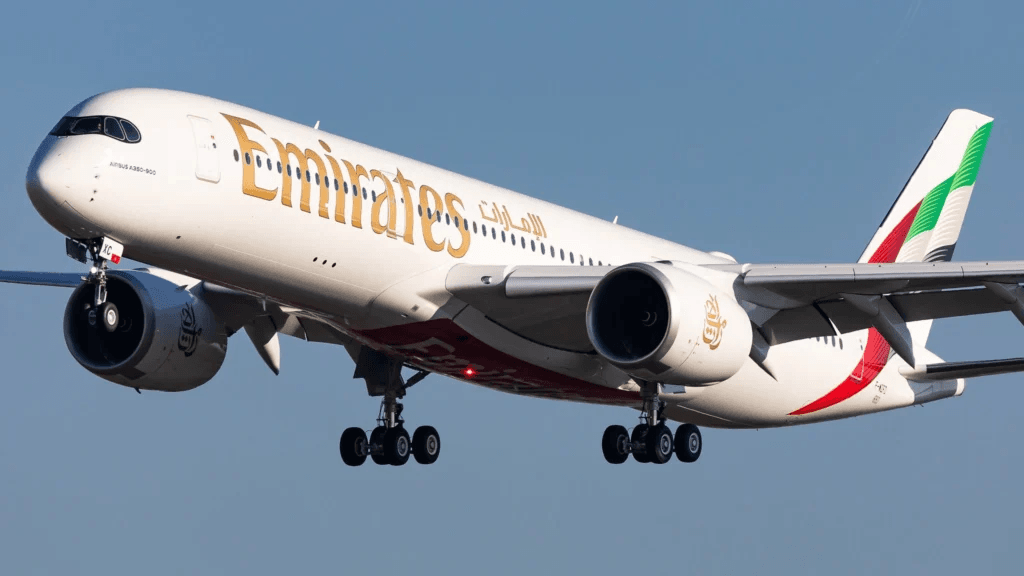
But here’s where it gets interesting (and frankly, a bit weird). Got cash? No problem – your little ones are still welcome in that luxe cabin. It’s only when you’re trying to use miles that this controversial rule kicks in. The policy specifically targets miles redemptions while leaving cash bookings untouched, creating what many see as a two-tier system that favors wealthy travelers over loyal frequent flyers.
The Devil’s in the Details
Let’s break this down because the specifics matter. According to Emirates’ Skywards program terms and conditions, children 8 and under can no longer fly first class when booking Emirates first class Classic Rewards or Upgrade Reward redemptions. The terms and conditions now clearly state: “Please note that passengers aged 8 years old and below are ineligible for First Class Emirates Classic Rewards and Upgrade Rewards.”
This huge change affects the airline’s Skysurfers programme too – that’s their loyalty scheme for kids aged two to 17. Parents who’ve been diligently earning miles through family travel are suddenly finding themselves locked out of premium cabins when trying to book tickets for their young kids. Meanwhile, if you’ve got deep pockets and can afford to pay cash, your toddler gets the same quiet, lovely experience that miles members are now denied.
Why This Has Everyone So Fired Up
The online reaction has been… intense. Travel forums, social media – you name it, people are talking about this everywhere. What’s really got folks confused is why Emirates didn’t just make this a blanket policy for all bookings. Instead, they’ve created this strange system where your payment method determines whether your child can fly in first class.
“The only controversial part of this is only applying this to the miles redemptions,” one frequent flyer wrote on a popular travel blog. “Not allowing kids in the first class is absolutely logical, and all airlines should have such policy, but when an airline only does it in instances where it doesn’t hurt their bottom line, it becomes clear that customer experience is not the reason why they do it.”
That comment pretty much sums up why this policy has sparked such a heated discussion. It’s not really about creating a better environment for premium passengers – it’s about protecting revenue.
The Parents Are Not Happy
You can imagine how well this went over with families who’ve been loyal Emirates customers for years. The immediate frustration in the comments sections tells the whole story. Parents who’ve been saving up miles for that dream family trip to Dubai or beyond are suddenly being told their kids aren’t welcome unless they fork over thousands in cash.
“Some of you might want to stop your celebratory dance,” one parent fired back at supporters of the policy. “I can promise you those of us who can afford to fly our kids in business class aren’t just using miles to book our tickets. My toddler will see you on your next flight.”
And honestly? They’ve got a point. Wealthy families who were paying cash before will continue to do so. This policy primarily impacts middle-class families who use miles strategically to give their kids premium travel experiences they couldn’t otherwise afford.
The Other Side of the Coin
Now, before we get too worked up defending family rights, let’s be real about something. Anyone who’s ever been on a long-haul flight with a screaming child nearby knows it can be pretty miserable. First class passengers pay serious money – sometimes tens of thousands of dollars – for a relaxing, comfortable flight experience.
“I do not want to have my first class experience ruined by the noise of a small child,” wrote one traveler. “I paid money for a quiet, lovely experience.” These pointy end flyers who agreed with the policy aren’t necessarily being heartless – they’re just frustrated with crying, loud disruptions during what should be their premium travel time.
The thing is, parents get this too. Nobody wants their kid to be the one bothering other passengers on a plane. It’s incredibly stressful for families when their children are upset during flights. One mum put it perfectly: “People can be so awful toward families. I promise you, the last thing I want is for my child to be crying, loud, or bothering anyone on a plane. It’s actually incredibly stressful for us, too.”
What Other Airlines Are Doing
Emirates isn’t the first carrier to try addressing this issue, though their approach is definitely unique. Other airlines have been experimenting with different solutions that don’t involve discriminatory booking policies.
Turkish-Dutch carrier Corendon Airlines created an “Only Adult zone” on their Airbus A350 jets – specifically for that brutal 10 hour flight between Amsterdam and Curaçao. It’s located in the front area of the plane and is only accessible to passengers who are 16 years and up. The genius part? They physically separated the sections, so both you and the happy kids stay happy travellers.
Scoot went with something similar – their “ScootinSilence cabin” in the forward section of Boeing 787 aircraft. It’s exclusively for passengers aged 12 and above, offering enhanced comfort with generous legroom (they boast a seat pitch of 33-34 inches on the 787-9) and adjustable headrests. Not a bad compromise.
Even AirAsia X jumped on this trend with their Quiet Zone for guests aged 10 years and above on selected flights with Airbus A330 aircraft. These zones are designed for passengers seeking a more serene flying experience with minimal noise.
The Tech Solution That Actually Works
Here’s where it gets interesting – Japan Airlines figured out a way to handle this without creating controversial policies back in 2019. They introduced this brilliant booking system that shows where babies are seated on flights. It’s called a “baby map” and when travellers book through the airline website, they can see seats that have been claimed by passengers aged up to two years old – those seats get a child icon displayed.
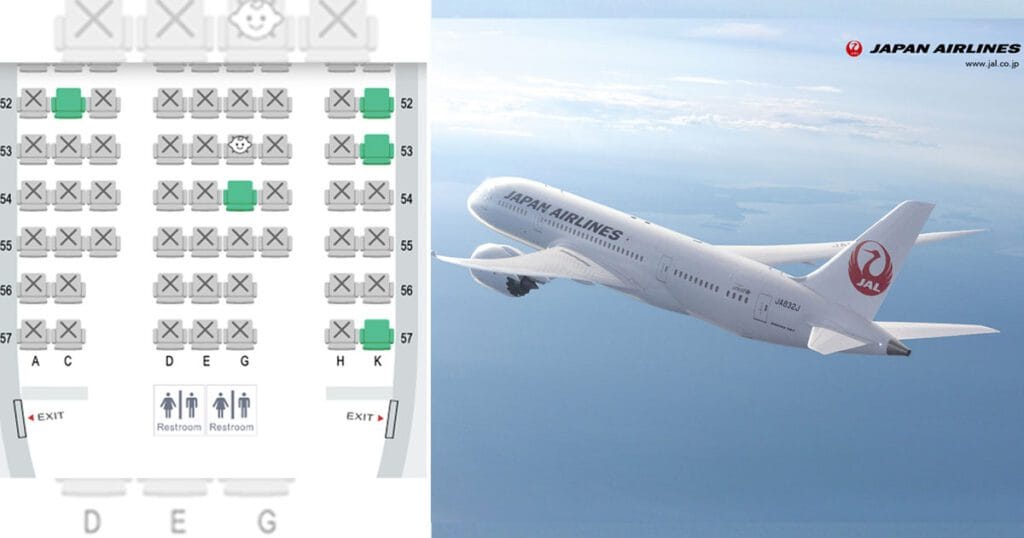
Simple, transparent, and it lets everyone make informed choices without creating discrimination based on how you pay. Want to sit near families? Go for it. Prefer a quiet section? You can see exactly where to book. No fuss, no controversial restrictions, just information that helps everyone plan better.
The Real Problem with Emirates’ Approach
The fundamental issue here isn’t whether kids should or shouldn’t be in first class. Reasonable people can disagree on that. The problem is creating different rules based on payment method. This ban does not apply to children on revenue (“paid”) tickets. That’s quite a curious distinction, as one industry observer noted.
It’s hard to see this as anything other than a revenue protection move. Emirates wants to encourage cash bookings while making award tickets less attractive. They’re not really trying to improve the customer experience – if they were, the policy would apply to all bookings, not just miles redemptions.
Looking at the Bigger Picture
This change reshapes how families can use Skywards points and underscores the airline’s intent to balance exclusivity with revenue priorities. What we’re really seeing here is airlines trying to have their cake and eat it too – they want the loyalty and engagement that comes with families participating in their miles programs, but they also want to protect their most profitable cabins from anything that might reduce demand from high-paying cash customers.
The travel industry has been grappling with this tension for years. Airlines need families as customers – they represent huge long-term value and often generate significant miles through credit card spending and frequent travel. But they also need to keep their premium products appealing to business travelers and affluent leisure passengers who pay top dollar.
What This Means for Families
If you’re a family that flies Emirates regularly, this policy essentially forces you into a difficult choice. You can either pay significantly more for first class tickets with cash, or accept that your premium cabin access through miles is now limited to business class until your kids turn nine.
For families who were strategically using miles for special occasion travel – maybe that once-in-a-lifetime trip to Dubai or a family visit to relatives in Asia – this represents a real loss of value. Those miles just became significantly less useful for family travel.
The Industry Response
Other carriers are watching this experiment closely. If Emirates sees strong revenue results from this policy without losing significant customer loyalty, don’t be surprised to see similar moves from other premium airlines. The aviation industry loves to copy successful strategies, especially when they protect high-margin products.
But there’s also the risk of backlash. The change directly impacts the airline’s Skywards Skysurfers programme, which caters to members between the ages of two and 17. Alienating family travelers could have long-term consequences for Emirates’ loyalty program engagement.
Where Do We Go From Here?
This whole situation highlights a broader question about PUBLIC transportation and premium services. Should airlines be able to restrict access to their products based on age? And if so, shouldn’t those restrictions apply consistently regardless of payment method?
The heated discussion this policy has ignited suggests there’s no easy answer. Some passengers absolutely believe that premium cabins should be adult-only environments. Others argue that children have equal rights to access PUBLIC transport services their families pay for.
What’s certain is that Emirates has opened a can of worms that won’t be easily closed. This controversial rule will likely influence how other airlines approach similar policies in the future, and it’s definitely changed the conversation about what’s acceptable in aviation customer service.
The Dubai-based airline may have solved one problem – protecting their first class product from perceived disruption – but they’ve created another: a policy that many see as unfair and discriminatory. Only time will tell whether this bold move pays off or becomes a cautionary tale for the industry.