Tesla’s AI chief Ashok Elluswamy pulled no punches during an all-hands meeting last month. He told staff straight up: 2026 will be the “hardest year” they’ve ever experienced at work. The vice president running AI software gathered employees from Tesla’s Autopilot and Optimus teams to deliver a message that left many stunned—get ready for relentless pressure as Elon Musk’s pay package literally hinges on whether robotaxi service expansion and humanoid robot production actually happen on aggressive timelines the company has set.
Why This Year Matters More Than Any Other
Ashok Elluswamy didn’t sugarcoat things. Insiders who attended the nearly two-hour meeting say staffers were told to expect work at an intensity level beyond anything they’ve seen before. One person familiar with the situation called it a straight-up “rallying cry”—the kind of speech you give when everyone needs to understand what’s at stake. Leaders from across the AI division took turns speaking, laying out exactly what needs to happen and when.
Here’s what makes this particularly interesting: 2026 isn’t just another year on the calendar for Tesla. It’s become a test that will determine whether the automaker can actually deliver on Elon Musk’s biggest bets. Workers heard specific targets for both Optimus production and the Robotaxi service. These two divisions sit at the center of everything Musk has been promising investors and the public. The executive team made clear—there’s no room for difficult excuses or delays.
Musk’s Master Plan Rides on Robots and Robo-Taxis
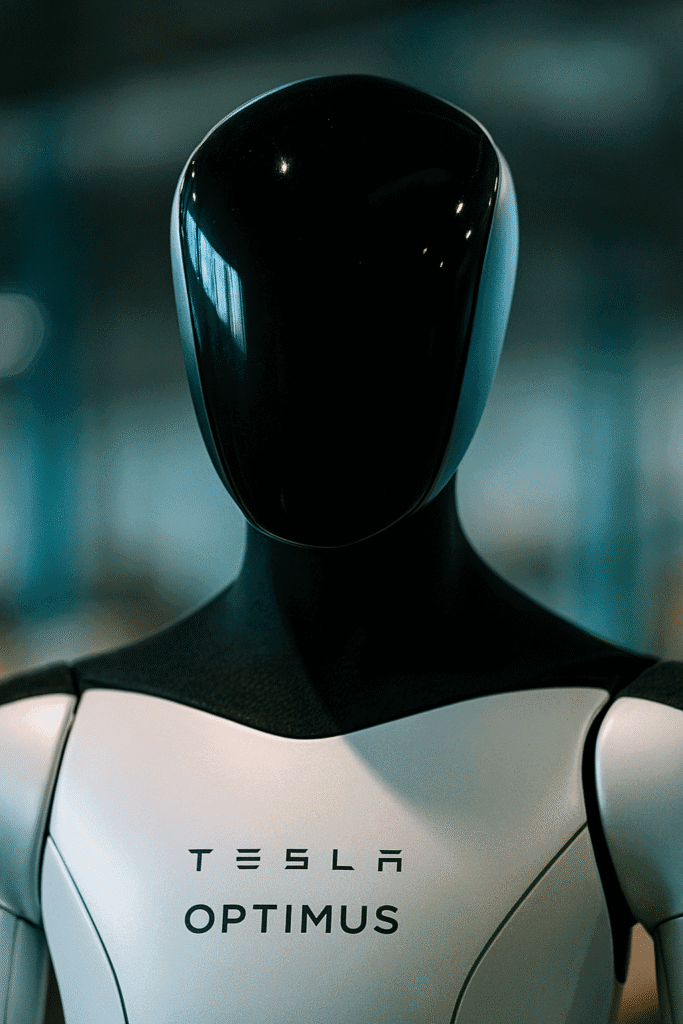
During Tesla’s earnings call in October, Elon Musk laid out plans that sound almost impossible. He wants to operate the Robotaxi service in eight to 10 metropolitan areas by the end of 2025. That’s not some vague future goal—that’s next year. The CEO also said he aims to get more than a thousand ride-hailing vehicles on the road by year’s end. Then there’s the Optimus bot, which should start production toward late 2026.
But Musk knows it won’t be easy. He acknowledged the ramp will take serious time to hit an annualized rate of 1 million units. “It’s going to move as fast as the slowest, dumbest, least lucky thing out of 10,000 unique items,” he explained. Translation: one small problem anywhere in the supply chain can slow down everything. Shareholders recently approved a pay package for Musk that could make him the world’s first trillionaire—but only if he hits several ambitious milestones. We’re talking about deploying 1 million Robotaxis on public roads and producing 1 million humanoid robots.
An Unusual Deal That Keeps Musk Locked In
Compensation consultants who spoke with Business Insider called Musk’s moonshot pay package pretty unusual for the industry. Most CEO deals don’t hinge entirely on achieving what sounds like science fiction. But that’s exactly the point—these targets are designed to be key in keeping the billionaire focused on Tesla instead of his other ventures. Elon Musk even joked in October that he needed those additional shares because he didn’t feel comfortable building a “robot army” without having “strong influence” over the company.
The set of goals reflects just how aggressive Tesla’s vision has become. A spokesperson for Tesla didn’t respond to our request for comment about Elluswamy’s remarks or the specific timelines discussed. At time of the meeting, workers understood one thing clearly: this isn’t optional. The company’s entire future direction depends on these AI teams delivering results that most people think are years away from being realistic.
Inside the Elite Autopilot Operation
Tesla’s Autopilot team operates differently than most divisions at the company. They work out of the same office space as the Optimus team, and the group has long been treated as one of the highest-priority programs. The team stays largely separate from other engineers—even their organizational chart is kept private, according to what’s been previously reported. These AI teams have a reputation for working longer hours than practically anyone else at Tesla.
Since its inception, the Autopilot group has had weekly meetings with Musk. Workers who’ve been there a while told sources this has been standard practice for years. The CEO blocks out time for regular meetings with the Optimus team every Friday, and Musk said in October that these sessions “sometimes go till midnight.” That hands-on approach shows you exactly where Musk’s attention goes. These aren’t casual check-ins—they’re intensive working sessions where the executive dives into technical details.
A Strategic Shift Following Leadership Changes
Things changed when Ashok Elluswamy assumed a leadership role on the Optimus team earlier this year. The move happened after Optimus vice president Milan Kovac left—a departure that opened the door for new direction. Since taking over, the company has shifted the team’s focus toward a camera-focused approach. If that sounds familiar, it should—it’s similar to how Tesla trains its Full Self-Driving software.
This isn’t just reorganization for the sake of it. Insiders say the strategy makes sense because it lets Tesla apply lessons learned from years of Autopilot development directly to humanoid robots. The Optimus team now operates on a weekly basis with CEO oversight, mirroring the Autopilot structure. Staffers across both groups know they’re working toward targets that will define whether Tesla becomes the robotics leader Musk envisions or just another automaker that overpromised.
What happens as we race toward late 2025 and through 2026? The nation will be watching to see if those Robotaxis actually show up in several metropolitan areas. Workers understand the aggressive timelines mean there’s little margin for error. Every month counts, every production challenge matters, and every technical hurdle needs solving faster than normal industry standards would suggest is possible. The meeting left staff with no illusions—this will test everyone involved in ways they haven’t experienced before.