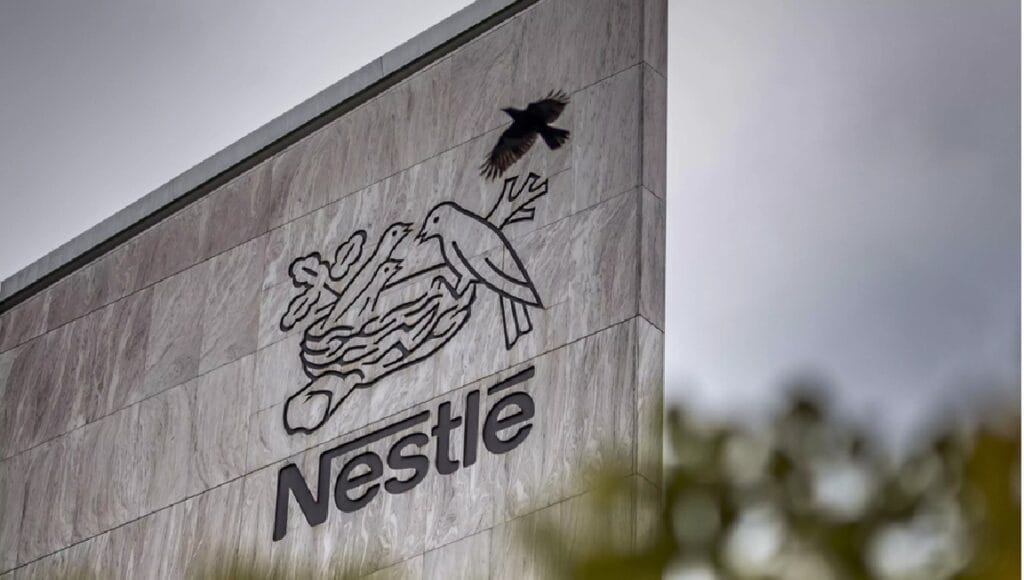
Nestle announced Thursday it will cut 16,000 jobs globally as new CEO Philipp Navratil ignites a major restructuring to reverse the world’s largest packaged food company’s declining performance. The jobs being cut represent 5.8% of Nestle’s around 277,000 employees, part of an efficiency push to win back investor confidence after unprecedented management turmoil and stalling sales growth.
Navratil said the company raised its cost savings target to 3 billion Swiss francs ($3.77 billion) from 2.5 billion francs by the end of 2027. The move comes as food producers grapple with fragile consumer confidence, changing habits as people seek to eat healthily, and mounting pressure from U.S. import tariffs that serve as a headwind despite the bulk of the company’s U.S. sales being manufactured locally.
Unprecedented Leadership Changes Shake Swiss Giant
Nestle has experienced an unprecedented period of managerial turmoil in recent months. Navratil is replacing Laurent Freixe, who was fired in September as chief executive over an undisclosed relationship with a direct report. Weeks later, Chairman Paul Bulcke stepped down early to make way for former Inditex chief Pablo Isla.
The sudden promotion gives Navratil limited breathing space to prove his turnaround fire strategy works. Shares of the Swiss maker of KitKat chocolate bars, Nespresso coffee, and Maggi seasoning leapt by around 8% in early trading as investors responded positively to the aggressive restructuring plans.
The restructuring includes 12,000 white-collar job cuts over the next two years, in addition to a further 4,000 headcount reduction as part of ongoing initiatives in manufacturing and the supply chain. Bernstein analysts wrote in a note that the headcount reduction was a “significant surprise” that “add fuel to the turnaround fire.”
CFO Anna Manz emphasized the company’s focus on streamlining operations across multiple business units. The efficiency push targets both operational costs and organizational structure, as Nestle battles rising debt levels that have climbed significantly, increasing pressure from investors demanding better returns and reversing the share price slide.
Strategic Focus on Growth and Market Share
“We are fostering a culture that embraces a performance mindset, that does not accept losing market share, and where winning is rewarded,” Navratil said. Driving RIG-led growth—real internal growth—is now Nestle’s highest priority, with the company fighting to reverse its recent struggles and arrest further market position erosion.
Quarterly results showed a 1.5% rise in real internal growth (RIG) in the third quarter, well above analysts’ expectations of a 0.3% rise. This measure of sales volumes gives Navratil crucial momentum following his appointment. Organic sales growth—which exclude the impact of currency movement and acquisitions—rose 4.3% in the quarter, above estimates for 3.7% growth.
Strategic reviews of Nestle’s waters and premium beverages business and low-growth, low-margin vitamins and supplements brands are ongoing, the company said. These divisions have become a drag on overall performance, with analysts watching closely to see which assets might be divested as part of the broader transformation.
Quarterly sales growth was driven by pricing-led upticks in coffee and confectionery, but Greater China remains a challenge. Manz said Nestle had been “too focused on driving distribution across China and not enough on building consumer demand.” The company is now correcting that approach, working to consolidate its distribution and make it more efficient while simultaneously strengthening consumer engagement.
The Swiss company maintained its 2025 outlook and leaves 2025 guidance unchanged. Nestle said organic sales growth should improve compared to 2024 and predicted the underlying trading operating profit margin—which excludes certain non-recurrent expenses—at, or above, 16%. For the medium-term, the forecast is at least 17%.
The margin forecasts include the higher U.S. import tariffs on Swiss goods of 39% that came into effect in August. The bulk of the 3 billion Swiss francs in savings is due to come in 2026-27, with 700 million Swiss francs in savings expected in 2025 as a whole. The target reflects Navratil’s commitment to operational transformation across the packaged food company while grappling with multiple market headwinds that continue being challenges for the entire sector.