Ever found yourself standing in front of your fridge on a Wednesday evening, desperately craving something exciting but not quite sure what? You’re not alone! We’ve all been there, caught in that mid week slump where regular meals just don’t cut it anymore. Enter Chicken Manchurian; the superhero of Indo Chinese cuisine that’s here to rescue your taste buds from monotony.
This isn’t just another recipe; it’s a culinary phenomenon that perfectly bridges two incredible food cultures. Chicken Manchurian represents that beautiful marriage between Indian spices and Chinese cooking techniques, creating something entirely unique and utterly delicious. Whether you’re a seasoned home chef or someone who’s just starting to explore beyond basic recipes, this dish is going to become your new best friend.
What Makes Chicken Manchurian So Irresistible?
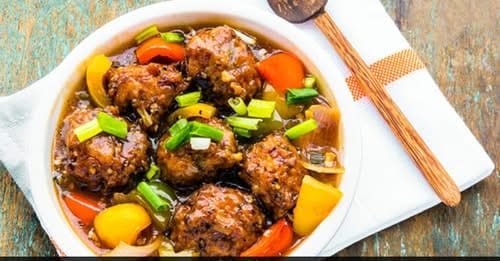
Let’s be honest; what’s not to love? Imagine tender, succulent chicken pieces coated in a crispy exterior, swimming in a glossy, tangy sweet sauce that’s loaded with garlic, ginger, and just the right amount of heat. It’s like a flavor explosion in your mouth, and each bite keeps you coming back for more.
The beauty of Chicken Manchurian lies in its complexity of flavors. You’ve got sweetness from sugar, tanginess from vinegar, umami from soy sauce, and that gentle heat from chilies; all playing together in perfect harmony. It’s comfort food elevated to an art form, and the best part? It’s surprisingly achievable in your own kitchen.
The Origins: How Indian Met Chinese
Here’s a fascinating bit of food history for you. Chicken Manchurian wasn’t born in China, despite what the name might suggest. This dish is actually a proud creation of the Indo-Chinese cuisine movement that started in Kolkata (formerly Calcutta) in the 1970s. A Chinese immigrant named Nelson Wang is credited with inventing this iconic dish when a customer asked him to create something “different.”
The result? A dish that took Chinese cooking techniques; like stir-frying and using a wok; and infused them with Indian sensibilities and spices. It’s fusion food at its finest, and it resonated so deeply with Indian palates that it spread across the country like wildfire. Today, you’ll find Chicken Manchurian on practically every Indo-Chinese restaurant menu, from Mumbai to Delhi and everywhere in between.
Why Chicken Manchurian is Perfect for Mid-Week Meals
Mid week meals need to hit a sweet spot, don’t they? They can’t be too complicated because you’re tired from work, but they also need to be exciting enough to keep you motivated through the rest of the week. Chicken Manchurian checks all these boxes beautifully.
First off, it’s faster than you might think. Once you’ve got your prep done, the actual cooking takes less than 30 minutes. That’s quicker than waiting for delivery! Secondly, it feels special. This isn’t boring grilled chicken or the same old pasta; it’s restaurant quality food that makes you feel like you’re treating yourself. And finally, it’s a crowd-pleaser. Got picky eaters at home? This dish has converted many skeptics into enthusiastic fans.
Understanding the Two Styles: Dry vs. Gravy
Before we dive into cooking, you need to know that Chicken Manchurian comes in two distinct avatars, and choosing between them is like picking your favorite child; nearly impossible!
The Dry Chicken Manchurian
Dry Chicken Manchurian is the appetizer champion. Picture crispy chicken pieces tossed with sautéed onions, peppers, and just enough sauce to coat them beautifully without drowning them. It’s the version you’d typically see on a party platter or as a starter at restaurants. The texture is what makes this version shine; you get that satisfying crunch on the outside while the inside remains juicy and tender.
This style is perfect when you want something to snack on with drinks or as a side dish. The reduced sauce means the flavors are concentrated and intense, clinging to each piece of chicken like a delicious second skin.
The Gravy Version
Now, the gravy version is where things get really interesting. This is your main course hero; generous amounts of glossy, thick sauce that practically demands to be mopped up with fried rice or noodles. The chicken pieces are slightly softer here, having absorbed some of that incredible sauce.
Think of the gravy version as the comfort food variant. It’s saucier, richer, and perfect for those days when you want something that feels like a warm hug on a plate. The extra sauce also makes it ideal for serving over steamed rice or hakka noodles.
Essential Ingredients You’ll Need
Let’s talk about what you’re going to need to pull this off. Don’t worry; most of these ingredients are probably already lurking in your pantry or are easily available at your local grocery store.
For the Chicken Balls
You’ll need boneless chicken (about 500 grams), cut into bite-sized pieces. Then comes the coating magic – cornflour and all-purpose flour work together to create that signature crispy exterior. Eggs help bind everything together, while ginger-garlic paste, soy sauce, and a pinch of salt season the chicken from within. Some recipes include a touch of black pepper or red chili powder here for extra kick.
The key is getting the consistency of your batter just right; thick enough to coat the chicken pieces properly but not so thick that you end up with doughy lumps.
For the Sauce
This is where the magic really happens. You’ll need soy sauce (both regular and dark for that beautiful color), tomato ketchup (yes, really!), chili sauce or chili garlic sauce, white vinegar, and a bit of sugar to balance everything out. Cornflour mixed with water creates the glossy thickness we’re after.
For the aromatics, fresh ginger and garlic are non-negotiable; they’re the backbone of this dish. You’ll also need onions, bell peppers (green, red, or both for color), green chilies, and spring onions. These vegetables aren’t just garnish; they add texture and freshness that cuts through the richness of the sauce.
Step-by-Step Cooking Instructions
Alright, let’s get cooking! I promise this isn’t as intimidating as it might seem. We’re going to break it down into manageable steps.
Preparing the Chicken
Start by cutting your chicken into uniform, bite-sized pieces; roughly 1.5 inches works perfectly. Pat them dry with paper towels because excess moisture is the enemy of crispiness. In a large bowl, mix your chicken with ginger-garlic paste, soy sauce, salt, and pepper. Let this marinate for at least 15 minutes. If you can spare 30 minutes, even better!
When you’re ready to fry, prepare your coating. Mix cornflour, all-purpose flour, and a beaten egg in a bowl until you have a thick, lump-free batter. The consistency should be like thick pancake batter – it should coat the back of a spoon without immediately dripping off.
Coat each chicken piece thoroughly in this batter. Heat oil in a deep pan or wok to about 350°F (180°C); a small piece of batter dropped in should sizzle and rise to the surface immediately. Fry the chicken in batches, ensuring you don’t overcrowd the pan. Each batch should take about 5-7 minutes until golden brown and cooked through. Drain on paper towels and set aside.
Making the Sauce Magic Happen
In a clean wok or large pan, heat about 2 tablespoons of oil over high heat. Add finely chopped ginger and garlic, letting them sizzle for about 30 seconds until fragrant. Be careful not to burn them; burnt garlic is bitter and will ruin your sauce.
Toss in your chopped onions, bell peppers, and green chilies. Stir-fry on high heat for about 2-3 minutes. You want the vegetables to soften slightly but still retain some crunch. This is called “wok hei” in Chinese cooking; that smoky, charred flavor that comes from high-heat cooking.
Now for the sauce components. Add soy sauce, chili sauce, tomato ketchup, vinegar, and sugar. Stir everything together and let it come to a boil. In a small bowl, mix 2 tablespoons of cornflour with 1/4 cup of water until smooth. Pour this slurry into your sauce while stirring continuously. The sauce will thicken almost immediately into that gorgeous, glossy consistency.
Bringing It All Together
For dry Chicken Manchurian, add your fried chicken pieces to the sauce and toss vigorously for about a minute. The idea is to coat each piece without making them soggy. Garnish with spring onions and serve immediately.
For the gravy version, add about a cup of water or chicken stock to your sauce before thickening it. Once it reaches the desired consistency, add your chicken pieces and let them simmer in the sauce for 2-3 minutes. The chicken will absorb some of the sauce flavors, making every bite incredibly flavorful. Garnish generously with spring onions and serve hot.
Pro Tips for Restaurant-Style Results
Want to know the secrets that make restaurant Chicken Manchurian so addictively good? Here they are:
Temperature is everything. Keep your wok or pan smoking hot, especially when stir-frying. This creates that characteristic “wok breath” flavor that separates home cooking from restaurant-style dishes.
Double fry for extra crispiness. Fry your chicken once until just cooked, let it cool for 10 minutes, then fry again at a slightly higher temperature. This technique creates an incredibly crispy exterior that stays crunchy even after tossing in sauce.
Don’t skimp on the ginger and garlic. Use fresh, not powdered, and don’t be shy with the quantities. These aromatics are what give the dish its characteristic punch.
Add a splash of sesame oil right at the end of cooking. Just a teaspoon or two adds an incredible depth of flavor and aroma that’ll make people wonder what your secret ingredient is.
Work quickly once you start. Indo-Chinese cooking is all about high heat and fast cooking. Have all your ingredients prepped and ready before you turn on the stove.
Perfect Pairings: What to Serve Alongside
Chicken Manchurian is versatile, but some pairings are absolutely heavenly. The classic choice is fried rice; whether it’s vegetable, egg, or chicken fried rice, the combination is iconic. The slightly dry texture of fried rice pairs perfectly with the saucy Manchurian.
Hakka noodles are another phenomenal option. Those springy, slightly chewy noodles soaking up that glossy sauce? Pure bliss. If you’re going the dry Manchurian route, consider serving it alongside plain steamed rice or even as an appetizer before a larger meal.
For a complete Indo-Chinese feast, add some spring rolls, vegetable chow mein, or a simple hot and sour soup. And don’t forget the extras – some people love adding fried garlic chips or extra spring onions on top for added texture and flavor.
Common Mistakes to Avoid
Let’s talk about what can go wrong so you can avoid these pitfalls. The biggest mistake? Overcrowding the pan when frying chicken. This drops the oil temperature dramatically, resulting in soggy, oil-soaked chicken instead of crispy golden pieces. Always fry in batches, even if it takes longer.
Another common error is using low heat. Indo-Chinese cooking requires high heat; it’s what creates those beautiful caramelized edges and that slightly charred flavor. If your stove can’t go high enough, consider using a portable induction cooktop or gas burner.
Don’t overwork the chicken once you add it to the sauce. For dry Manchurian, a quick toss is all you need. Longer mixing makes the coating soggy and defeats the purpose of that initial frying.
Finally, avoid making the sauce too thick. It should be glossy and coat the back of a spoon, not be gloopy or paste-like. If you’ve accidentally made it too thick, just add a splash of water or stock to thin it out.
Healthier Alternatives Without Compromising Taste
Craving Chicken Manchurian but watching your calories? There are ways to lighten this dish without losing its soul. Instead of deep-frying, try baking the chicken pieces at 400°F (200°C) until golden and crispy. Spray them lightly with oil and turn them halfway through for even browning.
You can also use chicken breast instead of thigh meat for lower fat content, though I’ll admit thighs are juicier and more flavorful. Another option is to skip the batter altogether and stir-fry marinated chicken pieces until cooked through, then proceed with the sauce.
For the sauce, reduce the amount of sugar or use a natural sweetener like honey. You can also bulk up the vegetables – add more bell peppers, some broccoli, or even mushrooms. This increases the nutritional value and fiber content while still delivering on flavor.