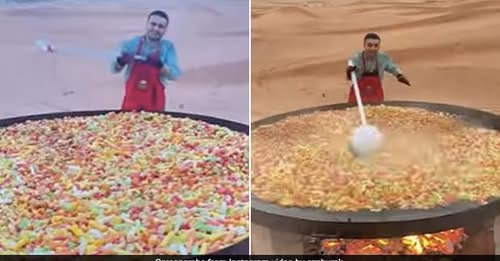
In an era where digital content competes for microseconds of attention, a Turkish chef’s decision to prepare fryums on an enormous skillet in the middle of a desert has achieved what most content creators only dream of—98 million views. This isn’t just another cooking video; it’s a masterclass in visual storytelling, cultural authenticity, and the precise understanding of what makes content shareable in today’s algorithm-driven landscape.
The video showcases a chef working with theatrical precision, manipulating ingredients on a skillet so massive it seems almost absurd. Set against the stark, golden landscape of a desert, every sizzle, flip, and pour becomes hypnotic. But what transforms this from mere spectacle into viral phenomenon? Let’s dissect the ingredients of this digital success story.
Who Is Behind This Culinary Spectacle?
Turkish cooking content has exploded across social media platforms, with chefs who understand that cooking is no longer just about the food—it’s about the experience. While numerous Turkish chefs have gained international recognition for their oversized cooking demonstrations, this particular video represents the pinnacle of the genre. These creators blend traditional Turkish culinary techniques with showmanship that borders on performance art.
The chef in question operates with the confidence of someone who has spent years perfecting not just cooking techniques, but audience engagement. Every movement is deliberate, every angle calculated to maximize visual impact. This isn’t accidental—it’s the result of understanding exactly what modern audiences crave: authenticity delivered with spectacle.
What Makes This Video So Mesmerizing?
There’s something primitively satisfying about watching food prepared at scale. The human brain responds to patterns, repetition, and transformation. When you combine these elements with the unexpected setting of a desert and equipment that seems to defy practical cooking logic, you create a sensory experience that transcends typical cooking content.f
The video taps into multiple psychological triggers simultaneously: the satisfaction of watching skilled craftsmanship, the curiosity about how such an operation functions in an inhospitable environment, and the almost meditative quality of repetitive culinary processes. It’s ASMR meets adventure documentary meets cooking show—a hybrid that proves irresistible to viewers across demographics.
The Art of Desert Cooking: A Cultural Phenomenon
Traditional Cooking Meets Modern Entertainment
Turkish cuisine carries centuries of tradition, with cooking methods passed down through generations. What this chef has accomplished is the preservation of cultural authenticity while packaging it for maximum digital consumption. The fryums being prepared aren’t just snacks; they represent a connection to culinary heritage that resonates with Turkish viewers while fascinating international audiences.
Desert cooking itself has historical precedent in nomadic cultures throughout the Middle East and Central Asia. By choosing this setting, the chef connects his work to a broader narrative of resourcefulness and adaptation. However, the scale and production value transform traditional necessity into contemporary entertainment.
The Psychological Appeal of Giant Food Preparation
Why do we find oversized food preparation so compelling? Psychologists suggest that scale disruption creates cognitive dissonance that demands resolution. When we see familiar objects—a skillet, a spatula, ingredients—blown up to extraordinary proportions, our brains struggle to reconcile the familiar with the unexpected. This tension keeps us watching.
Additionally, there’s the spectacle of abundance. In an increasingly digital world where experiences are often miniaturized to fit smartphone screens, witnessing something genuinely large-scale provides vicarious satisfaction. The chef isn’t just making fryums; he’s creating an experience of plenty that viewers can share.
Breaking Down the Fryum-Making Process
The Massive Skillet: Engineering Marvel or Showmanship?
The centerpiece of this viral sensation is undoubtedly the skillet itself. Constructed from what appears to be commercial-grade steel, heated by multiple burners or an open flame system, this cooking surface represents a significant investment in both equipment and spectacle. But is it practical?
From an engineering perspective, maintaining even heat distribution across such a large surface presents considerable challenges. Metal conducts heat, but at this scale, hot spots and cool zones become inevitable unless the heat source is carefully designed. The chef’s apparent mastery of this equipment suggests extensive experimentation and adaptation.
Temperature Control in Extreme Conditions
Desert environments present unique challenges for cooking. Ambient temperatures can soar above 40°C (104°F), affecting everything from ingredient behavior to the chef’s physical endurance. Oil viscosity changes with heat, dough consistency varies, and evaporation rates accelerate. Managing these variables while maintaining production quality requires genuine expertise.
The video likely represents the culmination of multiple attempts, with the chef having learned through trial and error how to compensate for environmental factors. This isn’t just cooking; it’s applied thermodynamics in one of Earth’s most challenging environments.
The Ingredients and Technique
Fryums, known in various forms across South Asian and Middle Eastern cuisines, typically involve a dough or batter that’s shaped and deep-fried until crispy. The specific recipe employed in this video appears to draw from Turkish traditions, possibly incorporating regional variations that distinguish it from similar snacks.
Watching the chef work reveals refined technique: the consistency of the dough, the timing of each addition to the oil, the temperature management that prevents burning while ensuring crispness. These details might escape casual viewers, but they’re precisely what elevates this from gimmick to genuine culinary demonstration.
Why Desert Settings Amplify the Visual Impact
The Contrast Between Nature and Culinary Craft
The desert serves as more than mere backdrop; it’s an active participant in the video’s narrative. The stark, minimalist landscape creates visual contrast that makes every element of the cooking process stand out. There are no distractions, no competing focal points—just chef, skillet, and sand.
This environmental choice also triggers associations with adventure, survival, and human ingenuity. The implicit question—”Who would cook like this here?”—generates curiosity that keeps viewers engaged. It’s the juxtaposition of refined culinary technique against raw, unforgiving nature that creates dramatic tension.
Cinematography and Production Value
Make no mistake: this video’s success owes as much to its production quality as to its content. Camera angles capture the scale of the operation, close-ups reveal texture and detail, and the overall editing creates a rhythm that matches the cooking process. This isn’t smartphone footage hastily uploaded; it’s carefully produced content designed for maximum impact.
Lighting, color grading, and sound design all contribute to the viewing experience. The sizzle of oil, the scrape of metal utensils, the ambient sounds of the desert environment—these elements combine to create an immersive experience that transcends typical cooking video boundaries.
The Social Media Algorithm Factor
How 98 Million Views Were Achieved
Reaching 98 million views doesn’t happen by accident. It requires understanding platform algorithms, audience psychology, and the mechanics of viral spread. This video likely succeeded through a combination of factors: initial engagement triggering algorithmic promotion, strategic sharing across multiple platforms, and the inherent shareability of unique content.
Platform-Specific Strategies
Different social media platforms reward different content characteristics. YouTube’s algorithm favors watch time and retention. Instagram and TikTok prioritize early engagement rates. Facebook still values shares and comments. A truly viral video performs well across multiple platforms, each amplifying the others’ reach.
The chef or his team likely employed platform-specific optimization: thumbnail selection, title formulation, hashtag strategy, and posting timing all calibrated for maximum visibility. The 98 million views probably represent aggregated performance across multiple platforms rather than a single upload.
Shareability and Emotional Triggers
What makes people hit the share button? Content must trigger specific emotional responses: surprise, delight, curiosity, or the desire to affiliate with something perceived as high-quality or culturally significant. This video delivers on multiple fronts, making it share-worthy across different audience segments.
The “wow factor” of the massive skillet combines with cultural authenticity and genuine skill to create something that viewers want to share. It’s a conversation starter, a demonstration of human capability, and entertainment—all packaged in a digestible format.
Cultural Significance of Turkish Cuisine
Fryums in Turkish Culinary Tradition
While fryums as a term is more commonly associated with South Asian cuisine, similar fried snacks exist throughout Turkish culinary traditions. These preparations represent comfort food, street food culture, and the communal aspects of Turkish eating. By preparing them at this scale, the chef connects individual experience to collective cultural memory.
Turkish cuisine has always emphasized hospitality and abundance. The massive quantity prepared in this video echoes traditional values of generosity and the celebration of food as social glue. Even in the unlikely setting of a desert, these cultural values remain intact and visible.
The Business of Viral Cooking Content
Monetization and Brand Building
Content creators with this level of viral success have multiple revenue streams available. Direct platform monetization through ads represents just one avenue. Sponsorships, brand partnerships, merchandise, and even tourism opportunities (imagine cooking experiences in the desert) become viable once an audience reaches this magnitude.
The chef becomes a brand unto himself—recognizable, associated with quality and spectacle, and capable of commanding premium rates for appearances, endorsements, or collaborations. The 98 million views translate into tangible business value that extends far beyond initial video revenue.
The Rise of Culinary Entertainment Channels
This video exists within a broader trend of cooking content that prioritizes entertainment value alongside educational content. The line between chef and performer has blurred, with successful creators understanding that they’re not just teaching recipes—they’re creating experiences.
Traditional cooking shows followed predictable formats. Modern culinary content creators experiment with locations, scales, and presentation styles that would have seemed absurd a decade ago. This democratization of food media has produced innovative content that challenges our assumptions about what cooking content should be.
Criticisms and Controversies
Environmental Concerns
Not all responses to such viral content are positive. Environmental critics raise valid questions about the sustainability of creating content in fragile desert ecosystems. The fuel required for heating such a massive skillet, potential waste generation, and the impact of production crews on pristine environments deserve consideration.
Responsible content creation should balance entertainment value with environmental stewardship. Whether this particular production took adequate precautions remains unclear, but it highlights the broader issue of how viral content pursuits can sometimes conflict with ecological responsibility.
Authenticity Debates
Some culinary purists question whether such spectacle-driven content truly respects traditional cooking practices or merely exploits them for views. Does preparing fryums on a giant skillet in the desert honor Turkish culinary heritage, or does it reduce it to a gimmick designed for algorithm optimization?
These debates reflect broader tensions within food media between authenticity and accessibility, tradition and innovation. There’s no simple answer, but the conversation itself reveals how seriously audiences take the representation of cultural practices in digital spaces.
The Future of Viral Food Content
As platforms evolve and audience expectations shift, content creators must continually innovate. The success of this video will inevitably spawn imitators, raising the bar for what constitutes novel cooking content. We may see even more extreme locations, larger equipment, or hybrid formats that blend multiple content types.
However, sustainability—both environmental and creative—will determine long-term success. Audiences eventually tire of pure spectacle without substance. The most enduring content creators will be those who maintain the balance between entertainment and authenticity, scale and skill, novelty and respect for tradition.
The Turkish chef’s desert fryum video represents a moment in time when all these elements aligned perfectly. Whether it marks a peak or a stepping stone in culinary content evolution remains to be seen. What’s certain is that 98 million people found something worth watching—and that’s a remarkable achievement in our fractured, attention-deficit digital landscape.