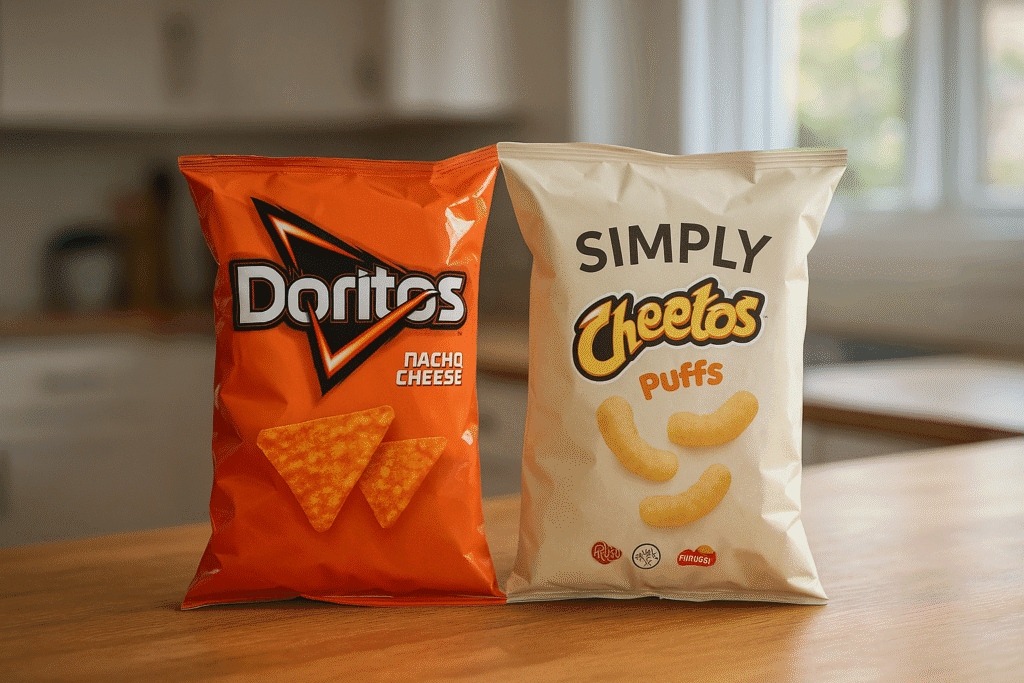
PepsiCo dropped a bombshell Thursday: your favorite orange snacks are getting a makeover. Doritos and Cheetos will hit store shelves without artificial dyes starting Dec. 1, and they won’t look quite the same. The company is rolling out what it calls Simply NKD versions — think pale, almost tortilla chip colored instead of that iconic orange you’ve known since childhood.
This isn’t just about aesthetics. The shift comes after months of pressure from the Trump administration’s “Make America Health Again” commission, which has been pushing food manufacturers to clean up their act. Right now, about 40 percent of PepsiCo’s U.S. products still rely on synthetic dyes, according to internal company data. That number’s about to drop significantly.
The Real Difference Between Old and New Formulas
Here’s what actually changes when you grab a bag of Simply NKD. The new versions ditch more than just color. PepsiCo stripped out flavor-enhancing additives like disodium inosinate and disodium guanylate — compounds you’ll find in the original recipes that make flavors pop. These petroleum-based ingredients have been used for decades, but they’re now on the chopping block.
The ingredient lists got noticeably shorter too. Walk down any grocery aisle and compare labels yourself. Despite losing the bright hue, PepsiCo insists the taste stays intact. They managed this reformulation in just eight weeks, which is lightning fast for the food industry. The chips will have that lighter color naturally, without added anything to make them look different.
What PepsiCo’s CEO Says About the Change
Rachel Ferdinando, who runs PepsiCo Foods in the U.S., put it bluntly: “We’re turning expectations upside down.” Her statement made it clear the company believes you can have your crunch and eat it too, even without those eye-catching artificial colors. The new lineup covers fan favorites — Cool Ranch Doritos and Flamin’ Hot Cheetos included.
What matters to most shoppers: the price stays the same. You’re not paying extra for this reformulation. And if you’re attached to the original bright orange versions, don’t worry. Those will remain available on shelves right next to the dye-free options. PepsiCo has actually sold a Simply brand line since 2002, but those products were never designed to mimic the original chips. This time, they’re promising the same flavor experience.
Why Scientists and Regulators Want These Dyes Gone
The science behind this push isn’t new, but it’s gotten harder to ignore. Research shows synthetic dyes pop up in nearly 1 out of every 5 packaged foods and beverages you buy in America. The levels are particularly high in stuff marketed to kids — think brightly colored cereals, snacks, and candies.
Some research has drawn connections between these dyes and behavioral health issues in children, though scientists debate how strong that link really is. What’s not debatable: products containing synthetic dyes tend to pack much higher sugar content — about 141 percent more on average than items without dyes, according to one study. That’s a staggering difference.
The FDA announced back in January that Red No. 3 — a dye you’ll find in everything from cakes to medications — will be banned from food by 2027. Lab tests showed it can cause cancer in rats. Over in places like Australia, Canada, and across the European Union, they’ve had tighter restrictions on these ingredients for years. America’s finally catching up.
States Are Writing Their Own Rules on Food Dyes
Federal regulators aren’t moving fast enough for some states. Secretary Robert F. Kennedy Jr. at Health and Human Services has been vocal, urging companies to move away from synthetic dyes by next year. But states decided not to wait.
The Environmental Working Group counts nearly 30 states that have either passed laws or are considering bills to restrict artificial dyes and other additives this year. Texas went further — starting in 2027, food makers will need to slap warning labels on anything with artificial dyes. That’s the kind of regulation that makes corporate executives nervous.
Big Food Companies Are Racing to Reformulate
PepsiCo isn’t alone in this scramble. Earlier this month, Kraft Heinz made headlines with its own pledge: all artificial dyes out of U.S. products by the end of 2027. General Mills laid out an even more aggressive timeline for some products.
The cereal giant plans to eliminate synthetic dyes from everything it sells to K-12 schools by summer 2026. Their full U.S. retail portfolio will be dye-free by 2027’s end. Both companies were quick to mention that the majority of what they sell is already made without synthetic colors. That’s corporate speak for “we saw this coming and started years ago.”
This isn’t just about avoiding bad press. With 30 states writing their own rules, food manufacturers face a patchwork of regulations that could get expensive fast. Better to reformulate once nationally than try to maintain different recipes for different markets.
Does Removing Dyes Actually Make Snacks Healthier
Let’s be honest about what dye-free really means for your health. Yes, you’re avoiding petroleum-based chemicals that might affect kids’ behavior. That’s not nothing. The shorter ingredient roster makes it easier to understand what you’re eating. And removing compounds linked to potential health issues is a step forward.
But here’s the reality check: these are still chips. The Simply NKD versions aren’t suddenly healthy food because they’re colorless. They’ve still got plenty of sodium, fat, and calories. Nutrition experts will tell you the same thing they always have — whole, unprocessed foods beat any packaged snack, no matter how clean the label looks.
The real question isn’t whether Cheetos are healthier without dyes. It’s whether this broader industry transition signals something bigger. When major brands like PepsiCo, Kraft Heinz, and General Mills all move in the same direction within months of each other, that tells you where the market’s headed. Consumer pressure works. Regulatory threats work. And the commission behind Make America Health Again might actually be changing what ends up in your shopping cart.