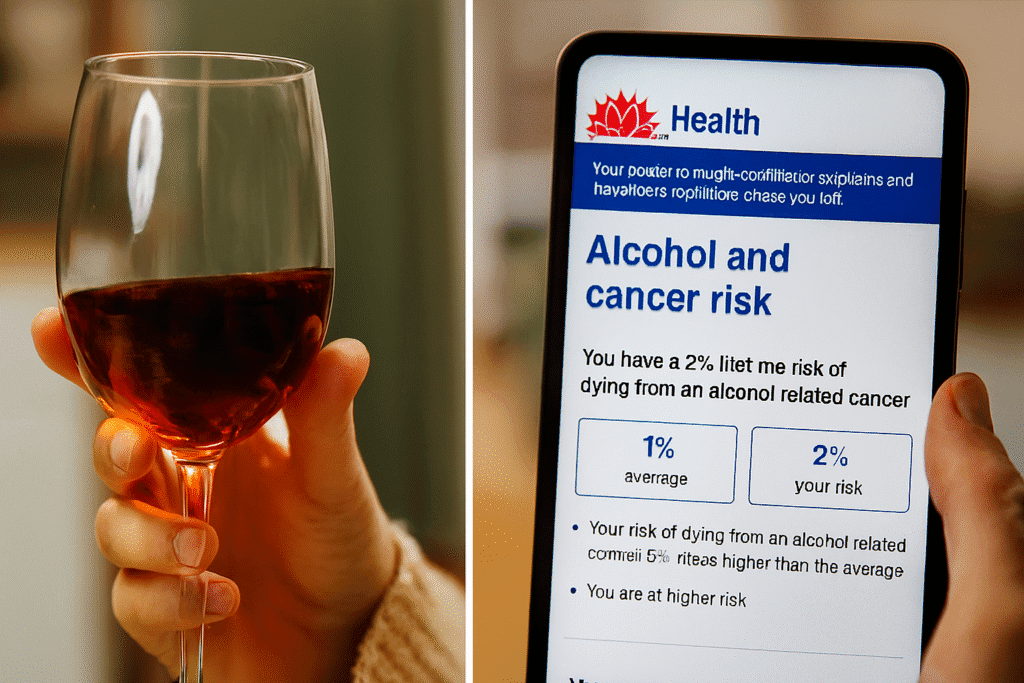
The NSW government has quietly launched something that might make you put down that wine glass. An Australian-first digital tool now lets Aussies see exactly how their weekend drinking habits affect their cancer risk—and honestly, the numbers are brutal. The Alcohol and Cancer Risk tool, developed by Cancer Institute NSW, crunches your age, gender, and alcohol consumption to show your lifetime odds of developing cancer. Takes about three minutes. What you learn might haunt you.
Here’s what nobody talks about at barbecues: one in three adults in NSW are knocking back more than the recommended guidelines suggest. We’re not talking about people stumbling out of pubs at 2am either. These are regular folks who genuinely believe their drinking habits are fine—maybe a couple with dinner, beers on Friday, wine at the weekend. But despite clear evidence showing alcohol is a cancer-causing substance, most of us keep pouring. This new online tool changes everything.
Right, let’s not sugarcoat this. The calculator highlights something doctors have been screaming about for years: there’s a proven link between alcohol and eight types of cancer. We’re talking liver, bowel, mouth, throat, larynx, oesophagus, neck, and female breast cancers. That’s basically your entire digestive system plus breasts.
Cancer Institute NSW worked with the Daffodil Centre—a partnership between the University of Sydney and Cancer Council NSW—using actual research data. When you punch in your information, users get a personalized assessment based on decades of medical evidence showing how cancer risk increases with every drink. Not every bottle. Every. Single. Drink.
Want to know the really grim bit? Ethanol—the main ingredient making you tipsy—sits in the same danger category as asbestos and tobacco. It’s a Group 1 carcinogen, meaning scientists absolutely know it causes cancer in humans. There’s no wiggle room here.
Let’s talk chemistry, but keep it simple. When alcohol gets broken down by your body, something nasty happens. It turns into a toxic chemical called acetaldehyde. This stuff doesn’t mess around—it can damage DNA and trigger cancer growth right at the cellular level. Your liver is literally converting that nice Shiraz into something attacking your cells.
Research shows there’s no safe level of drinking when it comes to cancer risk. Zero. Not even that supposedly “heart-healthy” glass of red everyone bangs on about. That myth’s dead. Among adults over 45, your chance of getting an alcohol-related cancer increases by about 10 per cent for every seven standard drinks consumed per week.
Seven drinks. That’s less than a bottle of wine spread across seven days. If you’re having a glass most nights—which loads of people do—you’re already pushing into risky territory. And it stacks up year after year, which is why this tool targets people aged over 40—when those long-term effects really begin to compound and start showing up in GP offices.
NSW Health Minister Ryan Park said flat out that this new resource exists because too many people are flying blind. The calculator would give people a clearer picture of how even moderate drinking alcohol could impact their health—and let’s be honest, “moderate” means different things to different people.
“This Australian-first tool will make sure people have access to the information they need to make healthier choices,” Mr Park said. He didn’t dance around it. “We need more people to understand the dangers of drinking alcohol, including its proven link to cancer.”
The whole thing was “pioneered right here in NSW” as what Mr Park called an important step in improving public health outcomes. It’s designed to help educate people who reckon they’re being sensible but don’t realize the cumulative impact after twenty or thirty years of “just a couple.”
The important tool takes just minutes to complete, but it’s really for people who probably think they don’t need it. If you’re over 40 and you’ve been drinking regularly since uni, this is your moment. The calculator aims to encourage people to make more informed choices before habits become diagnoses.
Thanks to partnerships with universities and health organizations, the tool uses proper modelling to calculate your actual risk. It’s not some generic pamphlet warning—it’s your specific cancer risk based on your consumption patterns, your age, your gender. You put in honest numbers about your drinking habits, you get honest numbers back. No judgment, just maths.
What’s different here is the presentation. Instead of “excessive drinking is bad, mmkay,” users get actual percentages. You can see exactly how your weekly alcohol consumption converts into statistical cancer risk. Some people finish it and pour whatever’s in the fridge down the sink.
The Alcohol and Cancer Risk tool is sitting on the Cancer Institute NSW website right now. Free. Takes minutes. The Cancer Institute NSW encourages anyone worried to speak with their GP straight away. There’s also the Alcohol and Drug Information Service running 24-hour support on 1800 250 015—completely confidential, zero judgment.
This government-backed calculator isn’t about making you feel rubbish. It’s about giving Aussies actual data instead of vague warnings. The tool doesn’t nag you about the dangers of drinking alcohol—it just shows you the numbers. What you do after that? Entirely your call. But at least you’re making informed decisions instead of guessing or repeating what your mate reckons.
The confronting bit? We’re talking eight separate types of cancer here. From obvious ones like liver cancer to stuff you wouldn’t necessarily connect, like risks affecting your throat, larynx, and oesophagus. Each drink bumps those odds up slightly. Week after week, year after year, it stacks. The calculator makes those invisible risks suddenly very real, which is precisely what public health people have been trying to achieve forever.