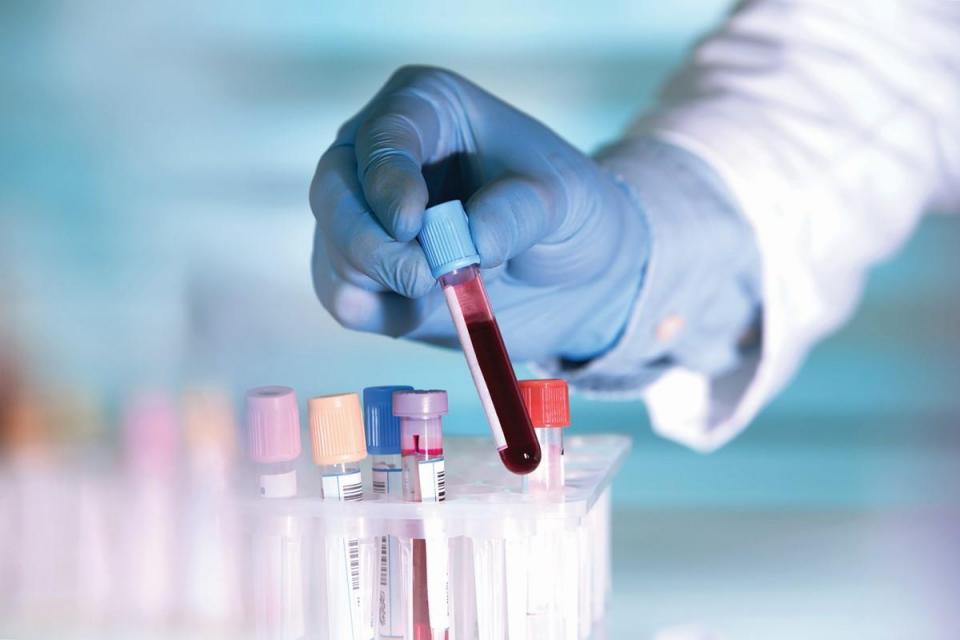
A blood test that can spot more than 50 types of cancer has just delivered some really encouraging news from a big trial in North America. The Galleri test, made by American pharmaceutical firm Grail, managed to find cancers in 62% of people who got a positive result – and we’re talking about 25,000 adults from the US and Canada who were tracked for a whole year. What’s even better is that more than half of these cancers were caught at an early stage, which is exactly when they’re easiest to treat and most curable. These findings came out at the European Society for Medical Oncology congress in Berlin this Saturday.
So how does this thing actually work? Dr Nima Nabavizadeh, who’s an associate professor of radiation medicine at Oregon Health & Science University and the lead researcher on this project, broke it down pretty simply. The test picks up tiny fragments of cancerous DNA that break away from a tumour and end up circulating around in your blood. Here’s what really got everyone excited though – three-quarters of the cancers it detected don’t even have a screening programme right now. We’re talking about ovarian, liver, stomach, bladder, and pancreatic cancer – the kinds that usually fly under the radar until it’s too late. On top of that, the test figured out where the cancer started – the origin – in nine out of 10 cases. And for people without cancer? It correctly ruled out the disease in over 99% of those who tested negative.
Think about what this means for cancer screening as a whole. Right now, we’ve got breast, bowel, and cervical screening programmes, but loads of cancers don’t get checked for at all. When researchers combined the Galleri test with those existing programmes, they found seven-fold more cancers overall. That’s not a small jump – that’s massive. It means we could actually catch cancers that normally don’t show up until they’ve reached advanced stages and become much harder to deal with.
Sir Harpal Kumar, who’s president of biopharma at Grail, put it pretty bluntly when he spoke on BBC Radio 4’s Today programme. The results were “very compelling”, he said, and here’s why – the “vast majority of people who die from cancer do so because we find their cancers too late”. Too many cancers are “already very advanced” by the time doctors spot them. The whole aim here is to “shift to earlier detection, when we have the chance to use treatments that are much more effective and potentially curative”. Makes sense, right? Catch it early, treat it better.
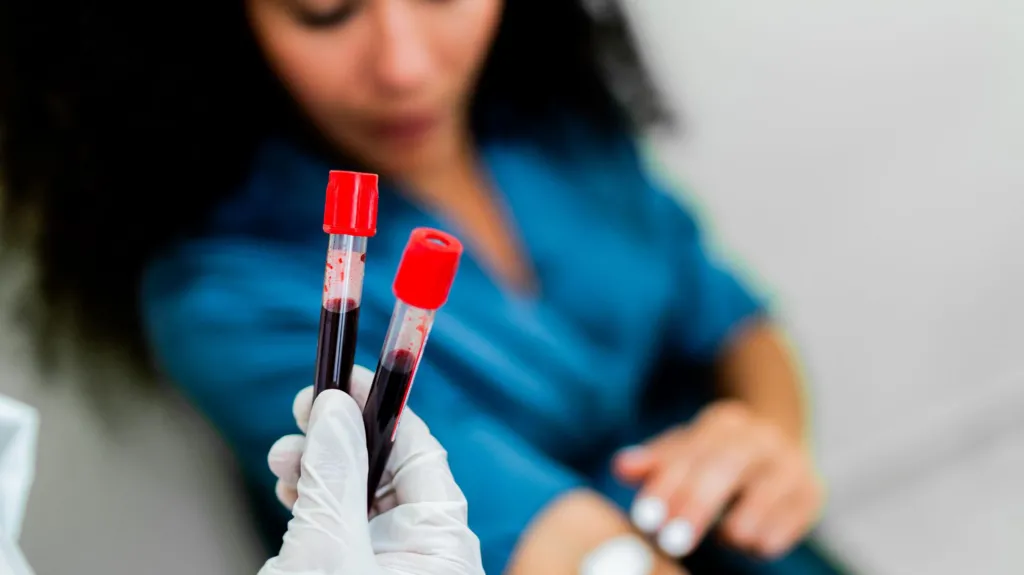
Now, before everyone gets too excited, there’s a massive three-year trial happening right now with 140,000 NHS patients in England. Results should be published next year, and that’s going to be the real test. This study will give us the essential evidence to know whether this should be rolled out everywhere. If things go well and the results prove successful, the NHS has already said they’d extend the tests to another one million people. That’s how big a deal this could be.
The topline results from the North America trial look good, but the full details haven’t been published in a peer-reviewed journal yet. That matters because scientists and doctors need to properly examine the methodology and confirm everything checks out through proper academic research. The UK National Screening Committee will have a critical role in reviewing all the evidence and determining whether these tests get adopted by the NHS. It’s not just about whether something works – it’s about whether it works well enough and makes practical sense for the healthcare system.
Not everyone’s completely sold yet, and that’s probably a good thing. Clare Turnbull, a professor of translational cancer genetics at the Institute of Cancer Research in London, made an important point. She said “data from randomised studies, with mortality as an endpoint, will be absolutely essential to establish whether seemingly earlier-stage detection by Galleri translates into benefits in mortality”. In other words – does finding cancers earlier actually save lives, or does it just mean we know about them sooner without changing what happens in the end?
Naser Turabi from Cancer Research UK cautioned that further research is needed to “avoid overdiagnosing cancers that may not have caused harm”. This is a real concern in medicine. Some cancers grow so slowly they might never actually become life-threatening, and if we start treating every single one we find, we could be putting people through unnecessary treatments for slow-growing tumours that wouldn’t have hurt them anyway. Finding that balance is tricky but important.
For regular people, though, this could be huge. If you’re someone who might develop one of those cancer types that don’t currently have screening options, this test could seriously boost your chance of successful treatment. In the trial, about one in 100 people got a positive result, which shows this could work as a practical screening tool. Being able to detect cancers at an early stage means treatments don’t have to be as harsh, and you’ve got the greatest shot at a complete cure. These are the cancers that usually don’t get found until they’ve hit advanced stages, when options become limited and survival rates tank.
The next year is going to be crucial. As the NHS trial data comes out and regulators look at whether this actually delivers real benefits in cutting down deaths from cancer, we’ll know if this is the breakthrough it looks like. What happens in England over the coming months could completely change how we approach cancer diagnosis everywhere, potentially saving huge numbers of lives through earlier intervention when treatments actually work their best.