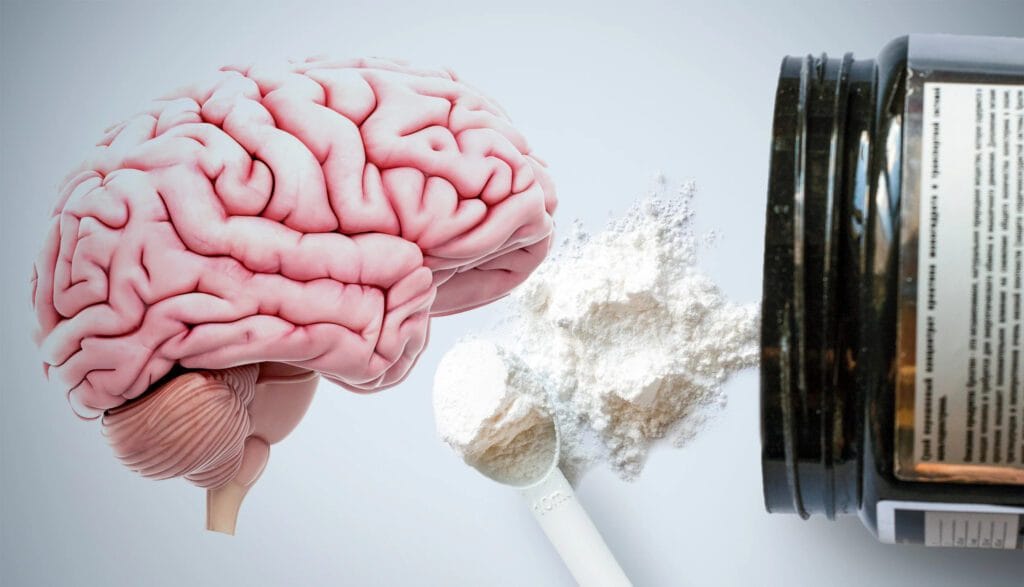
Creatine, a natural compound stored in your muscles, brain, liver, and kidneys, is garnering attention for far more than muscle building. Registered dietitian nutritionist Sam McKinney from Life Time Fitness in Minneapolis says this well-researched supplement now shows promising evidence for cognitive health, heart health benefits, and slowing the aging process in ways that could transform how you approach wellness.
Your bodies naturally produce creatine, but supplementation is gaining traction among health experts and celebrities alike. The compound works by donating a phosphate group to help produce adenosine triphosphate (ATP), which serves as energy for high-intensity exercise and powers every muscle in your body. What makes creatine revolutionary is its broader functions extending beyond athletic performance to impact memory, recovery, blood sugar control, and neurological health.
The Brain Power Breakthrough
Creatine acts as a fuel source in the brain, with studies showing mixed but encouraging results for cognitive health. A small study found individuals with depression saw improvement with 3 to 5 grams of daily creatine, though those with bipolar disorder experienced symptoms worsen. Research also reveals support for traumatic brain injuries, with improvements in amnesia, headaches, and fatigue.
The potential benefits for memory and intelligence scores are most pronounced in those at risk for lower phosphocreatine stores, including vegetarians, vegans, and the elderly population. Neuroscientist Dr. Andrew Huberman describes creatine on his Huberman Lab podcast as the “Michael Jordan” of supplements, noting evidence it can connect with brain areas involved in mood regulation and motivation. Sam McKinney points to these cognitive health benefits as particularly beneficial for groups who naturally maintain lower creatine stores.
Heart Health Gets a Boost
Your heart relies on ATP for energy just like any other muscle, and creatine plays a big role in the heart’s contraction and energy supply. Creatine supplementation has been shown to improve outcomes from heart bypass surgery and help balance oxygen levels in the heart during periods of increased workload or stress from exercise.
Combining creatine with nutrients like vitamin B12 can help promote better overall energy and heart function. Sam McKinney explains that creatine could support energy supplied to the heart that’s needed to deal with demanding situations. The supplement’s role in increasing power output and force during exercise creates a result that extends beyond athletic performance to genuine heart health benefits for most people.
The Anti-Aging Secret
Using creatine can help you stay strong, mobile, and independent as muscle decreases with age. Sam McKinney noted that creatine helps increase lifespan by mitigating losses that naturally occur over time. The positive impacts of creatine are most significant when combined with an effective resistance training routine.
Specific benefits include improved grip strength and lower body endurance, both serving as markers of mobility and health in the elderly. One study referenced by Sam McKinney suggests creatine can help keep bones strong when combined with a strength training program. The reason could be associated with the benefits of creatine on power output, making workouts more effective, or increases in muscle mass adding more tension to bone, which supports bone strength.
Women Stand to Gain More
Women typically have 70% to 80% lower creatine stores than men, making creatine supplementation particularly beneficial during hormone changes. These include menstrual cycles, pregnancy, post-partum, and menopause periods when your body faces unique challenges.
The impact on healthy body composition and energy levels can help women maximize performance during high-intensity exercise while supporting broader functions of cognition and recovery. Sam McKinney emphasizes that the role of creatine in increasing power output and athletic performance becomes even more valuable when natural stores are depleted.
Getting Your Dose Right
Daily creatine doses can range from 2 to 10 grams per day, but Sam McKinney says most people see benefits with a daily ongoing dose of 5 grams. She recommends creatine monohydrate as the best option since it’s the most common and well-researched form on the market.
Despite a lot of misconceptions, creatine is one of the safest and most effective supplement options available, the expert told Digital Media. Creatine is not a steroid and does not have a negative impact on kidney function in healthy people. The reality is that this natural compound, when used properly, delivers significant benefits for muscle growth, cognition, and longevity across the lifespan.