Scientists at Scripps Research discovered a specific part of the brain that drives people who can’t stop drinking. This region physically adapts when someone starts using alcohol to relieve stress and anxiety, which explains why quitting becomes extremely difficult. The research shows a set of cells that become more active as drinkers start associating the relief from feeling terrible with having another drink, creating a vicious cycle that’s tough to escape.
Why Your Brain Fights You When You Try to Stop
The work, published in Biological Psychiatry Global Open Science, looked at a small area called the paraventricular nucleus of the thalamus, or PVT for short. This spot regulates how you handle emotion and stress. The finding pinpoints exactly what’s happening inside your head during addiction, offering proof that alcoholism isn’t about weak willpower. Instead, it’s deep changes in how your brain works that make the problem stick around.
“What makes it hard to break free is that people aren’t simply chasing a good feeling,” explained Friedbert Weiss, who led the study as a professor of neuroscience. “They’re also trying to get rid of feeling awful.” His co-author Hermina Nedelescu added that drinkers end up providing themselves an escape from the “agony” of a “stressful state” their body creates.
What Happens Inside an Addicted Brain
The team watched rats who initially drank normal amounts but then changed their behavior after repeated exposure. These animals sought alcohol specifically to ease symptoms such as depression, feeling sick with nausea, agitation, and fatigue. Even when the situation became uncomfortable, these withdrawal symptoms kept persisting, showing real dependence had formed. The researchers concluded that this reinforcement happens through activation of those PVT cells, which is key to how the behavior gets learned and maintained.
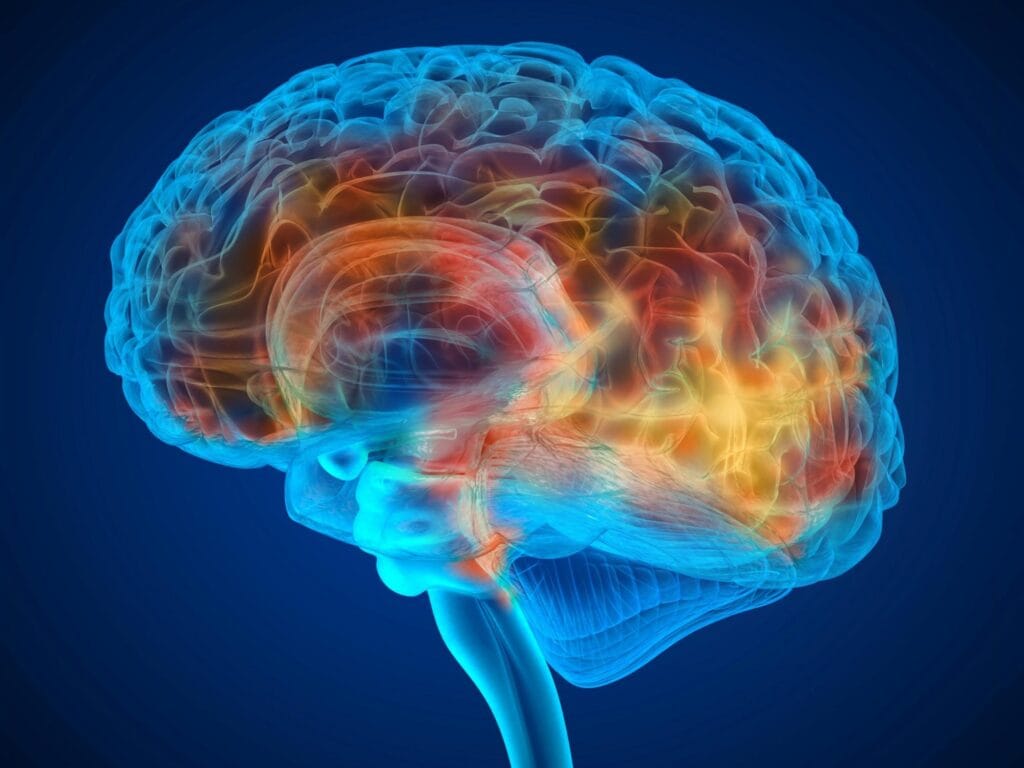
Your brain essentially teaches itself to avoid the pain of withdrawal by reaching for alcohol again. This new understanding shows that addictions and dependence get marked by cycles of sobriety and relapse that aren’t really a choice anymore. The biological mechanism behind this pattern involves your brain rewiring itself in ways that suggest simple willpower can’t overcome it alone.
How This Could Change Treatment
This discovery could help doctors develop better ways to treat alcohol disorders and other addictions. The team now plans to study gender differences and identify which molecules are driving this response in the brain. If they can target these specific pathways, it might interrupt the feedback loop that traps people in compulsive behavior patterns.
Right now, most treatments try to reduce cravings, but this work suggests we need to tackle the anxiety and stress parts too. The effect occurs at such a basic level that addressing it could help millions who struggle with drinking. Understanding the mechanism gives researchers something concrete to aim for.
The Scale of the Problem
In the U.S., about 14.5 million people have alcohol use disorder, which encompasses many different kinds of unhealthy drinking patterns, according to the National Institute on Alcohol Abuse and Alcoholism. Worldwide, alcohol kills three million people every year, the World Health Organization reports. These numbers show why figuring out the biological roots matters so much.
The disorder doesn’t discriminate, affecting people from all backgrounds. The Scripps Research team wants to explore how gender might influence how the brain adapts when someone starts to rely on alcohol. Their future work aims to create treatments that work better for different individuals based on what’s actually happening in their heads.