Back in 2022, Insta360 launched the Sphere, an accessory designed to make a DJI Mavic Air 2 or 2S drone invisible and capture 360 degrees images. Now they have taken a completely different approach with their Antigravity A1 – a move that caught me by surprise when I first heard about it. If you follow news about drones or are a regular visitor of websites covering the industry, you’ve seen enough leaks about the Antigravity A1 to know already most of what is now revealed. Still, the official announcement came today, so here is all we know which was presented as a product that redefines what drones can do by combining immersive flying experience with intuitive controls. The key thing about this name is the backing of a brand known for its cameras and accessories.
As mentioned above, back in 2022, the company developed their first solution to allow filmmakers to shoot degree videos using existing drones. I wrote then that Insta360 had introduced the ultimate way to turn any compatible drone into an all-powerful content production tool – a real game changer. The system was seamlessly compatible with quick and easy install through an ultra-secure locking mechanism. Then the camera attached becomes capable of capturing totally invisible 360-degree footage while maintaining lightweight structure for smooth operation. This made aerial filming easier than ever before. Last month, Insta360 announced their new sub-brand with a teaser showing their foray into the FPV market. Without many details, the company’s A1 promises to change everything. Besides the drone itself, they’re also releasing Vision goggles and a Grip controller for more enhanced flight experiences. The system was initially teased and will offer 8K recording capabilities with AI-powered technology integration. The company says they didn’t want to just build another drone. “We wanted to create an entirely new way to fly,” said BC Nie, Head of Marketing at Insta360.
The Antigravity A1 marks a bold shift for Insta360, moving from accessories like the Sphere to creating a full drone ecosystem with 8K 360 capture, Vision goggles, and Grip controller. Weighing just 249g, it balances power with accessibility, making immersive aerial storytelling available to both beginners and professionals. With its focus on intuitive controls, invisible drone effects, and creative freedom, the A1 isn’t just another drone
it’s a new way to fly and a strategic move that puts Insta360 in direct competition with established players like DJI.
From Insta360 Sphere to Antigravity 1
Here we are in 2025, three years after the launch of Insta360 Sphere, and as DJI enters the 360-degree market with its own version of a 360 camera, Insta360 makes the strategic path in the opposite direction and launches a drone that is announced as not just another drone, but an entirely new way to fly. It’s as if instead of developing a new version of the Insta360 Sphere for DJI drones, the company decided to take a bold step forward and enter a market for which it has created some accessories. From my perspective watching this industry evolve, this represents one of the most significant strategic pivots I’ve witnessed from a camera accessory manufacturer moving into direct competition with established drone makers.
In fact, comparing the information available about the Insta360 Sphere and the documentation available for the Antigravity 1, it’s clear that much of the technology regarding footage capture is similar. The difference is that by controlling the whole package, Insta360 or Antigravity is able to offer a solution that will appeal to many consumers and may well put the company in a collision course with DJI. This integrated approach enables advanced content creation capabilities that weren’t possible when relying on third-party drone platforms, giving creators unprecedented control over their 360-degree aerial storytelling workflow.
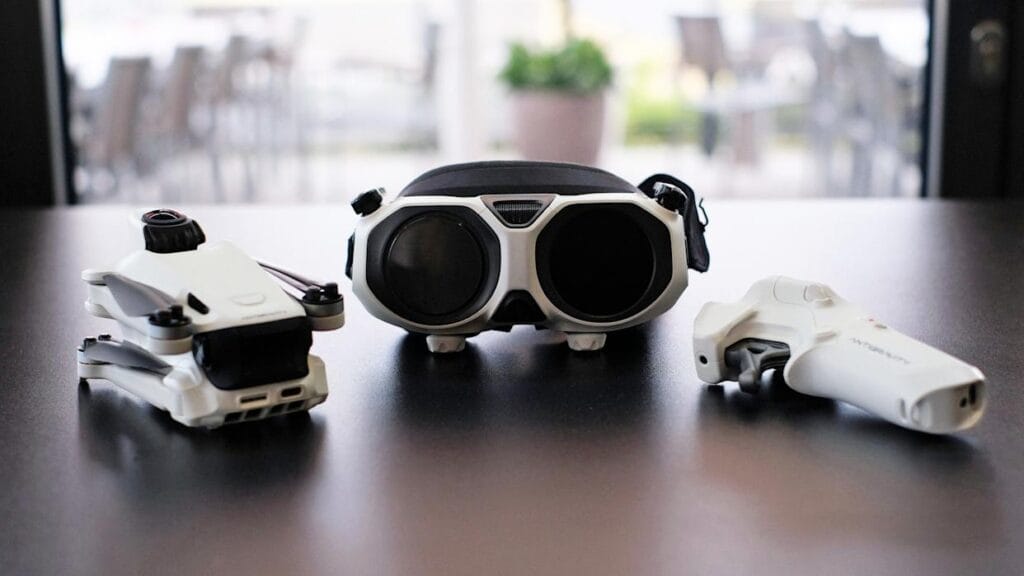
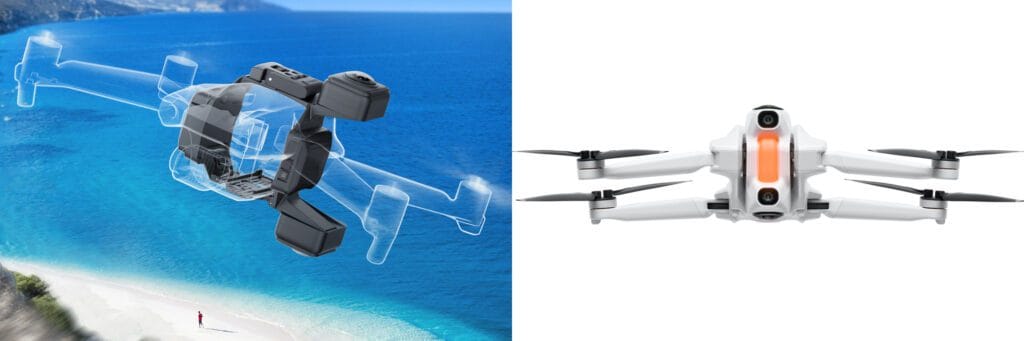
So, what is the Antigravity 1 drone? Well, according to the new brand, the A1 is built to fit into everyday life. Its dual-lens setup mirrors the capabilities of Insta360’s popular X Series, making it easy for anyone to capture stunning 8K 360 footage – this time in the sky. At its heart lies a camera system that captures everything around 360 degrees. The lenses are mounted on top and bottom of the drone’s fuselage, enabling complete environmental capture with no blind spots. Of course, cameras alone aren’t enough – Insta360 builds on what has created its reputation through its series of innovations. As with their action cameras, the A1 uses 360-degree capture which the company says results from then advanced stitching technology to make the drone invisible in the final output when flying. Having tested various goggles and systems over the years, I can say DJI’s Osmo cameras have similar process for removing selfie sticks during uninterrupted captures, but having this ability in real-time during video capture is extra important for FPV flying.
After all, if you’re piloting through goggles, you don’t want any distractions that could create more challenge or lead to a crash. The system’s advanced processing renders content to be viewed through goggles, and the result is an immersive, clean experience that places pilots directly inside the scene without traditional barriers. The A1 is designed to be used with the Vision goggles, offering total immersion that will create a very different experience from most drones as users don’t just pilot – they feel like they’re actually being there. And this is possible because simplicity was kept in mind – you fly using the Grip controller that responds to natural hand movements, eliminating the need for traditional joystick controls. This 360-degree innovation approach means the company has designed all components to work together to enable a completely new way to explore the skies.
Antigravity says that the A1 uses its FreeMotion technology and responsive head tracking for more immersive flight. Its Grip controller enables drone control with natural hand movements, doing away with stick controls like other drones use. The Vision goggles allow an FPV flying experience that represents future technology trends in aerial cinematography. One of the main benefits of 360 video is greater flexibility when editing, since it provides every viewpoint from one flight instead of having to record separate takes. The system will have its own app that integrates much of the features from Insta360 Studio, though optimized for specific drone footage. That likely means there will be plug-and-play templates to make editing quick and easy even for those without extensive experience. The A1 is built with simplicity in mind – pilots fly using the Grip controller which responds to hand gestures, eliminating the need for traditional joystick controls. Paired with Vision goggles, users can freely explore their surroundings in real time with full 360-degree visibility.
To ensure it’s used solely for exploration and storytelling, the drone includes payload detection to prevent misuse or unauthorized modifications. “We didn’t want to just build another drone. We wanted to create an entirely new way to fly,” said BC Nie, Head of Marketing at Antigravity. This represents the first step in reimagining drones as something anyone can enjoy – safe, intuitive, expressive, and endlessly creative. The immersion doesn’t end when the drone lands – recorded content can be viewed in 360 degrees over and over again, letting viewers discover new angles every time they watch. Because you capture every angle, this gives creators the power to reframe in post, making sure they never miss the perfect shot. This enables powerful creative possibilities like dynamic camera moves, Tiny Planet effects, and horizon flips. Creating cinematic FPV-style content is now more accessible than ever – the system also allows you to export multiple versions from a single clip in any aspect ratio without losing quality. With the Insta360 Sphere, content capture had a learning curve. By filming in 5.7K, you can adjust the viewing direction after the fact. Using reframing tools on desktop, you can add thrilling rolls and turns to aerial footage, achieving FPV-like results with an easy-to-handle drone designed to fit into everyday life. The dual-lens setup mirrors the capabilities of Insta360’s popular X Series, making it possible for anyone to capture stunning 8K 360 footage – this time in the sky. Every shot becomes an opportunity for unlimited creative expression.
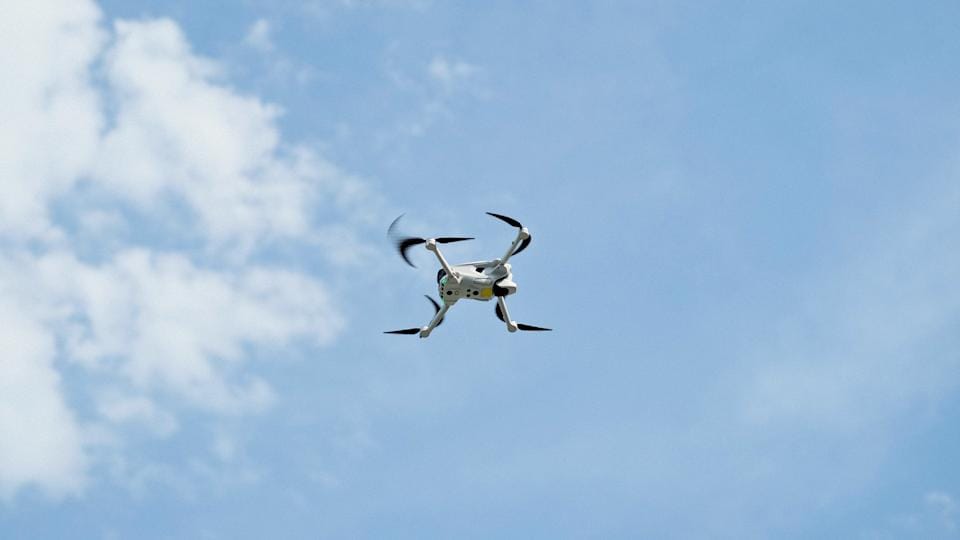
The A1 weighs 249g, falling just under the 250g limit that exempts it from requirements like registration or Remote ID for recreational flyers in the US, as well as similar regulations in other countries. Its relatively compact size also makes it easier to pack when traveling. It promises to be an accessible option for seasoned drone pilots and those with zero experience alike. Weighing only 249 grams, the Antigravity A1 meets regulatory standards in most regions worldwide. It’s perfect for creators, families, travelers, and first-time users seeking a powerful yet user-friendly tool for aerial storytelling. Its design makes it easy to carry and launch within seconds, meaning you can fly freely almost everywhere without the bureaucratic hassles that come with heavier drones.
The company says this drone is designed to be used solely for exploration and creative work, so it includes payload detection systems to prevent misuse and unauthorized modifications. To ensure safe operation and maintain its sub-250g classification, the A1 incorporates intelligent image processing that works seamlessly with its weight-conscious design. From my experience testing various lightweight drones, this weight threshold is crucial – it’s the difference between grabbing your drone for a spontaneous flight versus dealing with paperwork and restrictions that can kill creative momentum.
Antigravity A1 Key Features
The Antigravity A1 brings impressive technical capabilities with 8K 360-degree capture using a with top-and-bottom lens configuration that delivers professional-grade footage. Its compact and lightweight design at 249g enables license-free flying in most countries and regions, making it accessible to creators worldwide. The standout feature is the invisible drone effect achieved through advanced image stitching technology that removes the aircraft from final footage. Intuitive point-to-fly controls via the Grip controller eliminate traditional joystick complexity, while users experience 360 immersive live view with head tracking via the Vision goggles. You’ll never miss a shot thanks to easy post-flight reframing and editing capabilities that let you choose any angle after recording. Safety features including return-to-home and payload detection system ensure responsible operation and prevent unauthorized modifications.
Availability wise, the Antigravity A1 is scheduled to launch globally in January 2026. Final pricing and bundle details plus regional availability will be announced closer to launch. In the meantime, applications are now open for their first-ever co-creation project. “We’re inviting creators from around the world to join our journey and help shape the future of our products,” the company explains. Selected participants will receive pre-production units to test and explore while they share their creative ideas. The best suggestions will be integrated into the retail version, and contributors have a chance to win from a US$20,000 reward pool – a key incentive for early adopters. “We didn’t want to just build another drone. We wanted to create an entirely new way to fly,” said BC Nie, Head of Marketing. This represents the first step in reimagining flight as something anyone can enjoy – one that is safe, intuitive, expressive, and endlessly creative.