Apple unveiled the groundbreaking iPhone Air on Tuesday, calling it the thinnest iPhone ever made at just 5.6 millimeters thick. Available for preorder starting Sept 12 at $999, this revolutionary device redefines smartphone design alongside the iPhone 17 lineup.
The iPhone Air represents Apple’s boldest design departure in years, measuring just 5.6 millimeters thick – more than 2 millimeters thinner than both the iPhone 16 and iPhone 17 also unveiled Tuesday. For comparison, the Air is about as thick as three quarters stacked on top of each other, while the iPhone 16 and 17 are nearly equivalent to five quarters. This new version stands unlike others before it, showcasing Apple’s commitment to pushing design boundaries in their newest lineup of AirPods, watches, and iPhones.
Revolutionary Design Meets Advanced Engineering
The iPhone Air weighs just 5.82 ounces, making it about 0.2 ounces lighter than the iPhone 16 and 0.4 ounces lighter than the iPhone 17. Despite its ultra-slim profile, Apple touted its titanium design, improved scratch resistance, and extended battery life as key selling points. The screen, measuring 6.5 inches diagonally, is also slightly larger than the 6.1 and 6.3 inch displays on newer iPhone models.
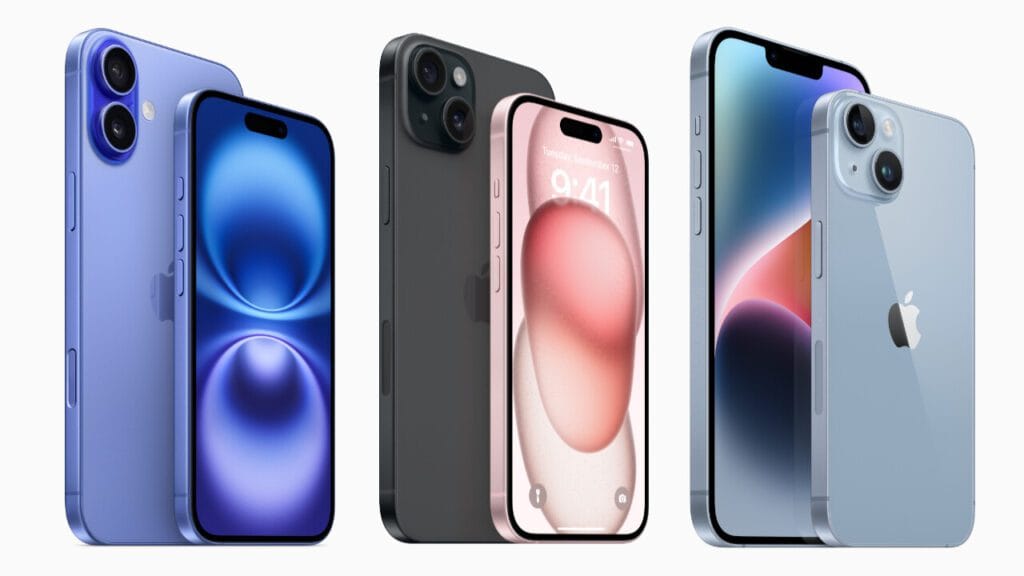
What you may notice most comes down to the camera systems that set this device apart from recent iPhone models. The engineering challenge of fitting advanced technology into such a thin form factor represents a significant achievement in smartphone manufacturing.
Game-Changing Camera Technology Takes Center Stage
The front of the Air will feature Apple’s newest technology – the Center Stage camera with a square sensor. This innovation gives users a wide field of view, which means you no longer need to turn your phone horizontal to take a perfect selfie or groupie. AI will adjust the camera’s field of view to make sure everyone is included in the event of a groupie, transforming group photography.
You’ll also notice a major difference on the reverse side. Since the original iPhone, Apple has put the camera in the upper left corner of the back side. The camera will remain there on the Air, but in a smaller plateau that flows along the top of the phone rather than the traditional left corner square design.
Design Similarities Spark Industry Comparisons
If you’re familiar with smartphones, or perhaps use the Google Pixel, you may notice a similarity between Apple’s new plateau and that seen on Google’s device. However, the devices vary elsewhere when placed side by side. Compared to the Google Pixel 10, unveiled last month, the Apple Air is lighter by 1.38 ounces, thinner by about 2 millimeters, and has a larger display by 0.2 inches.
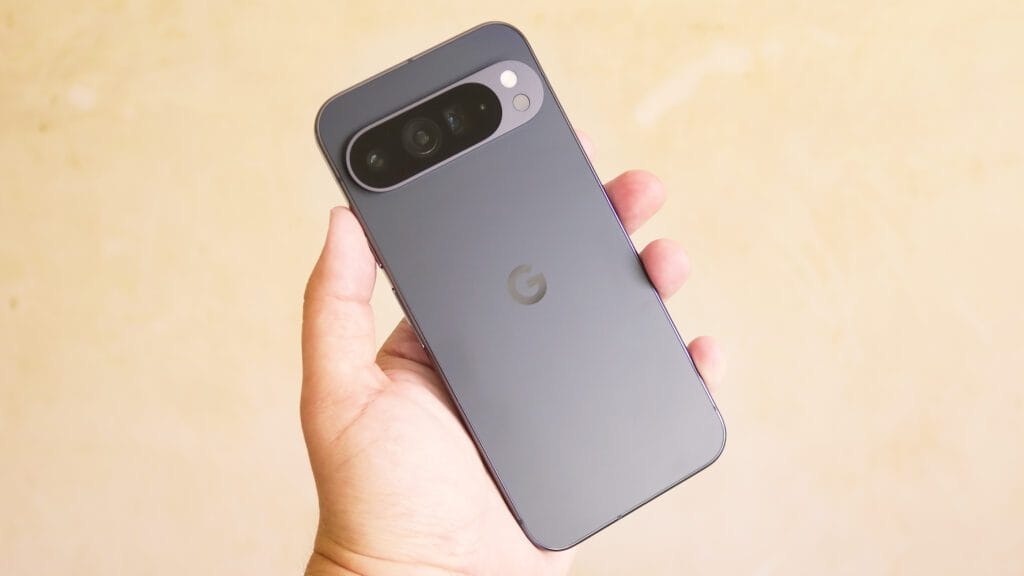
This design evolution shows how smartphone manufacturers continue influencing each other’s aesthetic choices. The plateau camera design has become increasingly popular across the industry, with each manufacturer adding their unique interpretation.
Pricing Strategy Maintains Market Position
Like Google, however, Apple is keeping its prices stable across its newest phones: $799 for the iPhone 17, $1,099 for iPhone 17 Pro, and $1,199 for iPhone 17 Pro Max. The iPhone Air will start at $999. They’re all available for preorder starting Sept 12, with full availability expected soon after.
Most of that aligns with the pricing Apple has rolled out with its new iPhones over the last five years – with the exception of the Pro, which is $100 more expensive this year. But that still falls within the $800 to $1,200 range that the company has outlined between its most basic and top offerings since 2020.
Market Launch Amid Economic Uncertainties
Tuesday’s lineup marks the first phones Apple has released since President Trump returned to the White House and unleashed a barrage of tariffs impacting goods that businesses sell and consumers buy every day. This timing adds complexity to Apple’s pricing strategy and market positioning in early September.
The launch comes during a period of heightened trade tensions, yet Apple appears confident in maintaining its premium pricing structure. Industry analysts will closely watch consumer response to these price points given current economic pressures affecting everyday purchases.