Two senior Democratic lawmakers pressed the U.S. Commerce Department on Monday to reveal details about any approvals for selling Nvidia’s second-most powerful AI chips to Chinese firms. Senator Elizabeth Warren and Representative Gregory Meeks want answers fast—within 48 hours of each approval date.
The timing matters. President Trump dropped a bombshell this month when he said the U.S. would allow sales of H200 chips to China. The catch? The government gets a 25% fee from every deal. Trump’s logic is straightforward: sales like these help keep American tech companies ahead of Chinese chipmakers. How? By cutting demand for Chinese chips.
But not everyone’s buying that argument. Warren and Meeks fired off a letter—seen by Media—demanding the Commerce Department disclose every license request for H200 exports to Chinese companies. They don’t just want the applications. They want to know which ones got approved licenses and when.
Here’s what makes this request unusual. The two lawmakers aren’t waiting around. They’re asking for disclosure within 48 hours of each approval. That’s lightning fast for government work. It means you’d know about these deals almost as soon as they happen.
There’s more. Warren and Meeks also want a full briefing on the whole issue. And they want it before the Commerce Department gives out any more approvals. What should this briefing cover? An assessment of the military potential tied to these chips. Plus, how allies and partners might react to the decision.
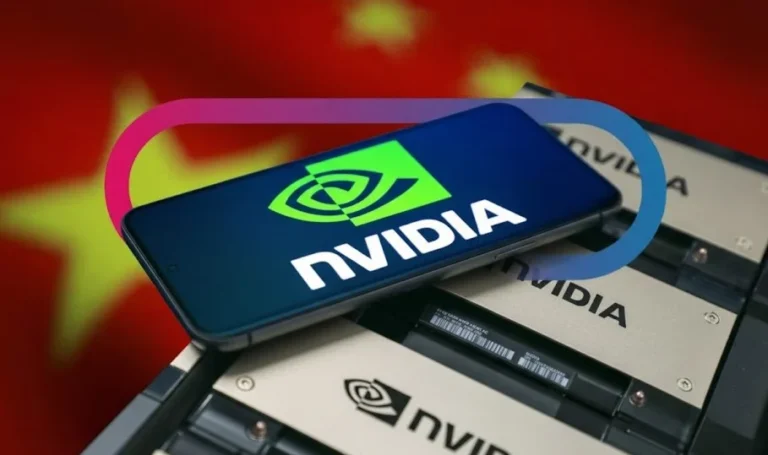
The H200 sits near the top of Nvidia’s product lineup. It’s the company’s second-most powerful processor. We’re talking about serious computing muscle here. The kind that powers cutting-edge artificial intelligence work. The kind that could have military uses.
Trump’s team sees it differently. They argue the 25% fee creates a win-win. The government collects revenue. Nvidia keeps its market share. And here’s the kicker: Chinese firms buying American chips means they’re not developing their own. Block the sales, the thinking goes, and you might actually push Chinese chipmakers to innovate faster. You’d be cutting off their access today but forcing them to build their own tomorrow.
The Democratic lawmakers aren’t convinced. Their letter zeroes in on national security concerns. Potential sales of advanced AI chips to China raise obvious questions. Could Chinese companies use this technology for military purposes? Would exports undermine America’s strategic position?
Ongoing license reviews usually happen behind closed doors. Multiple agencies weigh in. They evaluate whether exports serve U.S. interests. The process stays confidential. Companies don’t want competitors knowing what they’re buying. The government doesn’t broadcast sensitive decisions.
Warren and Meeks want to change that—at least for H200 deals. Their request would shine a light on who’s applying, who’s getting approved, and why. It’s a major departure from how license applications typically work.
The Senator and Representative also want to know how this plays internationally. Many partners have worked with the U.S. on export controls. They’ve coordinated strategies for maintaining technological advantages. What happens if Washington suddenly relaxes restrictions? Some allies might see it as breaking ranks.
The reaction could get complicated. If the U.S. allows advanced chip supply while asking partners to restrict their own exports, that creates tension. The lawmakers want the Commerce Department to think through these diplomatic angles before moving forward.
Trump made his announcement this month, but the mechanics remain unclear. How exactly would the 25% fee work? Who decides which Chinese firms qualify? What safeguards prevent chips from ending up in military applications? These questions sit at the heart of Warren and Meeks’ push for transparency.
The demand for information comes as tech trade with China gets more complicated. Washington’s been tightening export controls on advanced semiconductors. But Trump’s proposal suggests a different approach—controlled access instead of complete restriction.
For now, the ball’s in the Commerce Department’s court. Will they provide the disclosure Warren and Meeks want? Will they brief Congress before issuing more approvals? And crucially, will they evaluate the military potential of these exports as thoroughly as the lawmakers demand?
The ongoing debate reflects a fundamental tension. How do you balance commercial interests against security concerns? The answer could reshape U.S.-China tech relations for years to come.