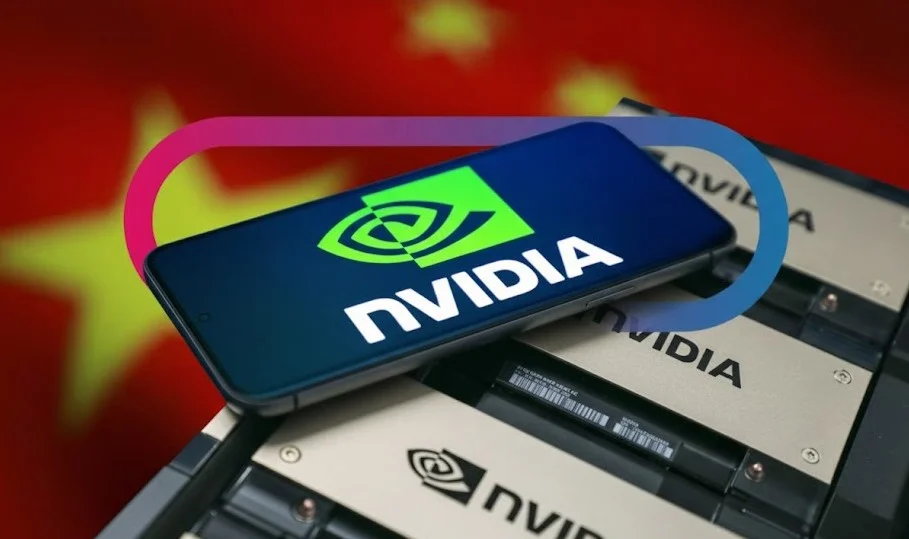
Nvidia has told Chinese clients it aims to start shipping its second-most powerful AI chips to China before the Lunar New Year holiday in mid-February, three people familiar with the matter told media. The U.S. chipmaker plans to fulfil initial orders from existing stock, with shipments expected to total 5,000 to 10,000 chip modules—equivalent to about 40,000 to 80,000 H200 AI chips, the first and second sources said.
Significant uncertainty remains, as Beijing has yet to approve any purchases and the timeline could shift depending on government decisions, the sources said. “The whole plan is contingent on government approval,” the third source said. “Nothing is certain until we get the official go-ahead.”
The planned deliveries would mark the first shipments of H200 chips to China after President Donald Trump said this month that Washington would allow such sales with a 25% fee. Media reported last week that the Trump administration had launched an inter-agency review of license applications for H200 chip sales to China, making good on his pledge to allow the transactions. The sources declined to be identified as the discussions are private.
The move represents a major policy shift from the Biden administration, which banned advanced AI chip supply to China citing national security concerns. Nvidia and China’s Ministry of Industry and Information Technology did not immediately respond to requests for comment on the planned shipments.
The H200, part of Nvidia’s previous-generation Hopper line, remains widely used in AI despite being superseded by the firm’s newer Blackwell chips. Nvidia has focused production on Blackwell and its upcoming Rubin line, making H200 supply scarce. Nvidia has also told Chinese clients that it plans to add new production capacity for the chips, with orders for that capacity opening in the second quarter of 2026, the third source said.
Trump’s decision comes as China Steps into develop its domestic AI chip industry. Local firms have yet to match the H200’s performance, raising concerns that allowing imports could slow domestic progress. Chinese officials held emergency meetings earlier this month to discuss the matter and are weighing whether to allow shipments, a news agency reported this month.
One proposal would require each H200 purchase to be bundled with a set ratio of domestic chips, according to the report. For Chinese technology giants such as Alibaba Group and ByteDance, which have expressed interest in buying H200 chips, the potential shipments would provide access to processors roughly six times more powerful than the H20, a downgraded chip Nvidia designed for China.
The planned deliveries come as AI chip demand continues to surge globally. Industry analysts note that access to advanced processors like the H200 could accelerate Chinese companies’ artificial intelligence development efforts significantly. The shipments, if approved, would give Asia Tech Giants (Chinese) capabilities they’ve been seeking since the Biden-era restrictions took effect.
Nvidia’s strategy involves fulfilling orders from existing stock first, then ramping up dedicated production for the Chinese market. The U.S. chipmaker has been navigating complex regulatory requirements while trying to maintain its market position in China, one of its largest markets before the Biden export controls were implemented.
The 25% fee structure announced by Trump represents a compromise between security hawks who wanted to maintain strict export controls and business interests pushing for market access. Washington’s approach contrasts sharply with the outright ban that characterized the Biden administration’s policy toward advanced AI chip exports to China.
Beijing’s approval process remains the critical factor determining whether these shipments materialize. Chinese officials are balancing the immediate need for powerful AI chips against long-term goals of achieving technological self-sufficiency in the semiconductor sector. The emergency meetings held earlier this month underscore the strategic importance Chinese authorities place on this decision.
The H200 chips use the Hopper architecture and remain a highly sought-after product despite being replaced by newer Blackwell technology in Nvidia’s product lineup. The scarcity of H200 supply stems from Nvidia prioritizing production of its latest chip designs, making existing inventory particularly valuable to potential buyers.
Industry watchers note that the bundling proposal—requiring purchases of domestic chips alongside imported H200 units—could help Chinese local firms gain market share while still giving major tech companies access to advanced processing power. This approach would address both immediate performance needs and long-term industry development goals.