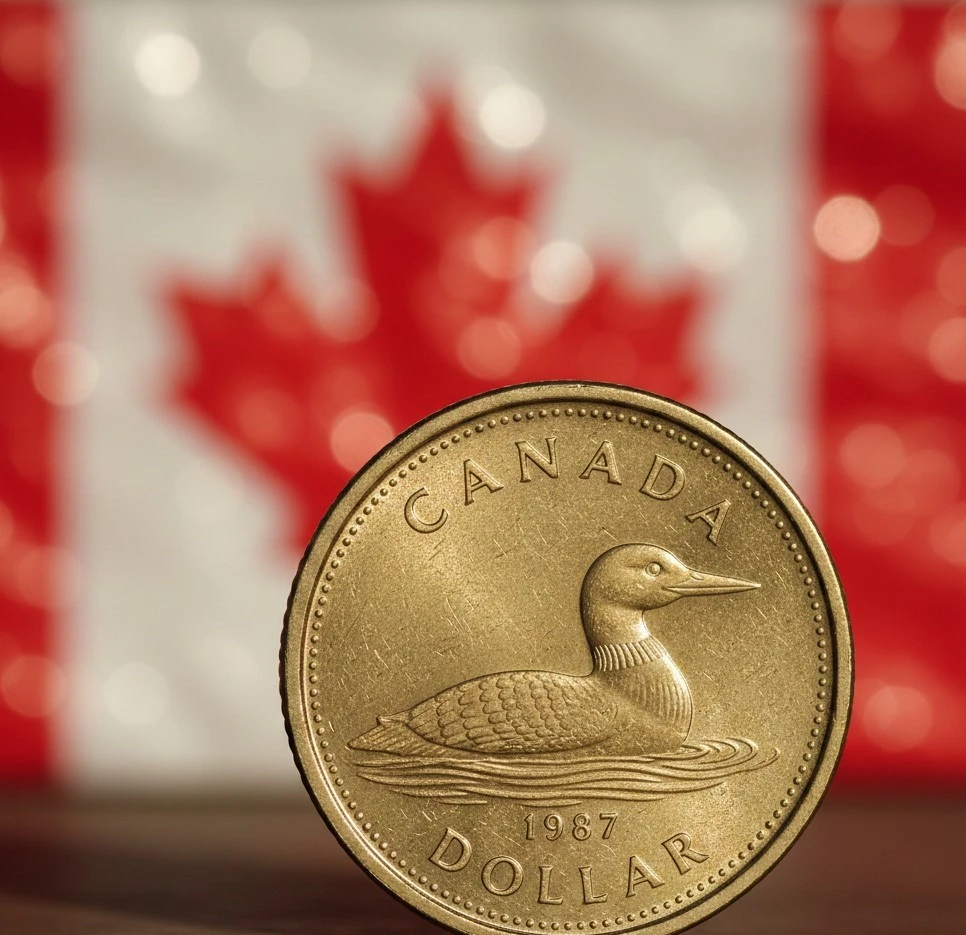
Tuesday brought an unusual calm to currency markets as the Canadian dollar traded sideways, with investors bracing for what could reshape monetary policy in the months ahead. The Bank of Canada interest rate decision drops Wednesday, and nobody’s quite sure which way it’ll go. The loonie sat stubbornly at 1.3850 against the U.S. dollar—72.20 U.S. cents if you’re converting—after climbing to an 11-week high of 1.3797 Monday. Oil prices fell, bond yields pushed higher, and traders mostly just watched the clock tick down.
The stakes here are real. Back in October, the Bank of Canada made its most aggressive move yet, slashing the benchmark rate to 2.25%—a three-year low that caught some market watchers off guard. Now the question everyone’s asking: will they keep cutting, hold steady, or start hinting at reversing direction?
Currency Markets Play the Waiting Game
The Canadian dollar spent Tuesday trading in a frustratingly narrow range between 1.3824 and 1.3860. It’s the kind of tight pattern that tells you something big is coming. Traders hate uncertainty, and right now they’ve got it in spades. Monday’s rally to 1.3797 marked the currency’s best showing since late September, suggesting some believe Canada’s economic fundamentals are stronger than the doom-and-gloom crowd admits.
What changed the mood? Jobs data. Recent data showed the economy adding many more jobs than anyone predicted—the kind of numbers that force central bank officials to tear up their prepared remarks and start over. Investors are now betting the Bank of Canada will leave interest rates untouched for now, though there’s growing chatter about a potential shift toward raising rates sometime in 2026. The U.S. counterpart hasn’t moved much, but currency veterans will tell you that apparent stability often masks wild disagreements about where things go next.
One Toronto-based currency analyst put it this way: “We’re in that awkward phase where the data says one thing, but the central bank’s recent messaging says another. Someone’s going to be wrong.”
Energy Markets Throw a Curveball
Then there’s oil. The price of crude—still Canada’s biggest export earner despite all the economic diversification talk—dropped 1.2% to $58.17 a barrel Tuesday. That might not sound dramatic, but for a resource-dependent economy like Canada’s, these moves accumulate. Investors are keeping their eyes glued to peace talks around Russia’s war in Ukraine, knowing any breakthrough could flip energy markets upside down within hours.
The 1.2% lower price adds some weight to the Canadian dollar, though market analysts say other factors are softening the blow. Energy traders—the ones who’ve been doing this for decades—will tell you crude markets have become impossible to predict lately. The loonie remains stubbornly tied to what happens with oil, and that connection isn’t breaking anytime soon.
Two Central Banks, One Day, Opposite Directions
Here’s where it gets interesting. The Federal Reserve also plans to make its interest rate decision Wednesday—same day as Canada’s announcement. Most investors are expecting the Americans to deliver a rate cut, with additional easing probably coming next year. That puts the Bank of Canada in an awkward spot.
Karl Schamotta, chief market strategist at Corpay, didn’t mince words in a recent note: “It would require considerable conviction for the Bank of Canada to tighten while the Federal Reserve is still easing.” He’s absolutely right. Going against the Fed’s direction would take guts—maybe more than is wise. Schamotta added that any such move would “almost certainly trigger a sharp appreciation in the Canadian dollar,” which sounds great until you realize it would hammer exporters and throw a wrench into economic forecasts.
The timing creates genuine problems for policymakers. How do you chart your own course when the world’s biggest economy is going the other way? That’s the puzzle Canadian officials are wrestling with right now.
Microsoft Drops a Billion-Dollar Bet on Canada
While currency traders obsessed over basis points, Microsoft made a splash with genuinely surprising news. The tech giant announced it’ll invest more than C$7.5 billion ($5.42 billion in U.S. terms) in Canada over the next two years. The new cloud capacity from this investment is slated to come online in the second half of 2026, and it’s actually part of something much bigger. The company’s total planned Canada spending reaches C$19 billion when you add up everything from 2023 through 2027.
This matters beyond the headlines. Big foreign investment commitments like this provide real support for the Canadian dollar over time, even when shorter-term factors push it around. It also signals that major corporations still see Canada as a stable, attractive place to park serious money—not nothing in today’s uncertain world.
Bond Markets Tell Their Own Story
Canadian bond yields moved higher across the curve Tuesday, with the 10-year jumping 3.4 basis points to 3.458%. The yield stayed below the three-month high of 3.500% hit during Monday’s session, but bond traders clearly see where this is heading. They’re recalibrating expectations, pricing in the possibility that the Bank of Canada ends its easing cycle faster than anyone thought possible a few months back.
Markets are already positioning for a potential shift toward raising rates in 2026, driven mostly by those job numbers that keep coming in hot. The curve movement tells experienced traders that the central bank has less wiggle room than it did back in October. Whether policymakers agree with that assessment—well, we’ll find out Wednesday.