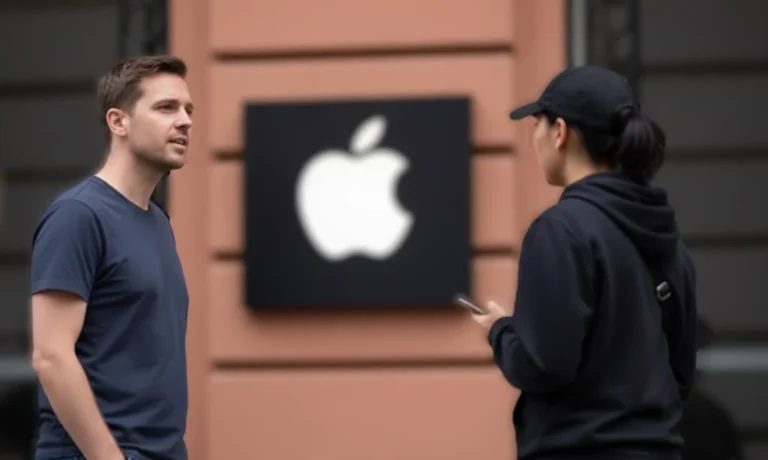
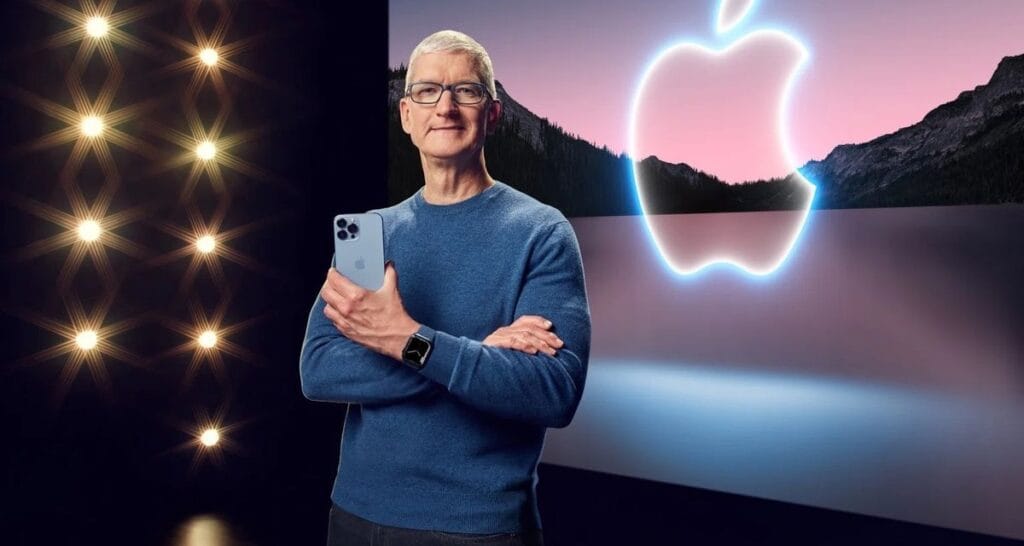
Apple CEO Tim Cook made it crystal clear on Friday: the latest iPhone price hikes have nothing to do with tariffs. Speaking with CNBC’s Jim Cramer, Cook flat-out rejected claims that President Trump’s trade threats influenced pricing for the new iPhone 17 lineup.
What’s Really Behind the Price Bump?
Here’s the deal with Apple’s pricing moves. The iPhone 17 Pro now costs $1,099 – that’s $100 more than previously. But here’s the kicker: you’re getting 256GB of built-in storage instead of 128GB from last year. So while you’re paying more, you’re actually getting double the storage.
The standard iPhone 17 costs the same as before at $799. Apple scrapped the Plus model entirely, bringing in the slimmer iPhone Air at $999. These starting prices hit store shelves worldwide Friday, giving consumers their first real look at what Apple thinks the market will bear.
Trump Keeps the Pressure On
Trump hasn’t let up on Apple. He’s repeatedly called for the company to make iPhones in America and threatened a 25 percent tariff if that doesn’t happen. Analysts warn that domestic production would send prices through the roof – way higher than what we’re seeing now.
That’s probably why Apple has been shifting its iPhone supply chain to India, moving operations away from China. The tech giant also pledged to invest $600 billion domestically over the next four years. Cook and Trump even appeared together for that announcement, showing they’re at least talking.
The Real Tariff Impact
Cook’s Friday comments were meant to shut down speculation, but the reality is more complicated. Apple expects $1.1 billion in tariff-related costs this quarter alone. Add that to the $800 million from the previous three-month period, and you’re looking at real money.
This was a rare instance of Cook definitively addressing the link between tariffs and iPhone prices. Usually, the CEO stays away from political topics, making his CNBC appearance all the more significant.
What You’re Actually Paying For
The iPhone 17 lineup brings some interesting changes beyond just price. The entry-level Pro comes with that doubled storage, which should help buyers feel better about the extra $100. The company didn’t explain these price changes during last week’s launch event, leaving everyone guessing until Cook’s clarification.
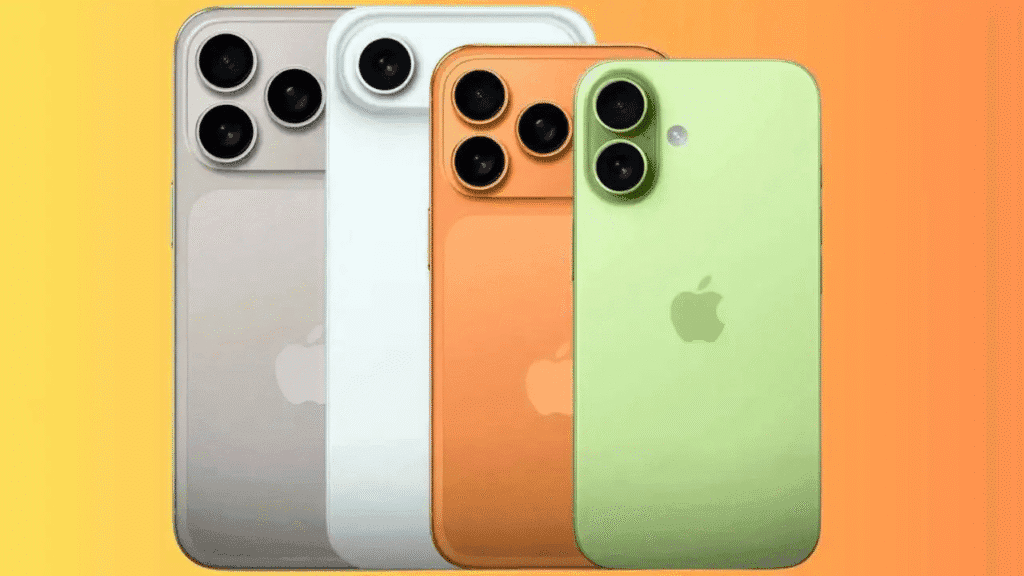
Some new iPhone models are debuting at higher prices, but Cook insists it doesn’t mean tariffs are to blame. The iPhone Air represents Apple’s attempt to fill the gap left by the discontinued Plus model, though at a more expensive price point.
Looking Ahead
Apple faces a tricky balancing act. The company has felt the impact of the president’s trade policies in real dollars, yet Cook maintains that current price hikes aren’t tariff-related. Whether that holds true for future models remains to be seen.
The tech giant’s move to diversify its supply chain suggests they’re preparing for whatever comes next. With Trump back in office and trade tensions still simmering, Apple’s pricing strategy will likely face continued scrutiny from both investors and consumers.