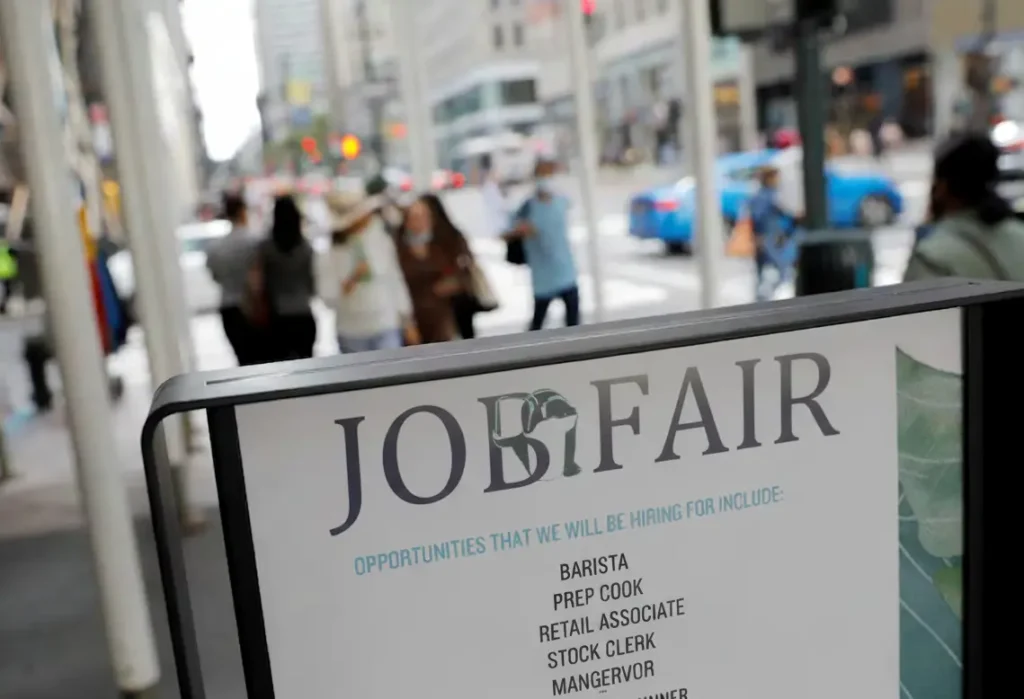
Job growth picked up speed in September, but something strange happened at the same time. The unemployment rate hit 4.4%—a four-year high that caught many off guard. The Labor Department dropped these numbers Thursday, showing the U.S. economy added 119,000 jobs while more Americans found themselves searching for work. The August figures got worse too, with a downwardly revised loss of 4,000 positions, marking the second time this year the country actually shed jobs.
What’s really going on here? More people are entering the labor market looking for work, which pushes the jobless rate higher even when new positions open up. That’s what the household survey showed—470,000 people entered the labor force in September, but only 251,000 actually found employment. The gap between job seekers and available work tells you everything about where the economy stands right now.
Here’s where things got complicated. This report should have come out on October 3, but the 43-day shutdown threw everything into chaos. The longest shutdown in American history meant the Bureau of Labor Statistics couldn’t collect information for an entire month. No data meant no October report—simple as that.
The BLS had to make an unusual call. They’re combining October nonfarm payrolls with November’s employment report, which now comes out December 16 instead of earlier in the month. Economists who were polled by media expected only 50,000 jobs would show up in the September count, so 119,000 looked pretty good by comparison. But that August revision from a 22,000 gain to a 4,000 drop stung.
The healthcare sector kept doing what it does best—adding 43,000 jobs across hospitals and ambulatory services. If you work in healthcare or you’re thinking about it, the demand stays strong. Restaurants and bars brought on 37,000 new workers, while social assistance payrolls grew by 14,000. People still need to eat out and get help, apparently.
But not every industry saw gains. The transportation and warehousing world lost 25,000 jobs, which makes sense when you think about how online shopping patterns keep shifting. Federal government payrolls dropped another 3,000, pushing total losses since January to 97,000. And here’s the kicker—tens of thousands of workers who took buyouts just fell off the rolls at September’s end. That number will surge in the coming months.
Something fundamental shifted in the labor supply picture. The immigration crackdown that started when former President Joe Biden was wrapping up his term got turned up several notches under President Donald Trump’s administration. The result? A depleted labor supply that changed how we think about job growth entirely.
Heading into what people called an economic data blackout, the BLS dropped a bombshell—about 911,000 fewer jobs were actually created in the 12 months through March than anyone thought. That’s not a small rounding error. Economists had to completely rethink their math. Now they estimate the economy only needs between 30,000 and 50,000 jobs per month just to keep up with population growth. Back in 2024, that figure sat around 150,000. The working-age population isn’t growing like it used to, and the immigration reduction explains most of that change.
Joseph Brusuelas, the chief economist at RSM US, put it plainly when he looked at the combined jobs market data that morning. “This doesn’t point to a rapid deterioration of labor market conditions,” he said. Instead, it “affirms a modest growth path” for both the economy and employment. His take on what comes next? Today’s economic data will “feed into the recent monetary policy narrative that the rate cut is neither prudent nor necessary” when the Federal Reserve meets in December.
The Fed’s December 9-10 policy meeting just got more interesting. U.S. central bank officials won’t have November’s report to look at because the release date got pushed back to December 16. The Minutes from their October 28-29 session, which came out Wednesday, showed several policymakers warning that lowering borrowing costs any more might undermine the fight against inflation. Layoffs remained low through mid-November, suggesting the labor market stayed in what people call a holding pattern—not great, not terrible, just stuck.
Artificial intelligence started showing up as a real problem for job seekers. The AI boom isn’t creating the positions people expected. Instead, it’s eroding demand for workers, especially in entry-level positions. Recent college graduates find themselves locked out of work they thought would be waiting. Some economists now talk about “jobless economic growth”—the economy expands, but employment doesn’t follow. That’s a new and uncomfortable reality.
Then there’s the trade mess. The Trump administration’s trade policy created what business owners describe as an uncertain economic environment. Small enterprises especially struggle with the ability to hire when they don’t know what tariffs might hit next month. The U.S. Supreme Court heard arguments early this month about the legality of Trump’s import duties. The justices seemed to have doubts about whether he has the authority to impose tariffs using the 1977 International Emergency Economic Powers Act. That decision could reshape how businesses plan their hiring.
U.S. stocks went up after the report came out, while the dollar barely moved against other currencies. Treasury yields dropped. The labor market clearly lost significant momentum this year, shown by those sharp downward revisions to earlier nonfarm payroll counts. Both economists and policymakers point fingers at reduced supply and falling demand for workers. Employers keep trying to navigate this uncertain environment, but nobody seems sure where it’s all heading.