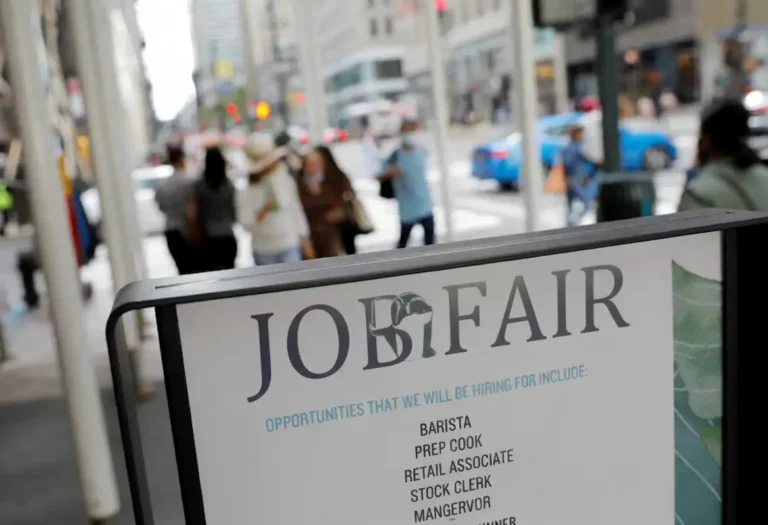
Americans filing for unemployment benefits dropped unexpectedly to 191,000 last week, marking the lowest level since September 2022 and easing concerns about labor market deterioration despite recent reports showing job losses in November.
The Labor Department reported Thursday that initial claims for state unemployment benefits fell 27,000 to a seasonally adjusted 191,000 for the week ended November 29. Economists polled by Media had forecast 220,000 claims for the latest week, making the actual figure a significant surprise. The unexpected decline in weekly jobless claims data comes as independent surveys from Revelio Labs and the ADP employment report painted a darker picture, with the economy losing 9,000 jobs in November according to Revelio Labs’ monthly employment estimates derived from online employment profiles and other information.
Difficulties adjusting the data around the Thanksgiving holiday may have contributed to the dramatic drop, according to analysts. The unemployment claims report, considered the most timely data on the economy’s health, showed unadjusted claims plunged 49,419 to 197,221 last week—more than double the 21,172 drop that had been anticipated by the seasonal factor.
Goldman Sachs economists noted that the model used by the government to strip out seasonal fluctuations from the data expected a much smaller decline in non-seasonally adjusted claims than in previous years with similar calendar configurations. Filings tumbled 19,551 in California and decreased 8,349 in Texas, with sizeable drops in applications also occurring in New York, Washington state and Florida. The volatile nature of claims around holidays like Thanksgiving Day creates a trend that could persist as the year winds down.
“Those job losses from other alternative measures of labor statistics may be overstating the weakness in the nation’s employment markets,” said Christopher Rupkey, chief economist at FWDBONDS. “The tea leaf readers at the Federal Reserve may need to recheck their figures because it certainly does not look like economic growth is in danger of stalling out.”
However, Wednesday’s ADP employment report showed private payrolls decreased last month by the most in more than 2-1/2 years, while Revelio Labs develops its estimates from employment profiles. The sharp drop in applications did not change the narrative of a stagnant labor market where job cuts remain prevalent in some industries and in small companies and medium-sized companies, while hiring stays tepid at best.
A separate report from global outplacement firm Challenger, Gray & Christmas revealed planned job cuts by U.S.-based employers declined 53% to 71,321 in November. Yet employers have announced approximately 1.171 million job cuts so far this year, up 54% versus the first 11 months of 2024.
Most layoffs have concentrated in the technology sector as companies integrate artificial intelligence in some roles. The Bureau of Labor Statistics’ closely watched employment report for November, originally due on Friday, has been delayed because of a record 43-day shutdown of the government and will now be published on December 16, leaving policymakers and analysts scrambling for clarity.
In the absence of the official report, some economists suggest Federal Reserve officials at their meeting next week could lean more heavily on ADP and Revelio Labs reports. Others cautioned against putting too much emphasis on private surveys, arguing the sample size is limited and the methodology often unknown.
“We should view these reports, not as a representation of the macro economy, but a segment of the economy,” said Sung Won Sohn, a finance and economics professor at Loyola Marymount University. “For example, ADP, they don’t process payrolls for everybody; it is not a random sample.” As many as five of the 12 voting policymakers on the central bank’s rate-setting Federal Open Market Committee have voiced opposition to or skepticism about cutting rates further, while a core of three members of the Washington-based Board of Governors wants rates to fall.
Stocks on Wall Street fluctuated between small gains and losses following the claims data release. The dollar remained steady against a basket of currencies, while U.S. Treasury yields rose. The holding pattern in labor market conditions reflects what analysts call a “no fire, no hire” state, where Labor market stasis has been blamed on reduced labor supply amid a reduction in immigration that started during the final year of former President Joe Biden’s term and accelerated under President Donald Trump’s administration.
The integration of artificial intelligence into job roles is eroding demand for labor, with entry-level positions taking the most hit. Economists also note Trump’s trade policy has created an uncertain economic environment that has hamstrung the ability of businesses, especially small enterprises, to hire.
The number of people receiving unemployment benefits after an initial week of aid—a proxy for hiring—slipped 4,000 to a seasonally adjusted 1.939 million during the week ended November 22, the claims report showed. The elevated so-called continuing claims suggest a steady rise in the unemployment rate in the months ahead.
The Chicago Fed on Thursday estimated the jobless rate was around 4.4% in November. The government will not be publishing October’s unemployment rate as the shutdown prevented data collection. The unemployment rate increased to 4.4% in September from 4.3% in August, reflecting ongoing challenges for workers.
Hiring Remains Historically Weak
The weak hiring trend was evident in the Challenger report, which showed planned hiring by U.S.-based companies totaled only 497,151 in the first 11 months of this year—the lowest year-to-date total since 2010, and down 35% compared to the same period in 2024. For people who are laid off, finding new employment has become increasingly difficult.
“For the people that are laid off, it’s really hard for them to find new employment,” said Brian Bethune, an economics professor at Boston College. “You’ve got a really bifurcated market there.” The comment underscores the consistent challenge facing job seekers in today’s economy, where opportunities remain scarce despite the positive fears being allayed by declining claims numbers. The situation reported creates a complex picture where surface-level improvements mask deeper structural issues that continue affecting workers and showed the sharp deterioration many feared may not be at hand, though challenges persist for those actively seeking work.