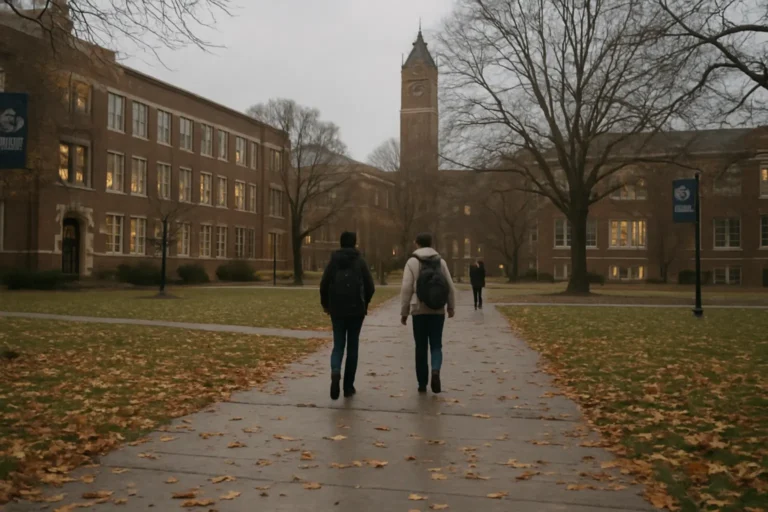
In the current era, the landscape of higher education has become digitally driven, with an increasing reliance on technology transforming how institutions connect with their audiences. Universities and colleges are investing heavily in digital marketing strategies to cater to the evolving needs of students who expect seamless online experiences. The traditional methods of campus brochures and college fairs are giving way to innovative approaches that help these institutions stay ahead of the curve as they work to attract, engage, and retain prospective students in an increasingly crowded marketplace.

This rapidly changing age has seen the education industry experiencing significant transformations in how it attracts, engages, and retains learners through technological advances. As student expectations shift toward instant access and personalized content, educational institutions are increasingly adopting cutting-edge digital tools to stand out in the competitive market. From my years working with various educational organizations, I’ve witnessed firsthand how institutions that explore and embrace the top trends dominate their recruitment efforts, while those clinging to outdated approaches struggle to maintain enrollment numbers. This article explores the key digital innovations shaping the future of how colleges and universities connect with tomorrow’s learners.
The Future Belongs to Digitally-Driven Educational Excellence
As we navigate this rapidly changing age, higher education institutions that embrace cutting-edge digital tools and innovative approaches are dominating their recruitment efforts while creating stronger connections between institutions and the students they serve. The strategic shift from traditional methods to sophisticated digital marketing strategies—encompassing artificial intelligence, virtual reality technologies, social media platforms, data-driven campaigns, and mobile-responsive website design—has transformed how colleges and universities attract, engage, and retain prospective students in an increasingly crowded marketplace. Forward-thinking institutions leveraging personalized course recommendations, immersive virtual tours, community-driven social media engagement, predictive analytics, and comprehensive multimedia strategies are positioning themselves to capture broader audiences while maximizing their marketing budgets and creating meaningful connections that traditional advertising simply cannot match. Educational institutions that successfully integrate sustainability messaging, voice search optimization, seamless mobile experiences, and transparent communication about their commitment to positive societal impact will continue building trust relationships with socially conscious learners who expect their educational choices to align with personal values, ultimately ensuring these institutions stay ahead of the curve in delivering measurable results that enhance the overall student experience and significantly increase enrollment and retention outcomes.
Smart Technology Transforming Student Connections
In today’s digital world, artificial intelligence and AI have become the cornerstone of effective marketing strategies in higher education, with sophisticated tools that enable institutions to automate routine tasks like responding to inquiries, managing admissions workflows, and personalizing communication with prospective students. Chatbots play a pivotal role in delivering 24/7 support, answering FAQs, and guiding students through the application process, while advanced applications analyze data to create highly targeted content and messaging that resonate based on unique preferences, behaviors, and academic interests. The automation of handling bulk outreach efforts frees up teams and gives them time to focus on strategic activities like developing meaningful relationships with potential applicants.
Personalization sits at the forefront of digital trends, with schools and universities using online platforms that are leveraging data analytics and machine learning to deliver personalized course recommendations to both current and prospective students. By analyzing user behavior across educational platforms, institutions can design campaigns that address individual student needs and learning patterns through a tailored approach that enhances the overall experience and significantly increases the likelihood of enrollment and retention. From my work with various universities, I’ve witnessed how this shift from generic mass communication to intelligent, data-driven personalization has transformed recruitment outcomes, creating stronger connections between institutions and the students they serve.
Breaking Barriers Through Virtual Reality
While campus visits have always been a crucial part of the student decision-making process, AR and VR technologies now provide prospective students with immersive virtual tours that are particularly advantageous in the present era for international students living in distant locations who are unable to physically visit. These advanced tools enable learners to explore facilities, attend virtual open houses, and experience realistic day-in-the-life scenarios from the comfort of their homes, while similarly powerful simulations allow them to virtually attend classes, interact with professors, and tour academic departments. From my experience implementing these technologies at various institutions, I’ve seen how giving students a realistic sense of what to expect creates a higher level of engagement that helps attract and create a deeper emotional connection with the institution.
Video content has become one of the most effective tools in digital marketing for education, offering the ability to engage viewers and convey complex information in an easily digestible format that resonates with today’s visual learners. Educational institutions are using dynamic video content to showcase campus life, highlight academic programs, and share compelling testimonial videos that prove especially important in a world where students may not always have the opportunity to visit campuses in person. Live sessions, webinars, and interactive Q&A events with faculty and current students help build a strong sense of community and transparency, creating authentic connections that traditional marketing materials simply cannot match.
The Power of Community-Driven Digital Connections
Social media remains a dominant force in higher education marketing, with platforms where students naturally engage continuing to evolve as TikTok, Instagram, YouTube, and other networks continue serving as critical recruitment tools for forward-thinking universities and institutions. These organizations need to embrace an interactive, community-driven approach to reach Gen Z and Gen Alpha through user-generated content, strategic influencer partnerships, and live-streamed events that have become primary outreach methods. Smart institutions recruit student ambassadors and engaged alumni as authentic influencers who share real stories highlighting the unique campus culture, academic programs, and career opportunities available at their institution, creating connections that traditional advertising simply cannot match.
These platforms have become a key foundation for hosting virtual events, webinars, live Q&As, and admissions sessions where students expect real-time, authentic interaction that offers the perfect environment for creating meaningful types of engagements. Social media continues to play a vital role in comprehensive digital marketing strategies across the education sector, with platforms like Facebook, Twitter, and LinkedIn being used not just for branding and community engagement but also for direct recruitment and admissions processes. These channels offer an effective way to reach a broader audience through real-time communication and provide platforms for peer-to-peer interactions among current and prospective students, and furthermore, educational institutions are actively exploring newer platforms to connect with younger audiences through creative content that resonates with their lifestyles and values.
The Science Behind Smart Student Recruitment
Data serves as the backbone of effective digital marketing strategies in this advanced era of intense competition, enabling higher education institutions to create highly personalized, data-driven campaigns that deliver measurable results. By leveraging sophisticated analytics tools, universities can track the behavior of prospective students, identify their core interests, and optimize marketing messages to fit specific needs with unprecedented precision. Predictive analytics has become an essential tool for identifying high-potential candidates and determining which prospects are most likely to engage with the admissions process, while providing deep insights into demographics, geographics, and psychographics that enable highly targeted campaigns, ensuring institutions get the maximum return on their marketing budgets.
The ability to collect, analyze, and act on student data is transforming how educational institutions plan and execute their outreach efforts, with advanced analytics tools that allow marketers to measure campaign effectiveness, understand student preferences, and refine their tactics based on real-time feedback. This data-driven approach ensures that institutions remain proactive rather than reactive when addressing the evolving needs of both potential and current students, and from my experience working with university marketing teams, I’ve seen how this strategic shift from intuition-based decisions to evidence-based marketing has dramatically improved enrollment outcomes. The ability to track and analyze every touchpoint in the student journey allows educational marketers to create more meaningful connections while maximizing their resource allocation.
Crafting Compelling Digital Narratives
As video consumption continues to rise across all demographics, higher education content marketing must focus on interactive and dynamic forms of storytelling that capture attention and drive action. Universities strategically use multimedia to share compelling promotional content showcasing authentic student experiences, faculty insights, and inspiring success stories, while incorporating interactive elements like quizzes, virtual campus maps, and course selection guides that engage prospective students and help them make informed decisions about their future. Forward-thinking institutions develop comprehensive multimedia strategies that highlight the true value of their degrees by focusing on tangible career outcomes and real-world applications of their academic programs, creating content that resonates with both students and their families.
While traditional blogs and articles remain staple components of educational marketing, successful institutions are diversifying their content strategies to include podcasts, e-books, and detailed case studies that cater to different segments of their target audience while establishing thought leadership in their respective fields. Understanding that student preferences vary widely, smart universities create content for their diverse student body that consumes information in various formats, incorporating interactive elements like infographics and online calculators that focus on increasing user engagement and providing real value that can lead to higher conversion rates. From my work with educational institutions, I’ve observed that the most successful content marketing campaigns blend storytelling with practical tools, creating an experience that both informs and engages prospective students throughout their decision-making journey.
Adapting to the Era of Spoken Searches
Voice assistants like Alexa, Google Assistant, and Siri have become increasingly common tools that higher education marketers must consider in today’s connected world, as institutions need to optimize their content for voice search to remain competitive. Prospective students frequently use voice queries to find information about academic programs, campus life, admissions deadlines, and scholarships, making it essential for institutions to adjust their SEO strategies to ensure their content remains discoverable through voice-activated devices. This shift includes optimizing for conversational keywords and providing concise, clear, and relevant answers to commonly asked questions that students might speak rather than type.
From my experience working with university digital teams, I’ve noticed that successful voice optimization requires a fundamental shift in how we think about search behavior, as spoken queries tend to be longer, more natural, and question-based compared to traditional text searches. Voice search optimization demands that higher education marketers create content that mirrors how people actually speak, focusing on natural language patterns and direct responses to the types of questions prospective students ask when researching their educational options. Institutions that optimize their digital presence for voice assistants position themselves to capture this growing segment of search traffic, ensuring they remain accessible to students who increasingly rely on voice-activated devices for quick information gathering about academic opportunities and campus resources.
Maximizing Digital Discovery Through Strategic SEO
Search engine optimization (SEO) remains crucial for educational institutions aiming to increase their visibility online, with strategic optimization of website content for search engines that helps improve ranking in higher search results and making it easier for potential students to find relevant programs and offerings. This comprehensive approach includes focusing on local SEO strategies that help schools and colleges attract students from specific geographical areas, ensuring that institutions appear prominently when prospective learners search for educational opportunities in their region. Additionally, voice search optimization is becoming increasingly important as more users turn to voice-activated devices like smartphones and smart speakers to conduct their search queries.
From my experience working with university marketing teams, I’ve observed that the most successful educational institutions understand that effective SEO goes beyond basic keyword placement to create a comprehensive digital presence that serves both search engines and human users. Schools that prioritize optimizing their content for both traditional text-based searches and emerging voice search patterns position themselves to capture a broader range of potential students who use different methods to discover programs and offerings. The strategic implementation of local SEO techniques, combined with voice search optimization, ensures that colleges can effectively attract and engage students from their target geographical areas while maintaining strong visibility across all search platforms and devices.
Values-Based Recruitment in the Modern Age
In this educational era, prospective students place greater importance on sustainability and social responsibility when choosing a college or university, driving higher education institutions to increasingly highlight their sustainability efforts and ethical practices alongside their academic offerings. These forward-thinking institutions demonstrate their commitment to diversity and inclusion through strategic marketing campaigns that use digital channels to showcase green initiatives, campus sustainability programs, carbon-neutral goals, and meaningful partnerships with environmental organizations. The focus on transparent communication about societal impact has become essential for engaging the socially conscious student who expects their educational choices to align with their personal values.
From my work with various universities, I’ve witnessed how institutions that authentically integrate sustainability messaging into their digital marketing create stronger connections with students who prioritize environmental and social responsibility. Higher education marketing campaigns now regularly feature campus green initiatives, diversity programs, and ethical practices as core differentiators rather than secondary benefits, recognizing that today’s prospective students expect transparent communication about an institution’s commitment to positive societal impact. Educational institutions that effectively showcase their environmental partnerships, carbon-neutral goals, and inclusion efforts through digital channels are better positioned to attract and engage the growing segment of socially conscious learners who view their college or university choice as a reflection of their personal values and beliefs.
Creating Seamless Mobile Experiences for Today’s Learners
With the increasing use of mobile devices to access information and services, mobile optimization has become a non-negotiable aspect of digital marketing in the education sector, requiring institutions to prioritize mobile-responsive strategies that meet students where they are. This comprehensive approach includes having a mobile-responsive website design with fast loading speeds and mobile-friendly content that adapts seamlessly to smaller screens, ensuring a seamless mobile experience across all touchpoints. The importance of this optimization becomes critical when considering that today’s students rely on their smartphones for everything from browsing educational content to filling out complex application forms, making mobile accessibility essential for successful recruitment and engagement.
From my experience working with university digital marketing teams, I’ve observed that institutions with superior mobile optimization consistently outperform competitors in student engagement and conversion rates, particularly when students use their mobile devices to research programs and complete admissions processes. Educational institutions that prioritize fast loading speeds, intuitive mobile-friendly design, and streamlined mobile application processes create competitive advantages in attracting students who expect instant access to information and services. The seamless integration of mobile-responsive website design with user-friendly content and efficient application forms has proven critical for educational institutions seeking to maximize their digital marketing effectiveness in an increasingly mobile-first world where students expect flawless experiences across all devices.
Managing Legal Requirements in Digital Recruitment
Navigating the complexities of digital privacy laws and data protection regulations such as GDPR in the EU and CCPA in California presents a significant challenge for digital marketers in the education industry, requiring specialized knowledge and careful implementation. Educational institutions must ensure their marketing practices comply with these evolving regulations while continuing to protect student data and build trust with prospective learners who are increasingly concerned about how their personal information is collected and used. The challenge becomes particularly complex when institutions operate across multiple jurisdictions, each with different privacy laws and data protection requirements that impact how digital marketing campaigns can be structured and executed.
From my experience working with university compliance teams, I’ve seen how educational institutions that proactively address data protection regulations create competitive advantages by demonstrating their commitment to student privacy and ethical marketing practices. Marketers in the education industry must navigate these complexities by implementing robust consent management systems, transparent data collection practices, and clear communication about how student information will be used, all while maintaining effective digital marketing strategies. Educational institutions that successfully comply with privacy laws like GDPR and CCPA not only avoid costly penalties but also build stronger trust relationships with students who value transparency and ethical data handling in their educational choices.