Nearly 50 million people worldwide are living with Type 1.5 diabetes – a hidden autoimmune condition that strikes adults and often gets misdiagnosed as Type 2 diabetes. This latent autoimmune disease affects insulin production in ways that leave both patients and doctors confused about proper treatment approaches.
The World Health Organization (WHO) reports this condition represents one of the fastest-growing forms of diabetes globally. Unlike traditional diabetes forms, Type 1.5 diabetes develops gradually in adulthood, making it harder to recognize and properly diagnose.
The Medical Mystery That’s Fooling Doctors
Type 1.5 diabetes, officially known as latent autoimmune diabetes in adults, presents a unique challenge for medical professionals. Dr. Deena Adimoolam explains that this autoimmune disease strikes individuals when they reach adulthood, sharing similarities with Type 2 diabetes in several ways that complicate diagnosis.
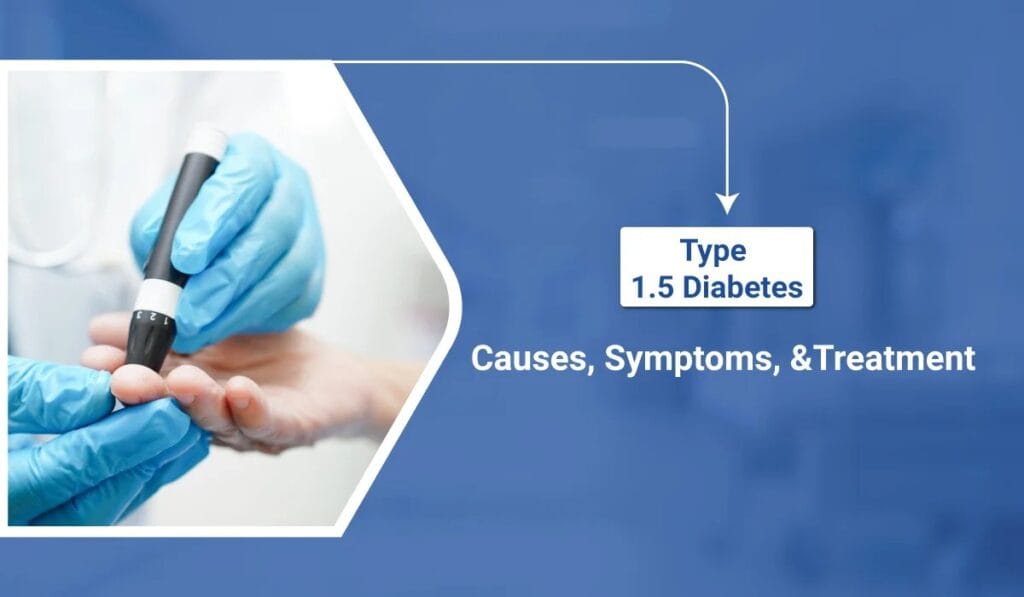
The condition involves decreased insulin production due to decreased functioning of the beta cells of the pancreas. Patients with this form can produce some insulin initially, but not enough insulin to maintain proper blood sugar levels. Over time, they may not produce any insulin at all, requiring different treatment approaches than standard Type 2 diabetes management.
Warning Signs That Doctors Often Miss
The symptoms of Type 1.5 diabetes include standard diabetes markers like nausea, fatigue, and vomiting, but they develop differently than other forms. Patients experience blurry vision, frequent urination, increased hunger and thirst, along with yeast infections and unexplained weight loss that progresses gradually over months or years.
Dr. John Buse from the University of North Carolina emphasizes the critical issue people need to recognize: “If they have ‘Type 2 diabetes’ that does not seem to respond well to usual treatments, they may in fact have Type 1.5.” Research shows this condition overlaps with both type 1 and type 2 diabetes, creating diagnostic confusion that can delay proper treatment for years.
The Genetic Component You Can’t Control
Genetic and immune factors lead to the diagnosis of this autoimmune condition. The term describes patients who have some level of decreased insulin production, but the underlying autoimmune disease process differs from typical Type 1 diabetes that appears in childhood.
There’s a genetic component to the condition, leaving children of someone with Type 1.5 diabetes at higher risk of developing it themselves. Despite advances in medical understanding, there is no bona fide way to prevent a person from getting this form of diabetes, making early recognition and proper treatment crucial for managing long-term health outcomes.
Treatment Approaches That Actually Work
Type 1.5 diabetes can be treated with medication long-term, while some people can avoid using insulin in its beginning stages. Dr. Aminat Ogun recommends that “Management involves lifestyle modifications, like a healthy diet and physical activity” as the foundation of treatment.
These lifestyle changes help reduce the damage diabetes does to the blood vessels in a person’s body. Ogun added that medications to help control blood sugar, like Metformin and Jardiance, plus insulin shots when necessary, provide comprehensive management options. The key lies in recognizing when standard Type 2 treatments aren’t working effectively.
Long-Term Health Risks You Need to Know
The long-term effects of Type 1.5 diabetes include a higher risk of heart disease, similar to other diabetes forms but potentially more severe due to delayed diagnosis. The autoimmune nature of the condition means the body continues attacking insulin-producing cells, leading to progressive loss of pancreatic function.
Proper management through lifestyle modifications and appropriate medications can help control blood sugar levels and reduce damage to blood vessels throughout the body. Early recognition and treatment adjustment can significantly improve outcomes for the millions of people currently living with this misunderstood condition.