Artificial intelligence is poised to eliminate jobs across multiple industries, with translators, court reporters, copy editors, and junior lawyers facing the highest risk as AI systems master repetitive tasks once performed exclusively by humans.
The rise of Generative AI tools like ChatGPT has transformed AI from a distant concept into a societal disruptor affecting everyone with a smartphone. These capabilities now operate in the mainstream, giving people the opportunity to interact with technology in ways previously unimaginable. Yet this progress comes with consequences—jobs across various sectors face elimination as AI learns to subsume work that involves repetitive tasks. The list of positions at risk keeps growing, long past what experts initially predicted.
Translation Services Face Major Disruption
Language has always been a barrier when people from different countries need to communicate. While many countries around the world teach English as a second language, speaking in your native voice remains preferred when groups with different languages must interact. AI translator systems like Google Translate and DeepL now seamlessly provide real-time translation across a multitude of languages, fundamentally changing how global communication works.
Human translators typically work with a limited set of languages they can translate between. AI systems handle up to 200 languages, creating an efficient vehicle to bridge people and eliminate language barriers. This widening footprint impacts global economics and education, facilitating more fluid communication across borders. The technology delivers instant results that would take human professionals significantly longer to produce.
Courtroom Recording Technology Advances
Every courtrooms has a person busily typing on what looks like a miniature typewriter, responsible for recording every word spoken during each proceeding. Their skills are immense given the speed at which they must work and the accuracy demanded of them. An AI system can be designed to record the information being discussed and communicated during such proceedings, transforming Court reporter roles entirely.
A new generation of court reporters would vet and ensure the integrity of court proceedings produced by AI systems. Multiple AI systems can simultaneously transcribe court proceedings, and this duplication can cost-effectively provide the necessary accuracy the legal system requires. The technology is likely to transform rather than completely eliminate these positions.
Copy Editing Shifts to Automation
Newspapers and publishers employ copy editors to edit articles and books. AI systems prove well-suited for this task—learning grammar and tapping into a nearly unlimited number of words allows these systems to polish even the roughest first drafts of any manuscript. Revisions by AI can be done nearly instantaneously, something human editors cannot match.
Every newspaper and publisher can benefit from such a product. Instead of having a group of copy editors on staff, a single IT person can manage the flow of manuscripts being edited by AI systems. However, Editors and managing editors often begin their careers as copy editors, raising concerns about future talent development in the industry.
Legal Support Faces Automation Wave
Every law firm uses junior lawyers, often directly out of law school, to handle numerous tasks including case research, preparing briefings, and supporting expert witness declarations. Because the format and style of many resulting documents are similar, AI systems are well suited to create them. This could reduce the number of junior lawyers required to handle cases, lowering the cost of legal services for clients.
The shift would create a new breed of paralegals with significant IT skills to oversee AI systems that produce such documents. Yet lawyers must go through perfunctory roles as junior lawyers before assuming the responsibilities of overseeing large, complex cases. Eliminating these entry positions could create talent gaps in the legal profession.
The Human Element Cannot Be Replicated
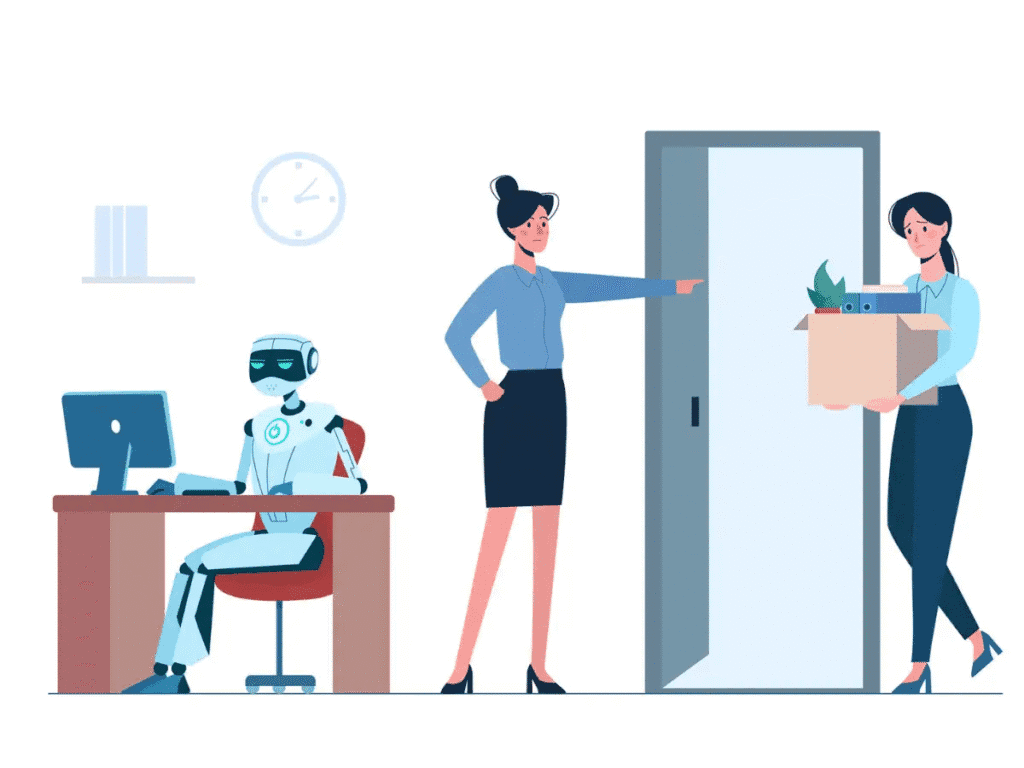
Before permitting AI systems to generate pink slips for these workers, one must look at the entire gestalt of their jobs. Translator and court reporter tasks can certainly be done by AI systems, significantly reducing the number of people in these jobs and saving organizations both time and money. Yet the human element of capturing how people interact would be missed by such a system.
The same words spoken together can mean different things based on the tone or context in which they’re spoken. This is certain to create misunderstandings that AI cannot fully navigate. Jobs at risk of elimination also provide training, serving as stepping stones for higher positions that cannot be replaced by AI systems. The truth holds true across industries—removing entry-level positions eliminates the pipeline for future expertise.
Economic Consequences Beyond Immediate Savings
AI systems continue to push into new domains and transform how work is executed. Much like when U.S. companies move their manufacturing operations overseas to take advantage of lower labor costs, replacing people with AI systems can save money in the short term. However, the price paid for indiscriminately reducing workforces to save money will have unintended downstream consequences that organizations haven’t fully considered.
Instead of fearing what AI will take away, we should embrace the new opportunities that AI will provide. Training people to be part of AI systems has already become a growth industry. The challenge is how to include a larger footprint of the workforce and give them the skills to be part of this burgeoning new economy. Change is never easy, but adaptation remains essential.
Future Talent Voids Loom Large
With each new job impacted by AI systems, new opportunities are certain to emerge. But simply replacing people with AI systems to save money today will create human capital talent voids in the future that AI systems may be unable to fill. Organizations risk discovering that a penny saved by AI today may end up costing many dollars in lost human capital talent in the future.
Sheldon H. Jacobson, Ph.D., a computer science professor at the Grainger College of Engineering at the University of Illinois Urbana-Champaign, uses his expertise in risk-based analytics as a data scientist to address problems in public policy. His perspective highlights the complex trade-offs between technological efficiency and long-term workforce development that organizations must carefully weigh.