Typhoon Ragasa is heading straight for south China with winds reaching 98 miles per hour. The storm poses the biggest threat to areas along the Guangdong coast, where millions of people live. Weather experts are particularly worried about what they call the “dirty side” of the typhoon – the part that brings the worst damage.
The typhoon was recorded moving at 12 miles per hour on Wednesday morning, packing sustained winds of 157 kilometers per hour. When tropical storms like this one approach land, where you live makes all the difference in how badly you get hit.
The Most Dangerous Part of Any Storm
All hurricanes, typhoons and cyclones have two sides – meteorologists call them the “clean side” and the “dirty side.” The dirty side can be 50 percent stronger than the clean side, making it much more destructive.
In the northern part of the world, the right side of a moving storm becomes the dirty side. This happens because the storm spins counterclockwise while also moving forward. When these two motions combine on the right front part of the storm, they create the most powerful winds.
Think of it like a spinning top that’s also rolling across a table. The side where the spinning motion and the rolling motion work together moves fastest. That’s exactly what happens with typhoons.
Why Ragasa’s Right Side Spells Trouble
The right-front section of Typhoon Ragasa will bring the most severe impacts to the Guangdong coastline. This area faces winds that could be much stronger than the storm’s official rating of 98 mph. The forward movement of the whole system adds extra speed to the already dangerous rotating winds.
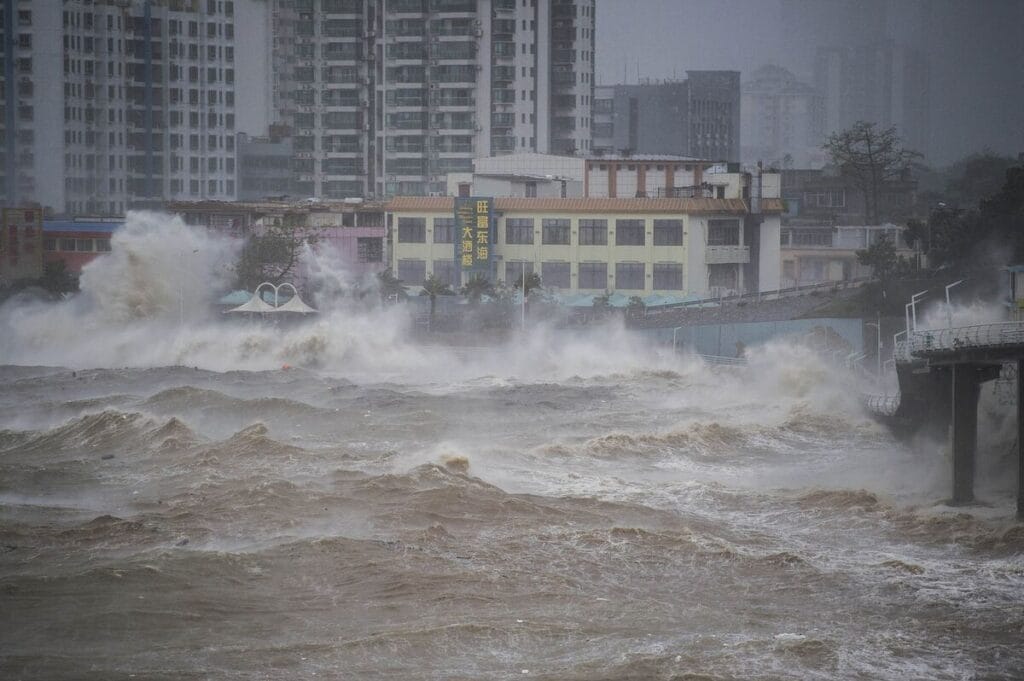
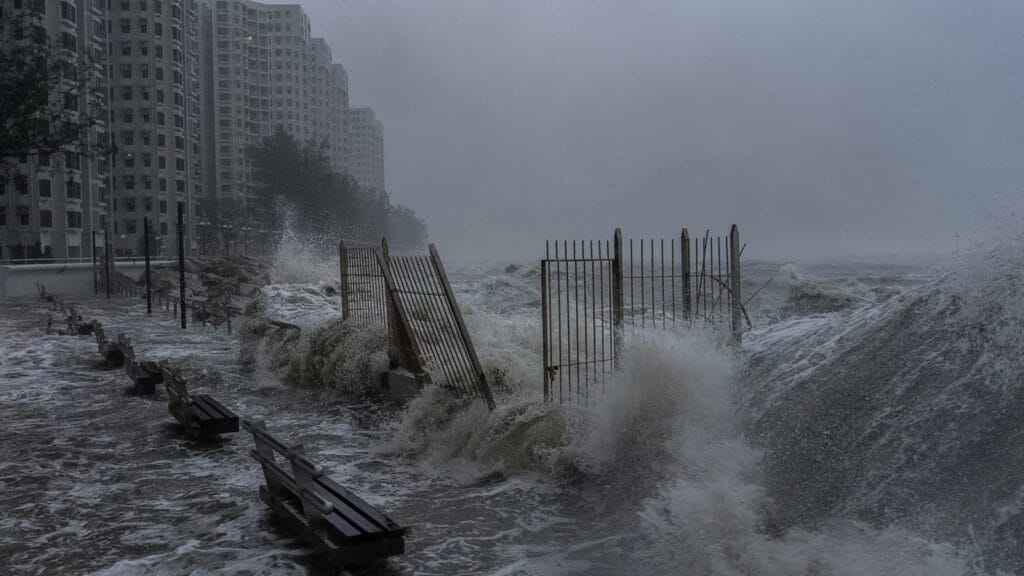
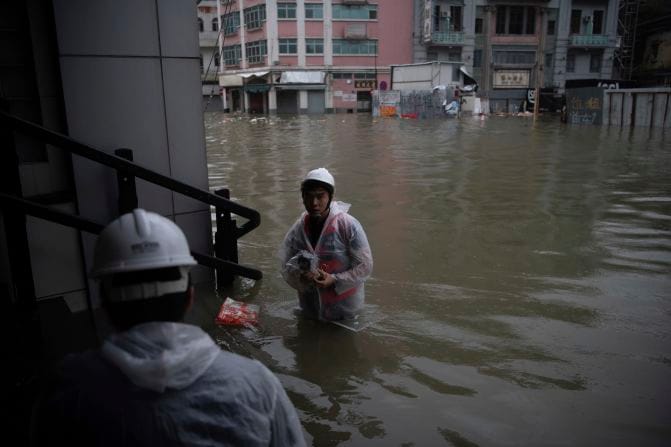
Weather stations report that this part of the storm will also push the most water toward shore. The winds literally shove ocean water inland, creating what experts call a storm surge. For coastal areas in Ragasa’s path, this means flooding that could reach 4 to 5 meters high.
Storm Surge Creates Double Danger
The storm surge represents one of the deadliest parts of any tropical cyclone. As Ragasa’s powerful winds push water from the ocean onto land, coastal communities face serious flooding. This water can travel several miles inland, especially in flat areas near the coast.
Heavy rain from the typhoon will make flooding even worse. When you combine the surge from the ocean with rainfall, many areas could see water levels that break records. Emergency teams are already moving people away from the most dangerous zones.
How Wind Patterns Create Destruction Zones
The way Ragasa spins creates different levels of danger in different areas. On the left side of the storm, winds still cause damage, but they’re not as strong because the forward motion works against the rotation instead of with it.
People living on the right side of the storm’s path will experience the full force of both the spinning winds and the forward movement. This combination explains why the same storm can cause very different amounts of damage in areas that are only a few miles apart.
In the southern part of the world, storms spin the opposite way, so the left side becomes more dangerous. But for Typhoon Ragasa hitting China, the right side will bring the worst conditions.
What This Means for People in the Storm’s Path
Millions of people along China’s south coast are preparing for Ragasa’s arrival. The typhoon’s eye – the calm center – will likely reach land during high tide, which could make the storm surge even higher.
Transportation systems are shutting down across the region as officials prepare for the impact. The combination of extreme winds, heavy rainfall, and coastal flooding creates multiple threats at once.
Weather experts continue tracking the storm’s movement and warn that even small changes in its path could shift which areas face the greatest danger. The dirty side of Ragasa will determine where the most severe damage occurs, making accurate forecasting crucial for saving lives and property.
Local authorities have ordered evacuations from the most vulnerable coastal areas. Emergency shelters are opening across the region as communities brace for what could become one of the strongest storms to hit this part of China in recent years.
The typhoon serves as a reminder of how important location becomes when tropical storms approach. Understanding which side of the storm you’re on can mean the difference between manageable conditions and life-threatening danger.