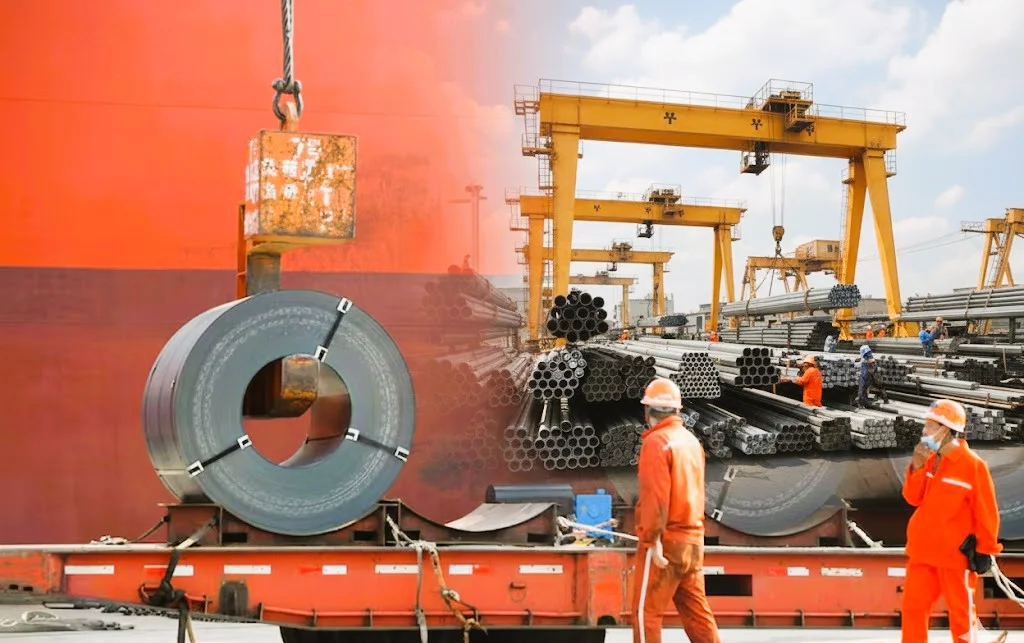
China’s Ministry of Commerce dropped a significant announcement Friday: the world’s largest steel producer will require export licences for certain steel products starting January 1, 2026. This move comes as Chinese steel exports keep smashing records, while overseas countries slam up trade barriers to protect their domestic manufacturers from what they call a flood of cheap material.
Here’s something that catches attention: China shipped 107.72 million metric tons of steel in just the first 11 months of 2025. That’s a 6.7% year-on-year jump, and the annual total looks set to hit a record high when December numbers come in.
Exports have stayed surprisingly resilient since 2023, even though you’d expect them to slow down given all the complaints from trading partners. The Ministry clearly sees a need to step in with licensing controls, though officials haven’t spelled out exactly which products will need approval or how strict the process will be.
Why are Chinese producers shipping so much steel abroad? The answer lies at home. China’s property market downturn has been dragging on for years now, killing demand for construction materials. Real estate developers are struggling, projects sit unfinished, and steel mills face faltering orders from what used to be their biggest customer.
Robust steel exports have helped partly offset this mess, giving mills somewhere to sell their output. But this creates problems elsewhere. When Chinese companies can’t sell at home due to the protracted crisis, they dump massive volumes into international markets at rock-bottom prices. Domestic steel workers in other countries end up paying the price.
The rising outflows of Chinese steel products have triggered serious pushback. A growing number of overseas countries now argue their local industries are getting hurt by unfair competition. The United States slapped tariffs on Chinese steel years ago. Europe followed suit. Now Southeast Asian nations are joining in.
These trade barriers aren’t just symbolic gestures. They represent real anger from manufacturers who say they can’t compete when cheap Chinese products undercut their prices. Some steel mills in importing countries have shut down entirely, blaming the flood of subsidized Chinese material for destroying their business models.
So what happens when the licensing system kicks in on January 1, 2026? That’s still unclear. The China’s Ministry of Commerce announcement didn’t specify which steel products need licenses or how quickly approvals will be granted. Will it be rubber-stamp formalities, or will Beijing use this to actually control export volumes?
If you’re buying steel from China, you’ll want answers soon. Supply chains don’t adjust overnight, and uncertainty about licensing could mess up delivery schedules and contract negotiations. Some buyers might start looking for alternative suppliers just to avoid potential headaches.
China has been the world’s largest producer for decades, and that dominance isn’t changing anytime soon. Even with the licensing requirements coming, don’t expect Chinese steel exports to collapse. The track record since 2023 shows these shipments can stay resilient through almost anything.
What’s really happening here is Beijing trying to thread a needle. On one side, Chinese mills need overseas markets because demand at home stays weak. On the other side, international complaints about trade practices keep getting louder. The licensing system gives officials a tool to show they’re addressing concerns while still letting producers move metric tons of steel across borders.
Steel traders are already gaming out scenarios. Will the licensing process slow down outbound shipments enough to tighten global supply? Or will it just add paperwork without changing the fundamental reality that China produces way more steel than it can consume domestically?
For domestic manufacturers in importing countries, there’s cautious hope that licensing might reduce competitive pressure. But experienced industry watchers remember that Chinese exports have proven surprisingly durable through previous regulatory changes. The robust nature of these outflows suggests mills will find ways to keep shipping material abroad, licenses or not.
The protracted nature of China’s property market problems means pressure to export isn’t going away. Until construction demand recovers at home, mills have every incentive to chase overseas sales, even if it means navigating new bureaucratic hurdles starting in January 2026.