Cornell University announced Friday it has reached an agreement with the Trump administration to unlock more than $250 million in federal research funding that had been frozen for months. The deal ends ongoing federal investigations into claims the Ivy League institution violated civil rights laws through racial discrimination and failed to adequately address antisemitism on campus.
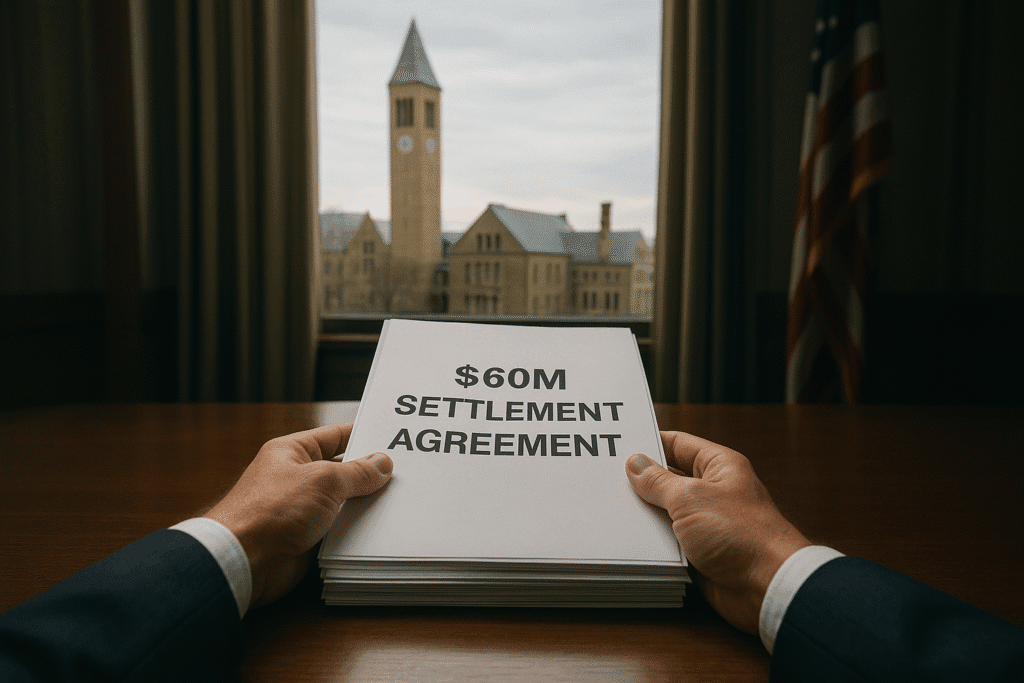
Under the settlement terms, Cornell will pay $60 million total. Half goes directly to the federal government as a penalty, while the other half will fund agriculture and farming programs. In return, Washington has agreed to close all pending investigations and resume the long-standing research partnership that dates back decades.
“University President Michael I. Kotlikoff” described the agreement as protecting Cornell’s academic independence while restoring a crucial relationship with the federal government. “This revives our critical partnership while protecting the commitment to academic freedom and institutional autonomy that have been integral to our excellence since our founding,” Kotlikoff said in a statement.
What Cornell Agreed To Pay
The $60 million breaks into two parts. Cornell owes a straight $30 million fine to federal coffers. The university will invest another $30 million in agriculture and farming initiatives—a nod to Cornell’s historic strengths in agricultural research.
Compared to what other schools have paid, Cornell got off relatively light. Columbia and Brown universities faced much steeper financial hits when they settled similar disputes with the administration. Cornell is now the fifth major university known to have struck a deal with the White House rather than fight it out.
Higher education experts say more schools are choosing this route. The Trump administration has made it clear it’s willing to use funding as leverage to push changes at universities, and most institutions would rather settle than face months or years of frozen grants and damaged reputations.
Ongoing Monitoring Through 2028
Money isn’t the only thing Cornell committed to. The university agreed to keep conducting annual surveys about campus climate, with particular attention paid to how Jewish students experience life at Cornell. University leaders must also hand over anonymized admissions data to the administration through the end of 2028.
“Kotlikoff” himself will personally certify that Cornell is meeting its obligations on a regular basis. The university has also pledged to stay current with foreign gift reporting requirements and undergo reviews as needed.
One catch: the settlement doesn’t prevent the government from launching new compliance investigations down the road. Federal officials retain oversight power even after this deal is done.
Getting Research Back on Track
The immediate impact is that over $250 million in research funding can now flow again. That money had been stuck in limbo during the investigation, leaving faculty members unable to move forward with projects spanning everything from public health to national security research.
The Cornell-federal partnership has produced significant work over the years in agricultural science, health research, and defense studies. Hundreds of researchers and graduate students depend on these federal dollars to keep their work going.
“Liz Huston”, speaking for the White House, called the outcome “a major win for American students.” She credited President Trump’s approach with “restoring academic excellence and accountability in higher education.”
Part of a Bigger Picture
Cornell isn’t alone. The Trump administration is reportedly still negotiating with Harvard and the University of California to restore their funding under similar terms. Pulling federal money has become the go-to tactic for forcing policy changes at elite universities.
The strategy is straightforward: schools either accept settlement terms that include fines, transparency requirements, and ongoing monitoring, or they risk extended investigations that freeze research funding. So far, most universities are choosing to settle. The calculation seems simple—compliance costs less than prolonged fights with the federal agencies that control billions in research grants.
What This Means for Campus Policies
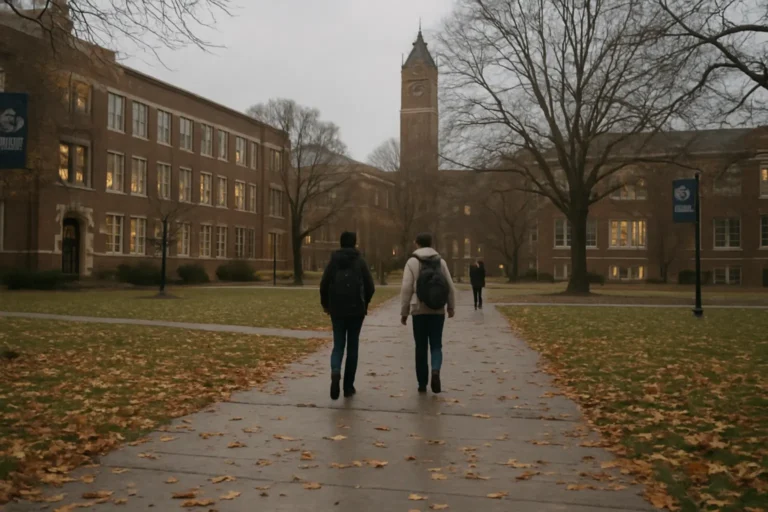
The settlement tackles the discrimination and antisemitism concerns that started the federal investigation in the first place. Cornell must put resources into programs aimed at improving conditions for all students. The mandatory annual surveys will track whether things are actually getting better.
The admissions data requirement addresses worries about potential racial discrimination in who gets accepted to Cornell. While the data will be anonymized to protect applicant privacy, it gives federal officials a window into enrollment patterns.
Universities now face a new reality where institutional independence comes with strings attached. Cornell’s agreement recognizes the government’s authority to ensure schools receiving taxpayer money don’t discriminate. The campus climate initiatives set a precedent for how universities must demonstrate they’re creating safe, inclusive environments.
For Cornell, the deal means research can resume and investigators will back off. For the broader world of higher education, it’s another example of how Washington is reshaping university practices through financial pressure rather than courts. Other schools watching this situation unfold are likely taking notes on what comes next.