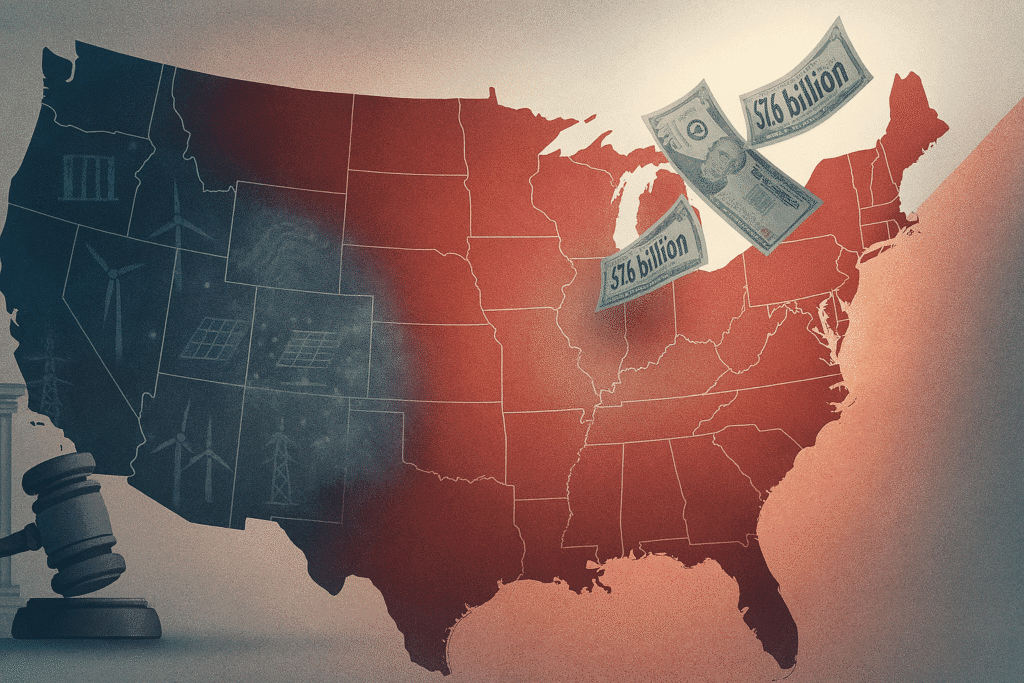
A lawsuit filed this Monday accuses the Trump administration of political retribution after killing nearly $7.6 billion worth of energy projects. The projects were mostly located in blue states, and now environment groups along with the city of St. Paul want a court to restore the funding. They say the cancellations happened because of where these projects were, not whether they were good or bad.
The suit makes a serious charge. It argues the administration broke the First and Fifth amendments by targeting states based on their political leanings. That’s not how federal money is supposed to work in America.
The lawsuit pulls no punches. It says the DOE (Department of Energy) treated terminated and non-terminated awardees completely differently, and there’s only one reason why. “Animus and political retribution are the only explanations for the differential treatment,” the suit states plainly.
Think about what that means. Federal funding got pulled from projects not because they were wasteful or poorly designed. According to the legal filing, they lost money because they happened to be in Democrat-led areas. The groups argue this creates a dangerous path forward where presidents can punish states for how their residents vote.
The constitutional questions here matter far beyond energy policy. If the administration can cancel funding based on political preferences, what stops future presidents from doing the same thing with highways, schools, or disaster relief? That’s the bigger picture these groups are painting.
Last month, everything changed for these energy projects. The Trump administration announced it was canceling funds worth nearly $7.6 billion. The announcement didn’t come through normal channels, though.
White House Office of Management and Budget Director Russell Vought broke the news on social media. He first announced the cancellations in a post that called the funding part of a “Green New Scam” meant to “fuel the Left’s climate agenda.” His post listed out every affected state by abbreviation.
“The projects are in the following states: CA, CO, CT, DE, HI, IL, MD, MA, MN, NH, NJ, NM, NY, OR, VT, WA,” he added. That’s sixteen states total. Russell Vought put the total at “nearly $8 billion” in his social media message, though official figures came in slightly lower.
The OMB Director’s language tells you a lot about how the administration views these projects. Calling it a “scam” and linking it to “the Left’s” agenda makes the political nature of the move pretty clear. That’s exactly what the lawsuit is challenging.
While many of the canceled projects were in blue states, some were also in red states. But the numbers don’t lie. Look at the list Russell Vought put out. Most of those abbreviations represent states that went for Democrats in recent elections.
The city of St. Paul in Minnesota joined the legal fight because they had real projects on the line. These weren’t abstract policy debates. Real communities had plans for energy improvements that would have created jobs and cut pollution. Now those plans are in limbo.
Energy-focused organizations across the country watched as years of work got wiped out. The projects had already gone through approval processes. Money had been promised. Then a social media post changed everything.
Spokespeople for OMB and the Energy Department haven’t said much since the lawsuit dropped. They did not immediately respond to The Hill’s request for comment. That silence is telling.
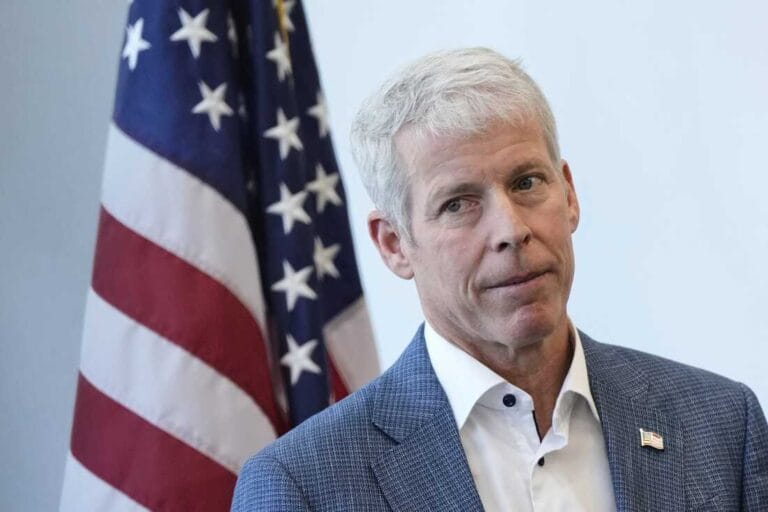
Energy Secretary Chris Wright made one notable statement about this. He has said that projects impacting both Republican and Democrat-led states will see funding canceled this fall. “As this fall goes on, you’ll see cancellations in red and blue states,” Wright told Media outlets.
But that promise of balance doesn’t match what’s happened so far. The current cancellations hit blue states way harder than red states. The lawsuit points to this gap as evidence of political motivation rather than policy concerns.
This court case isn’t just about energy. It’s about whether federal officials can pick winners and losers based on politics. The lawsuit demands the court step in and restore funding that got canceled for the wrong reasons.
If you live in an affected state, you probably noticed when projects in your area got terminated. Maybe a planned solar installation or efficiency upgrade just disappeared from local plans. Those cancellations affect real people and real communities trying to improve their energy infrastructure.
The groups behind the suit argue this kind of targeting violates basic constitutional protections. They say the administration can’t use the Department of Energy as a tool for political retribution against states with different views.
The legal battle will determine whether these project cancellations stand or get reversed. It will also set a precedent for how future administrations handle funding decisions. Can a president cancel money for projects just because they don’t like a state’s politics? That’s the question a court will now have to answer.
The differential treatment between terminated and non-terminated awardees forms the core of the constitutional argument. While the administration claims it’s cutting wasteful climate spending, the lawsuit paints a different picture. It says the real animus is political, and that crosses a line the Constitution doesn’t allow.