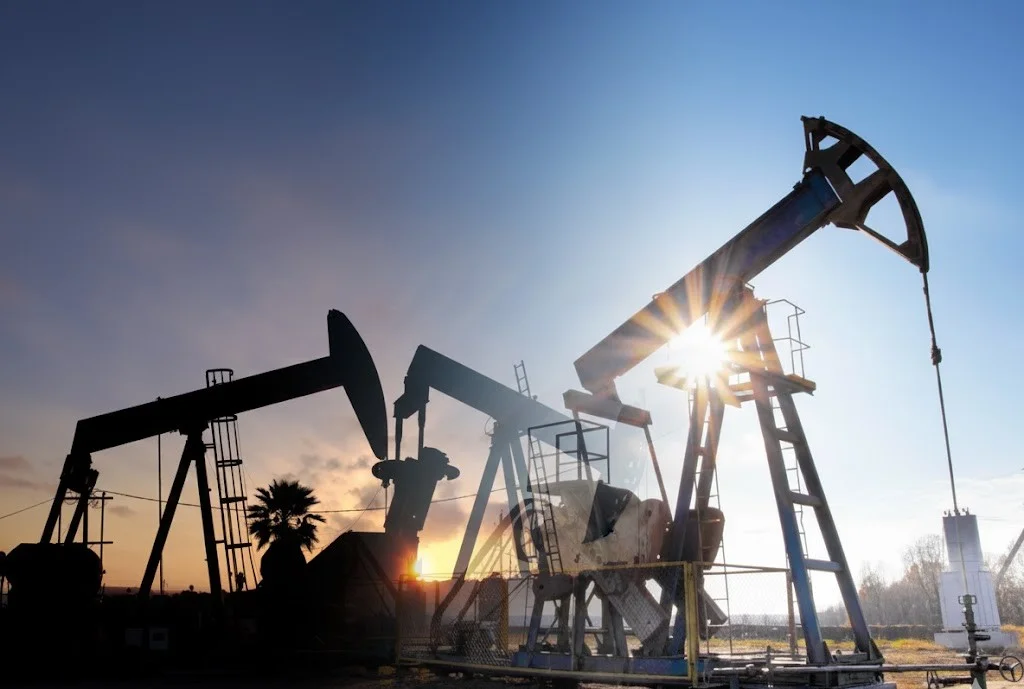
Oil prices trumble as on Tuesday to their lowest point since 2021. U.S. benchmark West Texas Intermediate is now trading at about $55 per barrel, according to Media’s tracker. That’s a massive difference drop from earlier in the week when prices hit $58 per barrel. The last time prices were this low was in early 2021 during COVID-19 lockdowns when oil demand stayed still low and nobody was driving much.
Gasoline prices are down too. Americans pay an average of $2.91 per gallon now across the U.S., which is down from $2.95 a week ago. These relatively low prices mean something concrete for household budgets. Fill up a typical sedan and you’re saving a few bucks each time. Do that twice a week and suddenly you’ve got an extra $30 or $40 monthly. That matters when grocery bills keep climbing.
The lower costs come after the OPEC+ alliance decided to boost output earlier this year. This group of exporting countries announced a series of oil production target hikes that flooded markets with more supply. Saudi Arabia and Russia pushed for higher quotas. Other members went along. More oil means lower prices—supply and demand at work.
The Trump administration has sought to tout these low gasoline and oil prices in recent statements. Campaign events feature those falling numbers at the pump. But energy analysts point out these prices are largely controlled by global factors instead of domestic policy. OPEC+ production decisions matter more. So does China’s economic slowdown. Europe’s industrial demand plays a role. The White House can claim credit, but the market moves on its own logic.
Back in 2021, when we last saw prices at these levels, the world looked different. Oil demand was suppressed because people stayed home. Highways were empty during lockdowns. Airlines parked planes in the desert. Now everyone’s back to normal routines—commuting, traveling, running errands. Yet we’re paying pandemic-level prices at the pump. Strange timing.
The barrel price for West Texas Intermediate dropped fast. When it was trading at its recent high of $58, most traders expected continued strength. Then the OPEC+ announcements hit. Markets adjusted quickly. Now $55 feels almost stable, though some analysts think we could see prices drift lower before producers cut back.
Gasoline prices at $2.91 per gallon sound good compared to recent years. Remember when fuel pushed past $4 in many states? Those days created real financial stress for working families. The current average brings relief, though it varies by region. Some Southern states report prices below $2.50 per gallon. California still pays over $3.50 in most areas. Geography determines what you actually pay.
The exporting countries in the OPEC+ alliance made a calculated bet with their production target hikes. They’re accepting lower revenue per barrel to maintain market share. American shale producers kept pumping despite falling prices, adding to global supply. Everyone’s trying to outlast everyone else. Meanwhile, drivers benefit from the competition.
What happens next? Markets rarely stay stable for long. A refinery fire could tighten supply overnight. Geopolitical tensions in the Middle East might flare up. Economic data could surprise with stronger growth. Any of these scenarios would reverse the downward trend. For now, though, the trading patterns suggest sustained weakness. Futures contracts for months ahead show similar prices.
The week-to-week changes at the pump add up. That four-cent drop from $2.95 might seem trivial. Multiply it across millions of vehicles and billions of gallons consumed, and the numbers get serious. Transportation companies see reduced costs. Shipping firms move goods cheaper. Airlines spend less on jet fuel. These savings ripple through the entire economy, potentially easing broader inflation.
The contrast with recent history stands out. After pandemic recovery began, oil prices surged past $80 per barrel. Some months they touched $90. Political pressure mounted as voters complained about expensive fuel. Now the script has flipped. Cheap energy creates different problems—oil-producing states like Texas and North Dakota depend on higher prices to keep drilling profitable. What helps consumers hurts producers.
Energy markets reflect global factors more than most people realize. The U.S. benchmark price responds to events worldwide. Chinese factory output matters. European heating demand during winter affects trading. Middle Eastern production decisions shape prices. It all connects in ways that make simple explanations impossible. The Trump administration highlights falling costs, but dozens of variables drive these changes. Political rhetoric simplifies what’s complicated.
The OPEC+ alliance holds enormous influence over oil production levels globally. When they announce target hikes, markets react immediately. When they cut output, prices rise. This group of exporting countries coordinates better than most international organizations. Their decisions carry weight because they control so much global supply. Right now they’re choosing volume over price. How long that strategy lasts depends on their internal politics and budget needs.
Media’s tracker shows prices settling around $55 per barrel for West Texas Intermediate. That number represents more than just commodity trading—it affects everything from plastics manufacturing to jet fuel costs. The barrel price serves as a benchmark for countless other products. When it drops this much, the effects spread far beyond the gas station.