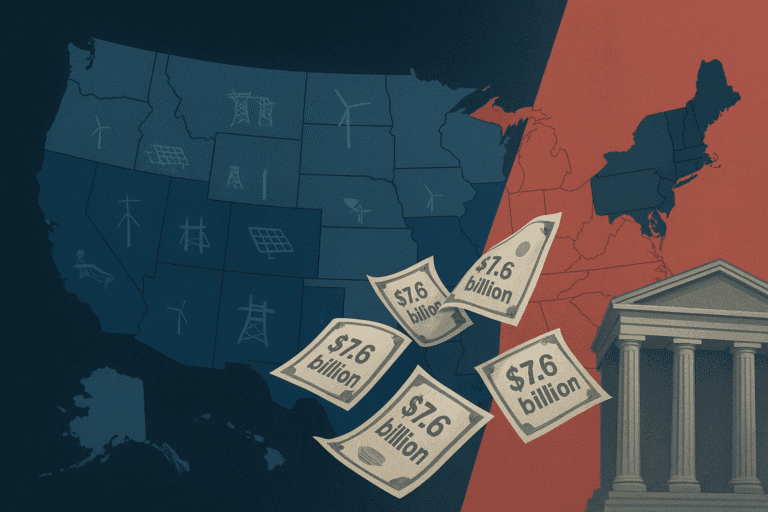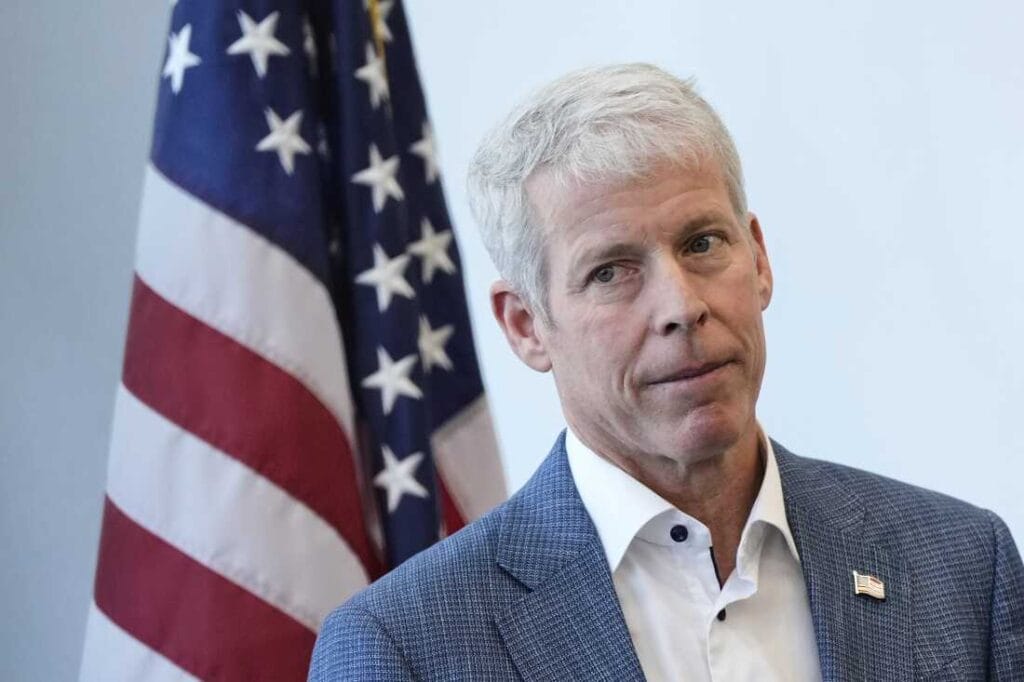
The Trump administration is eyeing additional major cuts to green energy projects worth billions of dollars, with a new list that circulated in Washington this week targeting programs across both red states and blue states. Secretary Chris Wright confirmed the Energy Department plans to cancel additional funding issued by the last administration, building on $7.6 billion in cuts announced last week and $3.7 billion announced earlier this year.
Expanded Termination List Targets Hydrogen and Carbon Capture
The detailed list, reviewed by multiple news outlets including Media, identifies hundreds of further projects whose latest status reads “terminate.” Semafor first reported on what sources described as a “kill list,” which E&E News confirmed with seven people familiar with the department’s internal operations. These additional projects on the chopping block include investment in hydrogen hubs across California and the Pacific Northwest, along with carbon capture facilities and hydrogen energy infrastructure under the Bipartisan Infrastructure Law.
The funds halted represent a significant expansion beyond the cancellations that primarily affect coastal regions. Grants for universities, utilities that operate in various states, and hubs for climate friendly technologies now face potential elimination. Spokesperson Ben Dietderich said in a statement that “no determinations have been made other than what has been previously announced,” though he confirmed the department continues an “individualized and thorough review of financial awards” from the previous administration.
Wright Defends Ongoing Evaluations Process
Chris Wright told Congress in May that evaluations follow a range of criteria to determine which previously funded projects align with the current agenda. “We release these periodically. We released some announcements months ago, we’ll have many more coming this fall,” Wright recently told CNN about the funding cancellations. As this fall progresses, you’ll see project cancellations impacting both political landscapes equally.
The Energy Department assesses whether innovative energy projects are legal, whether the technology is viable, if engineering was done competently, and whether a market exists for what’s being built. Wright emphasized evaluating the financial model, ensuring cofunding is coming together with DOE funding so each project can be complete, and determining if initiatives add to national security or economic security while aligned with administration priorities.
Critics Warn of Economic Consequences
Conrad Schneider, U.S. senior director at Clean Air Task Force, issued a written statement criticizing the move: “DOE is slashing funding to American companies, investors, and communities” across the U.S. He argued the country rightly invested in programs that supported economic growth and workforce development, strengthened global leadership, and catalyzed growth in local economies while positioning America to meet rising energy demands and lowering electricity bills for consumers and businesses.
The move jeopardizes the investments and benefits that companies have already made, according to supporters of these green energy projects. Criticism intensified as the list emerged amid heightened partisan tensions during the ongoing government shutdown, with White House Office of Management Budget director Russell Vought having tweeted about earlier cancellations while threatened federal layoffs loom over agencies.
Broader Pattern Against Renewable Energy
The Trump administration has repeatedly sought to erect barriers against renewable energy and other climate-friendly technologies. Beyond these Biden-era projects under longstanding review, officials have slashed billions of dollars in tax credits for renewables and tried to cancel prior approvals of offshore wind projects. Other agencies, including the Environmental Protection Agency, have sought to claw back previously appropriated green funds.
Wright’s commitment to “restore affordable, reliable, and secure energy” to the American people drives this ongoing review process. The equivalent projects now facing termination span infrastructure that would serve utilities operate across multiple states, representing a shift from the new one targeting only certain regions to a more comprehensive approach affecting the entire country’s energy transition investments.