The energy transition hit a reality check in 2024, with clean energy deployment still growing but facing harder challenges as early wins dry up. Solar PV installations jumped 35% year-on-year while wind added 5% and energy storage surged 76% in megawatt-hour terms, yet commentators and executives warn the easy opportunities have been conquered and what comes next demands smarter policy and honest conversations about costs.
Growth Persists Despite Slowdown Talk
The energy transition refuses to stop despite constant slowdown chatter. EV sales gained 26% according to BNEF estimates that pre-date the end of 2024, and stripping out mainland China’s market doesn’t skew figures enough to change the direction of travel. The Americas and EMEA regions saw sectors continuing to grow, though onshore wind outside of APAC proved a notable exception with installations down due to permitting delays and grid connection queues that remain a bottleneck.
Newer technologies like clean hydrogen face challenges, but latest forecasts predict 16 million metric tons of annual production capacity will come online by 2030, up from nearly nothing today. Even accounting for the Trump effect, US EVs will hit one-third of new vehicles sold by 2035, roughly tripling today’s market penetration. Clean power developers still expect more than 900 gigawatts of new solar, wind and storage built through 2035 even if investment and production tax credits get fully repealed.
The Easy Wins Are Gone
Clean energy technologies will keep growing, but the energy transition won’t feel easy anymore. Early adopters in richer countries already bought EVs and home solar systems, while renewables developers snapped up the best sites with the cheapest grid connections in the most economically and politically stable markets.
These early movers drove down costs and brought technologies to scale, but achieving scale means growth rates start to fall. EV sales globally grew to 17.2 million units, approaching a quarter of all new car sales—strong growth but much slower than the 60% and 34% growth rates seen in 2022 and 2023. The numbers are starting to look fairly linear, with the global EV market growing by a steady 3.3 to 3.9 million units each of the last four years.
Solar Hits Maturity in Advanced Markets
The solar sector may follow a similar path. Annual solar installations have quadrupled since 2020, but forecasters predict just 11% growth in 2025 with more or less linear growth thereafter. Several advanced markets are reaching high penetrations of solar—Greece and Spain, for example, likely drew 20% of their electricity from solar last year, which drives down mid-day power prices and necessitates new revenue models and increased storage deployment.
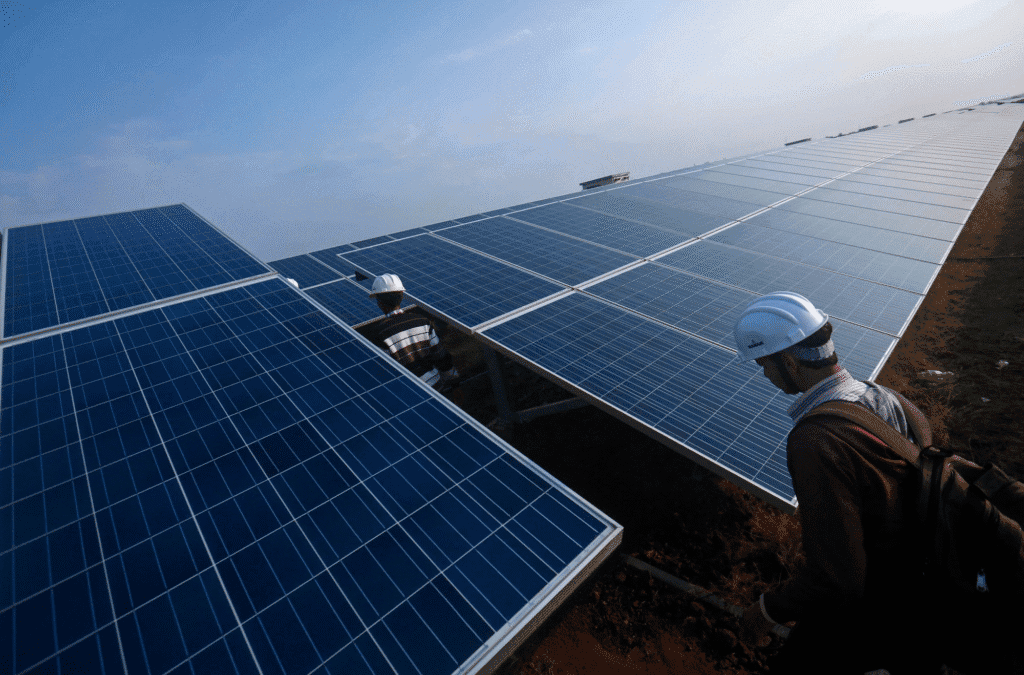
Emerging markets prove a bigger driver for the future, as India, Pakistan, Turkey, Saudi Arabia, and Romania all posted more than 50% growth in solar installations. However, these countries still lack the regulatory and market environment needed for large-scale clean energy adoption. The next phase means unlocking storage and flexibility in mature renewables markets, getting charging infrastructure right to support mass-market drivers and truck fleet operators switching to EVs, and driving demand for clean fuels in aviation, shipping, and heavy industry.
Misinformation Masks Real Policy Failures
Real challenges are often accompanied by exaggerated ones. The EV slowdown story largely focused on the EU where sales growth did slow down, but the truth is more nuanced. By summer 2024, Germany’s EV sales slipped into double digits from 20% the year before, but news reporting failed to point out there had been a surge triggered by the ending of a subsidy regime.
The European Environment Agency confirmed 98 out of 101 automakers met their binding CO2 emissions targets. EU-wide targets remained the same from 2021 to 2024, so automakers met targets by keeping sales roughly flat in Europe. Since emissions targets don’t tighten until 2030—remaining flat again until 2029—the rational automaker strategy would be waiting before launching improved, competitively priced EVs while deferring price cuts even as battery prices fell to a new record low.
Returns Matter More Than Good Intentions
Energy transition investments only succeed when they generate risk-adjusted returns that meet the requirements of companies and their investors. This truism reared its head in the hydrogen sector where levelized costs now sit 35% higher on average than two years ago at $3.74 to $11.70 per kilogram depending on geographical location.
An ammonia auction by Germany’s H2Global Foundation priced green ammonia imports at double the price of gray ammonia in western Europe, and there are now very few places where clean hydrogen can compete with the gray variety by 2050. Governments serious about driving hydrogen use in fertilizers, chemicals, and steel must make sure long-term incentives and demand-side policy are in place, including carbon pricing or subsidy. Benefits should be counted not only in carbon emissions but also enhanced energy security.
Offshore Wind’s Cautionary Tale
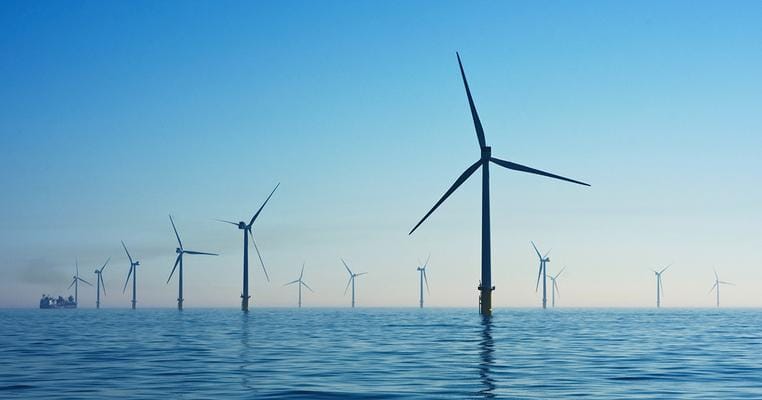
The offshore wind industry offers a cautionary example. Zero-subsidy projects in the late 2010s led national and state agencies in Asia to set up auction processes awarding the cheapest power purchase contracts to the most aggressive bidders. This ultra-competitive approach delivered impressively low clean power prices but squeezed wind turbine manufacturers’ margins even before the inflation surge of 2022-23.
Rising costs have led to failed auctions in various countries and canceled projects in other markets. Most recently in December, an offshore wind auction in Denmark failed when developers were expected to pay for the right to develop their power plant with no revenue contract on offer. A number of oil and gas companies moved to limit their exposure, demonstrating that policy regimes still need to attract private sector investment.
Banks Need Better Conditions
Banks including JPMorgan, Citi, and RBC committed to publish their ratios of clean energy financing to fossil fuel financing, while BNP Paribas set a target of 90%—or a 9:1 clean-to-fossil financing ratio. These metrics represent a big step in the right direction and will likely form a key part of banks’ transition plans.
However, banks cannot achieve these ratios on their own. Conditions in the real economy must exist that allow attractive risk-adjusted returns on investments, and only the government can create those conditions through supportive policy regimes.
Competition Replaces Opportunity
The narrative around multilateral climate action has shifted from sacrifice to opportunity, then from opportunity to competition. Countries now focus on hard-nosed calculations of how much economic value and national security benefit they can capture from new industries and how they can compete against geopolitical and economic rivals. Climate concerns haven’t gone away, but they’ve had a strong dose of realism injected into them.
This shift is understandable—several major economies whose steel industries are predicated on access to cost-competitive coal resources may never be cost-competitive hydrogen producers. The shift from coal-based to hydrogen-based steel may permanently alter their competitive position in the global industry.
Over-Capacity Creates Manufacturing Pain
In clean-tech manufacturing, especially batteries and electrolyzers, massive investment has created significant over-capacity globally, with nameplate capacity outstripping demand by more than double. Prices for key technologies have fallen to new lows, bringing pain to manufacturers. The electrolyzer manufacturing sector could experience a similar supply glut that China has suffered.
Western markets struggle as battery factory projects remain not fully cost-competitive despite global battery prices falling 20%, driven by declining battery metal prices and intense competition among lithium-iron-phosphate battery producers. In the US and India, developers continue to pay over the odds for solar equipment because of trade tariffs. The EU is trying to use tariffs to slow imports of Chinese-made EVs and protect its wind sector and fledgling electrolyzer industry.
The Path Forward
Policy makers are choosing a costlier transition expecting this will reap economic, security, and political benefits. Brazil and Canada have also raised or introduced tariffs on clean-tech imports. Chines and other Asian companies built a clear lead in new energy manufacturing through scale, cost, technology, and know-how, yet they’re nursing wounds over low or negative margins while searching for new overseas markets.
Countries should focus on limiting excess investment in specific over-supplied technologies while looking for opportunities where they may possess competitive advantage. Not every country needs to be a solar-cell or battery maker. Diversifying supplies for security purposes does not have to mean onshoring everything. Governments must remain focused on creating supportive policy regimes to create demand for clean tech, because shutting out foreign companies will raise costs for end users and prevent the spread of much-needed technical know-how and innovations. Countries would be better off working out how to productively bring the expertise of the world’s leading companies onto their shores through joint ventures, intellectual property arrangements, or fostering dynamic local industry around installation, operations, maintenance, and end-of-life management.
Countries heavily dependent on fossil fuel imports carry significant geopolitical and energy security risks, and as they transition to a cleaner energy mix, these risks recede even if clean technologies are imported. Geo-economic competition is inevitable, but countries have a choice in how to address it, and those choices will shape the decades beyond 2025.