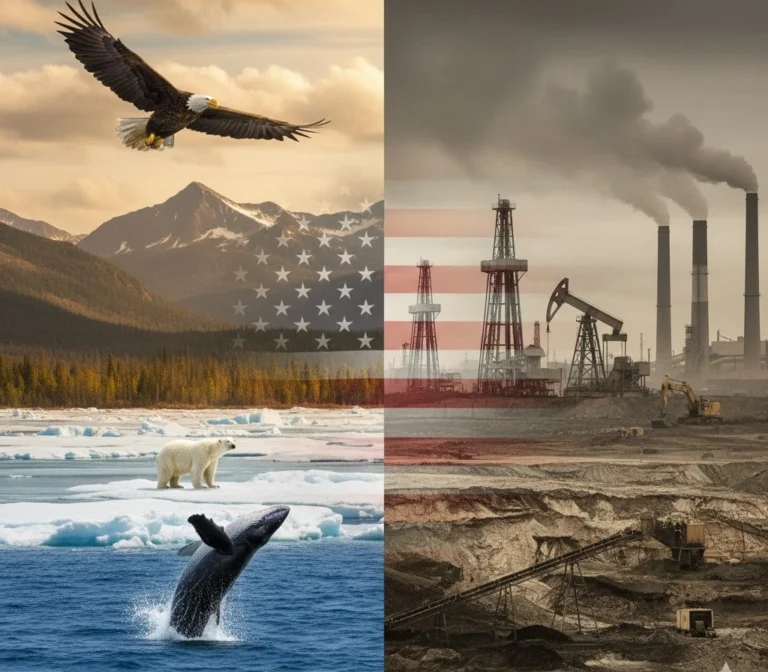
The Trump administration is rolling back environmental rules to help the U.S. coal industry. The Environmental Protection Agency wants to delay Biden-era standards by five years, and the Interior Department plans to open 13.1 million acres of federal land for coal leasing. Officials say these changes will help meet growing electricity demand from artificial intelligence data centers.
The EPA says it might weaken rules that restrict how much pollution power plants can release into waterways. Interior Secretary Doug Burgum calls the push for more coal essential to national energy security. He compared it to the Manhattan Project during a recent briefing. The EPA put out a press release asking for information about challenges with the Biden-era rule so it can figure out what to do next. Agency officials indicated they could take further steps beyond just postponing the deadline.
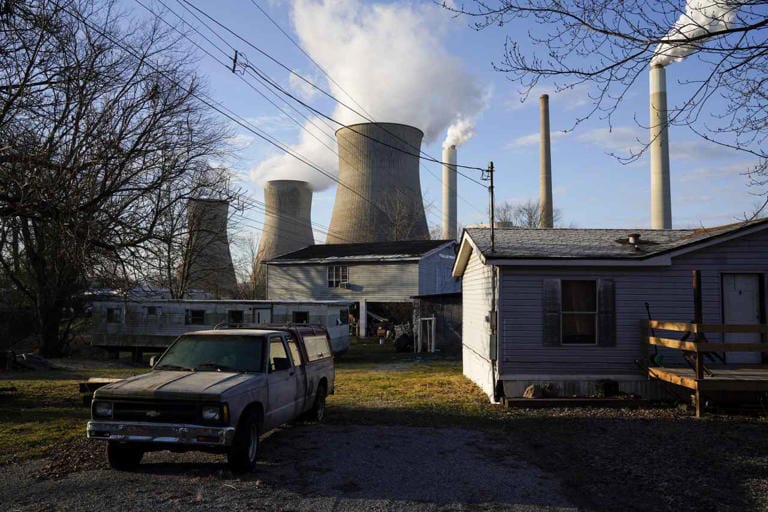
The rule everyone’s talking about was supposed to reduce pollution from mercury and arsenic. These harmful heavy metals cause serious health impacts. If the old standards had gone into effect, power plants would need to cut back on toxic waste going into rivers and streams. That would have meant fewer cancer cases and cleaner water for people living near coal facilities. Now those protections won’t happen until 2030. The regulation changes represent some of the biggest efforts to weaken pollution reduction rules we’ve seen in years.
The Interior Department also announced plans to open up huge amounts of public lands that were blocked off before. A spokesperson said they’re opening up areas in North Dakota, Wyoming, and Montana for coal leasing. These states have some of America’s biggest coal deposits. Mining companies have worked in these regions for generations. Opening 13.1 million acres of federal land is a massive expansion for fossil fuel development.
People in the coal business like the changes. They say access to federal land keeps American energy production going. But others worry about coal’s significant contributions to climate problems and local pollution. The land leasing process takes years from approval to actual mining, so we won’t see the full effect of these new areas right away.
The Energy Department announced it’s putting $625 million toward supporting coal through different programs. That includes $350 million for recommissioning and retrofitting plants so they can provide near-term power. There’s an additional $175 million going to projects in rural areas. This is a big investment in coal when most power companies have been moving toward renewable energy.
Nobody’s quite sure where the funds come from though. It’s not entirely clear which budget this money comes out of. A department spokesperson didn’t immediately respond when the Media asked about it. The 625, 350, and 175 million dollar amounts show a real plan to keep coal plants from shutting down. People in rural communities who work in coal see this investment as keeping their towns alive.
Doug Burgum, who runs the White House National Energy Dominance Council, says the coal push is part of helping AI grow. “This is as critical as any Manhattan Project we’ve ever talked about,” Burgum told reporters. “If we don’t win on that front, we are defenseless. The battle for electricity is what we’re pursuing.” He’s connecting coal power to artificial intelligence because of electricity demand going up.
Tech companies building AI data centers need tons of electricity. The Trump administration says meeting this increased electricity demand that comes with the rise of AI means we need to bolster fossil fuels like coal. They’re treating it as a national project for energy security. But they’ve also made moves to hamper renewable power at the same time. Experts think AI will drive up power demand a lot over the next ten years.
Environmental advocates hit back hard at these decisions. “The Trump administration’s reckless actions announced today will hurt the American people, all to prop up the aging and outdated coal industry,” said Sierra Club Chief Program Officer Holly Bender in a statement. The Sierra Club and other environmental groups have watched pollution contributions from coal plants for decades.
“Rather than investing in clean, affordable energy to power our country, more coal will increase deadly air pollution, poison our water with harmful heavy metals, and drastically worsen the health of our loved ones,” Bender told reporters. Environmental critics say the coal industry can’t compete without government help. Research shows air pollution from coal causes breathing problems. Water pollution from coal ash gets into drinking water. The health impacts reach far beyond mining towns since mercury travels through the air before landing in lakes and rivers.
These coal regulations are just one piece of what the Trump administration keeps doing to expand fossil fuels. The coal part comes with faster oil and gas permits, looser car emission rules, and fewer protections for animals that might slow energy work. Officials say these moves protect national security and help the economy stay strong.
Getting coal going again won’t be easy though. Natural gas and renewable energy cost less now. Lots of power companies have already shut down coal plants or said they will. The big question is whether looser restrictions and money can turn coal around. People who study energy markets say coal still faces big challenges – old equipment, cheaper competition, and investors who don’t want to back projects that produce so much carbon.