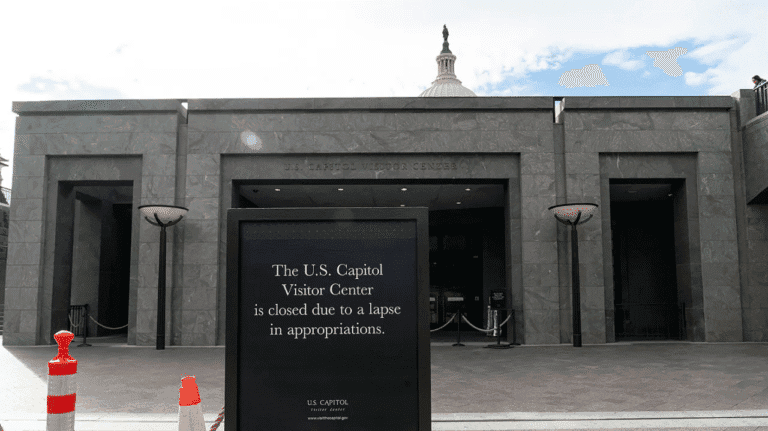
National parks will stay open even as the federal government shuts down, according to a plan made public Tuesday evening by the National Park Service. Roads, trails, and memorials across the country remain accessible to visitors, though the NPS is sending home roughly 9,296 of its 14,500 employees. The strategy relies on fee revenues collected at park entrances to keep basic services running during the political standoff in Washington.
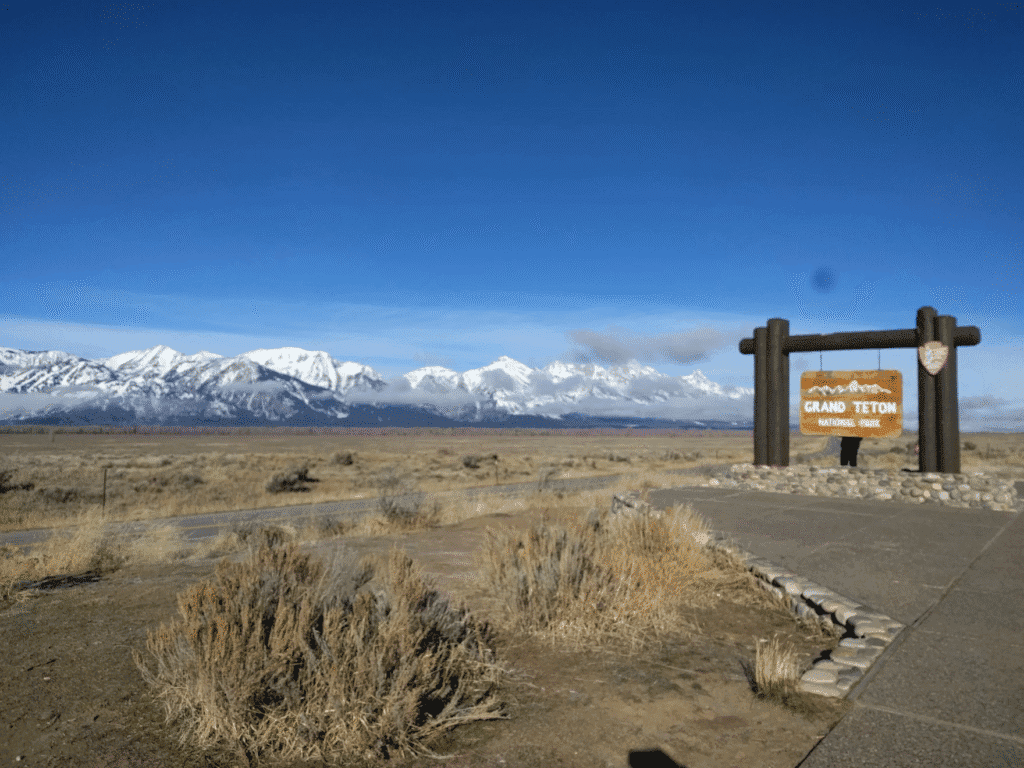
The shutdown contingency plan takes a different approach than previous government funding gaps. Park roads, lookouts, trails, and open-air memorials will generally stay accessible rather than being closed off with barriers and signs. This decision came after widespread criticism during earlier shutdowns when iconic sites were completely closed to visitors who had traveled long distances to see them.
But visitor experiences will look noticeably different. Most staff won’t be working, which means fewer rangers on trails, empty visitor centers, and limited interpretive programs. The park service plans to furlough about 64 percent of its workforce, leaving skeleton crews to handle essential functions. Those remaining employees will focus on law enforcement, emergency operations, and basic maintenance tasks that directly affect visitor safety.
The financial mechanism keeping parks open involves the Federal Lands Recreation Enhancement Act. This law allows sites that collect fees to use those revenues immediately without waiting for congressional appropriations. Parks that charge entrance fees, camping fees, or special use permits can spend that money on maintaining restrooms, collecting trash, maintaining roads and campgrounds, law enforcement patrols, and emergency services.
This fee collection system becomes the lifeline during the shutdown. High-traffic locations that generate substantial entrance revenue can sustain themselves even when federal funding stops. Parks without fee programs may have more limited access or fewer services available. The approach recognizes that national parks function largely as open spaces where visitors can explore responsibly without constant staff supervision.
Staff members facing furlough will experience immediate financial hardship. About 9,296 employees won’t receive paychecks during the shutdown, creating stress for families who depend on those salaries. Many of these workers live in gateway communities near parks, where local economies also suffer when visitor services decline. Even though parks remain open, reduced staffing may discourage some travelers from visiting.
Gateway communities face their own challenges. Local businesses count on tourist spending that flows through national parks. Restaurants, hotels, and shops near popular sites could see decreased revenue if visitors perceive diminished experiences or choose to delay trips. The economic ripple effects extend beyond park boundaries into towns that have built their identities around nearby natural treasures.
The contingency plan states that basic visitor services will continue at fee-collecting sites. This includes restroom maintenance to prevent unsanitary conditions, trash collection to stop wildlife conflicts, road maintenance to keep routes passable, and campground operations for overnight visitors. Law enforcement rangers will continue patrols funded by entrance fees, while emergency operations teams remain ready for search and rescue missions.
Visitors planning trips during the shutdown should expect self-service experiences. Bring your own maps since visitor centers may be closed. Plan for limited assistance since few rangers will be available. Pack out all trash and follow Leave No Trace principles more carefully than usual. The park service is counting on visitors to be responsible stewards while staff numbers are drastically reduced.
The Tuesday evening announcement provided clarity for travelers who had booked trips or were planning visits. Parks will remain accessible rather than being barricaded, though the experience won’t match normal operations. This middle-ground approach attempts to balance public access with reduced resources during the federal funding lapse.