The Trump administration wants to cut protections for threatened species starting this week, a move that could reshape how America saves wildlife. Interior Secretary Doug Burgum rolled out the plan Wednesday, saying it fixes regulatory overreach while critics argue it puts animals like the polar bear at risk of going extinct. The changes affect how we designate and protect endangered species across the country.
Right now, threatened species get the same protections as endangered ones under existing rules. Think of threatened as a step below endangered on the danger scale. The administration wants newly designated threatened animals and plants to lose automatic safeguards. That’s a big deal because it means wildlife gets less help when scientists first notice trouble.
The proposed changes also make it harder to add species to protected lists in the first place. You’d need more proof of danger before federal protections kick in. Environmental groups spent years building the current rules to balance science with real-world needs. Proposing to axe parts of that framework worries people who’ve watched species recover from near-extinction.
Doug Burgum thinks the old system went too far. “This administration is restoring the Endangered Species Act to its original intent,” he said in a written statement on Wednesday. He talks about protecting species through “clear, consistent and lawful standards” that also respect how Americans make a living off land and resources.
The Interior Secretary described his approach as “striking the right balance” between conservation efforts and jobs. He claims the revisions end legal confusion that’s frustrated states, tribes, landowners and businesses for decades. Burgum wants ensuring wildlife survival without stifleing economic development. His plan promises certainty by delivering rules grounded in what he calls sound science and common sense.
But that balance looks different depending on where you stand. Energy companies see stringent environmental regulations as obstacles. Conservation groups view those same protections as necessary tools to protect species from harm caused by drilling, mining and development.
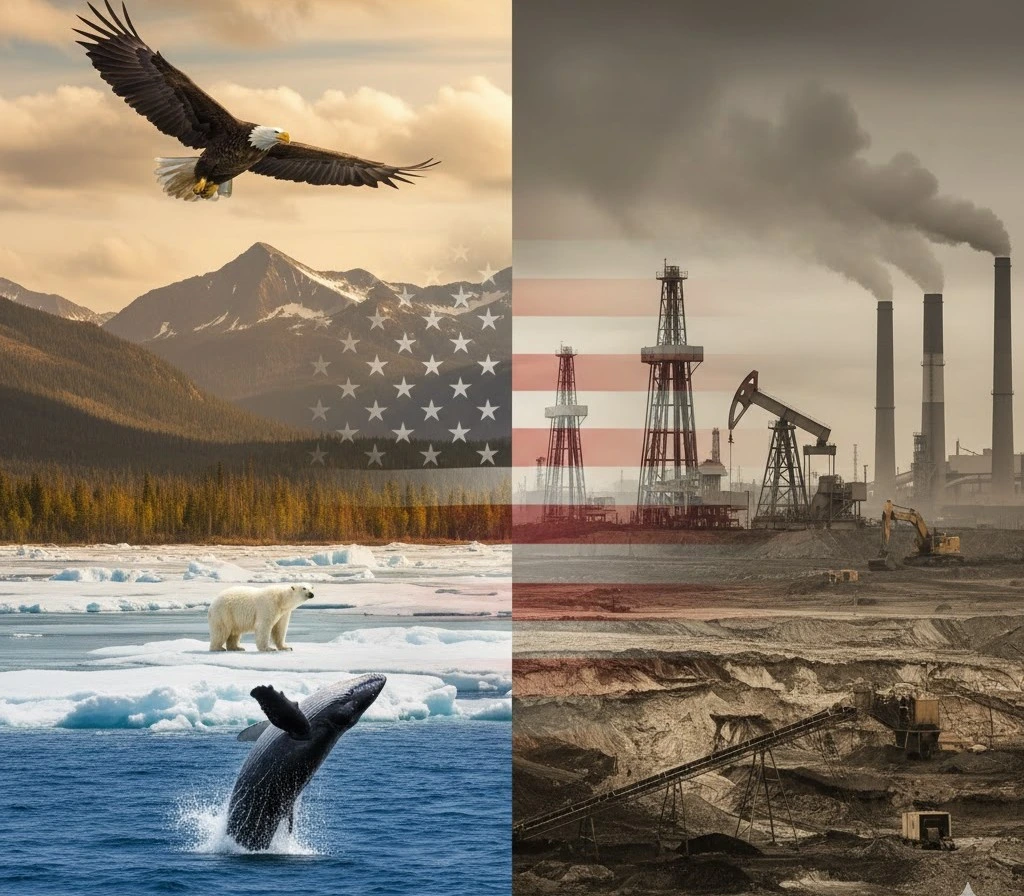
Stephanie Kurose from the Center for Biological Diversity isn’t buying the administration’s reasoning. She’s a deputy director of government affairs there and has strong words about what these changes really means. “If these rules had been in place back in the 1970s, the bald eagle, the gray whale might not be around today,” Kurose told reporters.
She sees the revisions as a gift to industry rather than genuine reform. “This isn’t about protecting endangered species. This is about the biggest companies in the country wanting to drill for oil and dig coal, even if it causes wildlife like the polar bear and other iconic species to go extinct,” Kurose said. Her organization represents supporters who believe economic pressure shouldn’t override species survival.
The phrase “lonelier world” came up in her comments. She’s talking about losing animals that define American landscapes and ecosystems. Once a species disappears, you can’t bring it back. That permanence makes the stakes higher than typical policy debates.
Here’s something worth knowing: the previous Trump administration similarly rolled back Endangered Species Act safeguards during his first term. Some of those protections rolled back by Trump were later reinstated under the Biden administration. So we’ve seen this movie before, and it doesn’t surprise anyone following environmental policy closely.
The pattern creates real problems for people trying to conserve habitat or plan businesses around wildlife rules. Landowners make long-term decisions based on what protections they think will apply. Tribes develop conservation efforts that depend on stable federal standards. When regulations flip every few years, nobody gets the certainty they need.
Environmental lawyers spent time under Biden restoring protections that Trump removed. Now they’re preparing to fight these new proposing changes through courts and public comment periods. The regulatory ping-pong continues.
The economy versus wildlife framing misses important nuances. Coal, oil and mining interests obviously benefit when habitat protections loosen. They can access land and resources that were off-limits before. Construction companies and developers also gain flexibility when threatened species lose automatic safeguards.
But livelihoods connect to healthy ecosystems too. Tourism around wildlife generates revenue in many states. Commercial fishing depends on marine species that need habitat protections. Native tribes have cultural and economic ties to animals and plants that go back generations.
The administration argues current rules create legal confusion and block promoting growth. Critics counter that weakening protections now will drive more species toward extinction, creating bigger problems later. Stephanie Kurose and other experts point to the 1970s when America decided saving iconic species like the bald eagle mattered more than short-term economic gains.
Doug Burgum wants ensuring both wildlife survival and human prosperity. Whether his revisions actually achieve that balance or subject endangered species to difficult new threats will play out as the rules go into effect. Public comment periods give you a chance to weigh in before these changes become final.