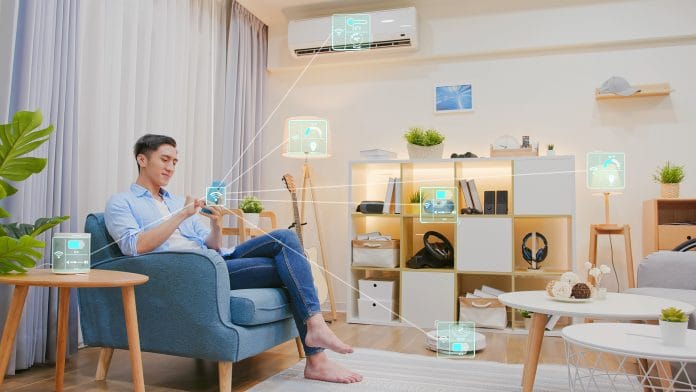
Remember when smart homes seemed like expensive toys for tech nerds? Well, things have changed big time. I’ve been testing smart home gadgets for three years now, and 2025 feels like the year everything finally clicked together.
My neighbor Sarah just saved $340 on her winter heating bill using a $200 smart thermostat. That’s real money, not some marketing promise.
What’s Actually New This Time
Smart homes used to be frustrating. You’d buy a smart light bulb, then realize it couldn’t talk to your smart speaker. Different apps for everything. Half the stuff stopped working after updates.
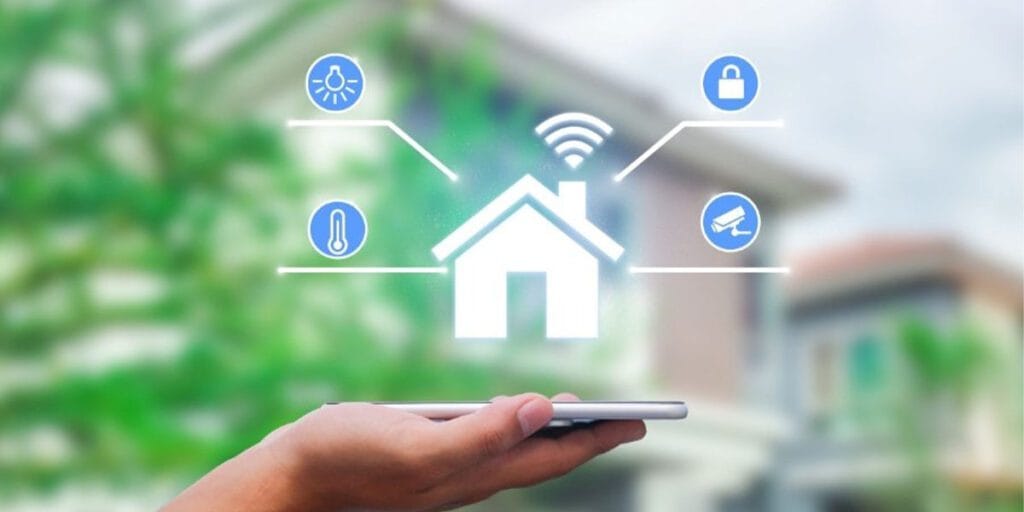
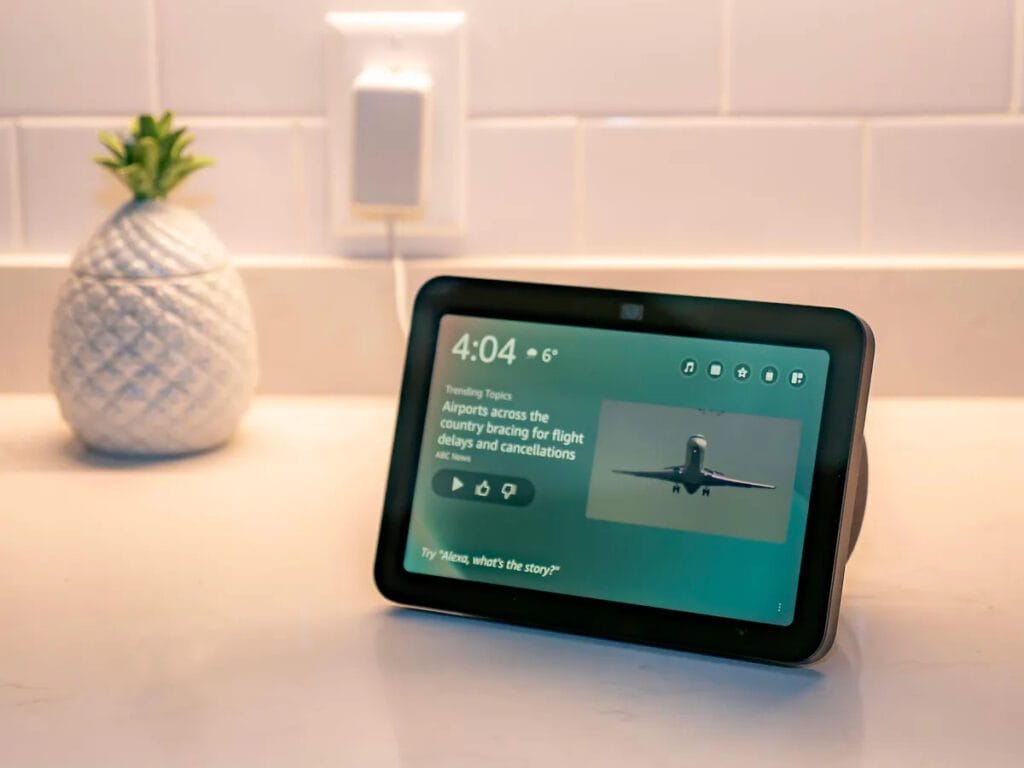
Now? Most devices just work together. My Amazon Echo controls my Philips lights, Google thermostat, and Samsung TV without any weird workarounds. The tech companies finally agreed on standards.
But here’s the real game-changer: these systems actually learn. My thermostat figured out I leave for work at 7:45 AM on weekdays. It automatically drops the temperature at 8 AM and warms up the house by 6 PM when I get back. I never programmed this – it just learned.
The Stuff That Actually Matters
Your Energy Bills
Let’s talk money. Energy costs are brutal right now across North America and Europe. Smart thermostats are the MVP here. They don’t just let you control temperature remotely – they optimize everything automatically.
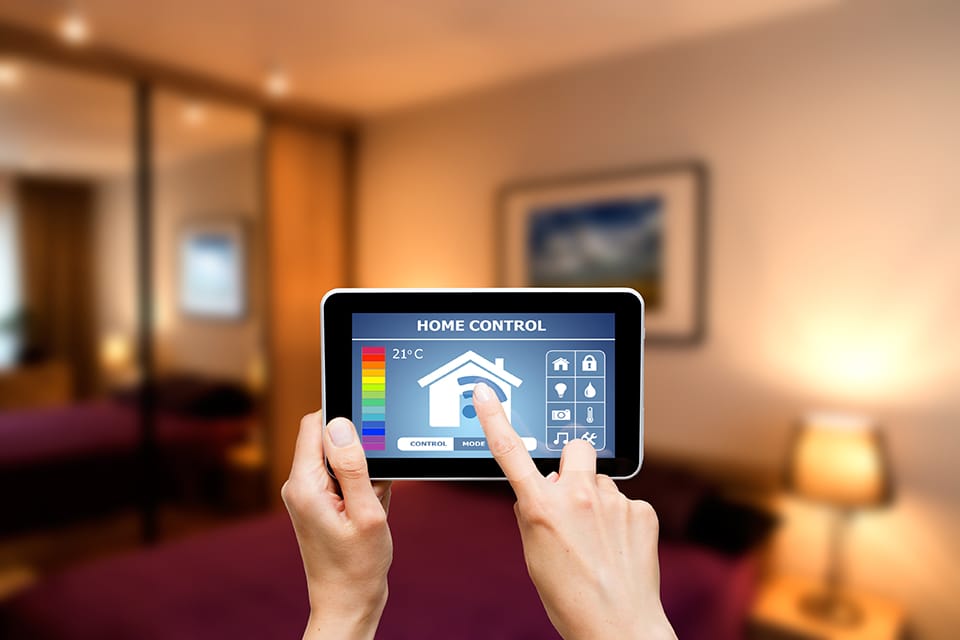
My friend in Toronto saw a 28% drop in his heating costs last winter. The system learned his family’s schedule and stopped heating empty rooms. Simple but effective.
Smart water heaters are another winner. They heat water right before you need it instead of keeping a tank hot all day. One family in Melbourne told me they cut their hot water costs in half.
Security That Doesn’t Suck
Old security systems were either too sensitive (every cat triggered an alarm) or missed actual problems. New smart security uses Artificial Intelligence to tell the difference between your dog, the mailman, and an actual intruder.
Video doorbells have gotten scary good. Mine recognizes my face, my wife’s face, and regular delivery drivers. When a stranger approaches, it sends me their photo instantly.

The best part? No monthly fees for basic features. Ring and others tried charging for everything, but competition forced most companies to include essential features for free.
Kitchen Upgrades That Pay Off
Smart kitchen appliances sound gimmicky until you use them. My smart oven preheats itself when I’m driving home from the grocery store. My coffee maker starts brewing when my alarm goes off.
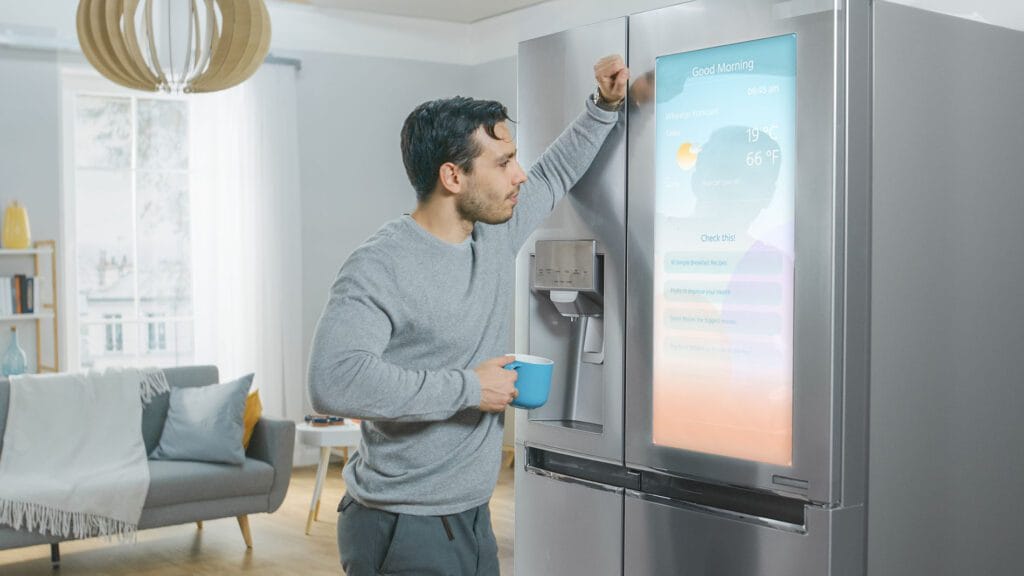
But the real winner is my smart fridge. It tracks what I have, suggests recipes, and adds items to my shopping list when I’m running low. Sounds lazy? Maybe. But I haven’t thrown out expired food in months.
Real Problems People Don’t Talk About
Privacy Fears Are Valid
These devices collect tons of personal data. When you wake up, when you leave, what you watch on TV, who visits your house. That’s valuable information to companies and potentially dangerous in the wrong hands.
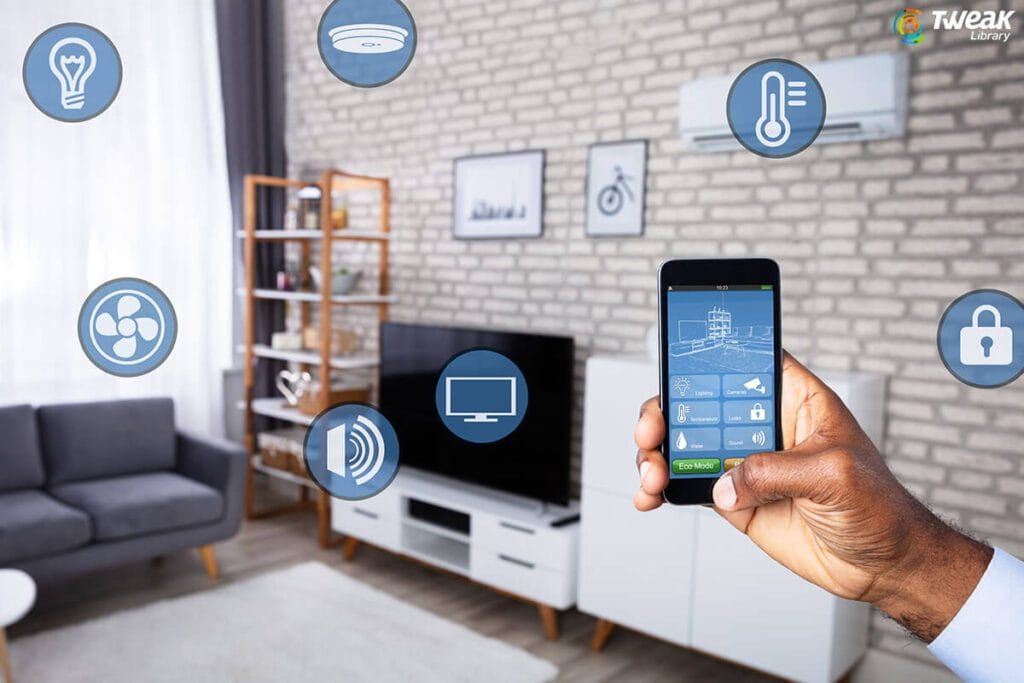
Here’s what I do: buy devices that process data locally when possible. Avoid cheap no-name brands from overseas. Read privacy policies (I know, boring, but important). Turn off data sharing features you don’t actually need.
Setup Can Be Annoying
Despite improvements, getting everything connected still takes patience. I spent four hours last month helping my dad set up his smart home starter kit. The devices worked fine individually, but getting them all in one app took some troubleshooting.
Pro tip: start small. Buy one smart thermostat or a few smart bulbs first. Get comfortable with those before adding more devices.
The Hidden Costs
That $30 smart bulb needs a $50 hub to work properly. The “free” app has premium features that cost $10/month. These extras add up quickly.
Budget for about 30% more than the sticker price of devices. You’ll need hubs, premium app features, and probably some professional help for complex setups.
What’s Coming Next
Cars and Homes Working Together
Electric vehicles are starting to talk to smart homes. Your car can power your house during outages or charge itself when electricity rates are cheapest.
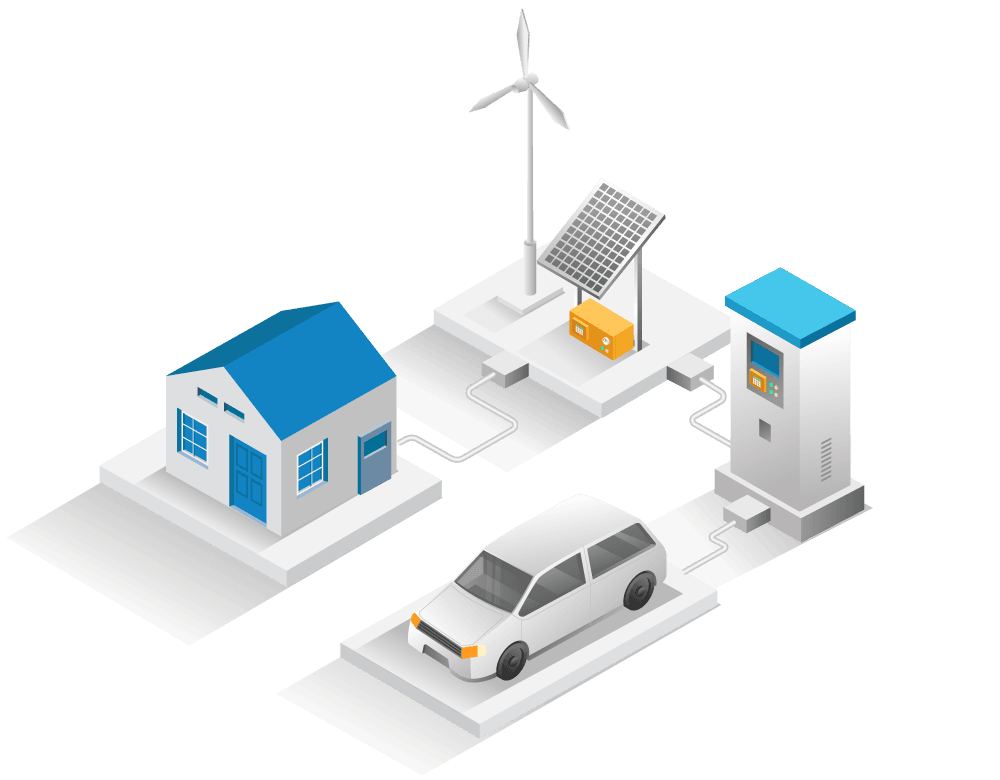
Tesla owners in California are already doing this. Ford’s new Lightning truck can power an entire house for three days during blackouts.
Health Monitoring Everywhere
Smart homes are becoming health monitors. Air quality sensors detect allergens and automatically adjust ventilation. Sleep sensors track your rest quality and adjust bedroom temperature for better sleep.
My aunt’s smart home detected her irregular sleep patterns and suggested she talk to her doctor. Turns out she had early-stage sleep apnea. The technology literally helped save her health.
Getting Started Without Going Broke
The Smart Shopping List
Start with these devices that provide immediate estimated value:
- Smart thermostat ($150-250) – Pays for itself in energy savings
- Smart door lock ($120-200) – Never get locked out again
- Video doorbell ($100-180) – See who’s at your door from anywhere
- Smart smoke detectors ($90-150) – Get alerts on your phone during emergencies
The Bottom Line
Smart homes finally make sense for regular people, not just tech enthusiasts. The technology works reliably, saves real money, and solves actual problems. Start small, focus on devices that address your specific pain points, and expand gradually. You don’t need to automate everything at once. The key difference between 2025 and previous years? These systems now enhance your life instead of complicating it. That’s worth the investment for most homeowners. Your house should work for you, not against you. Smart home technology has finally reached that goal.