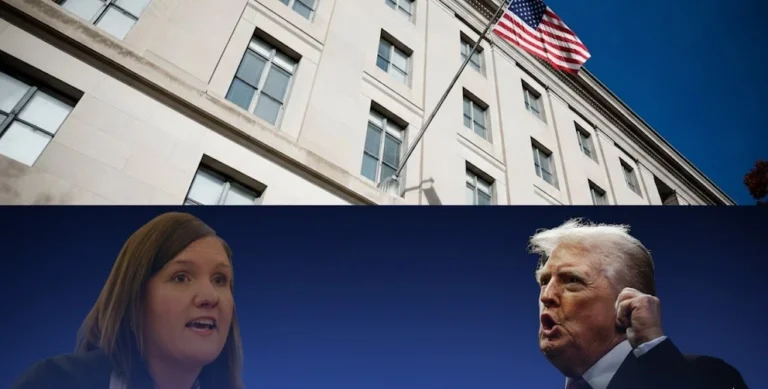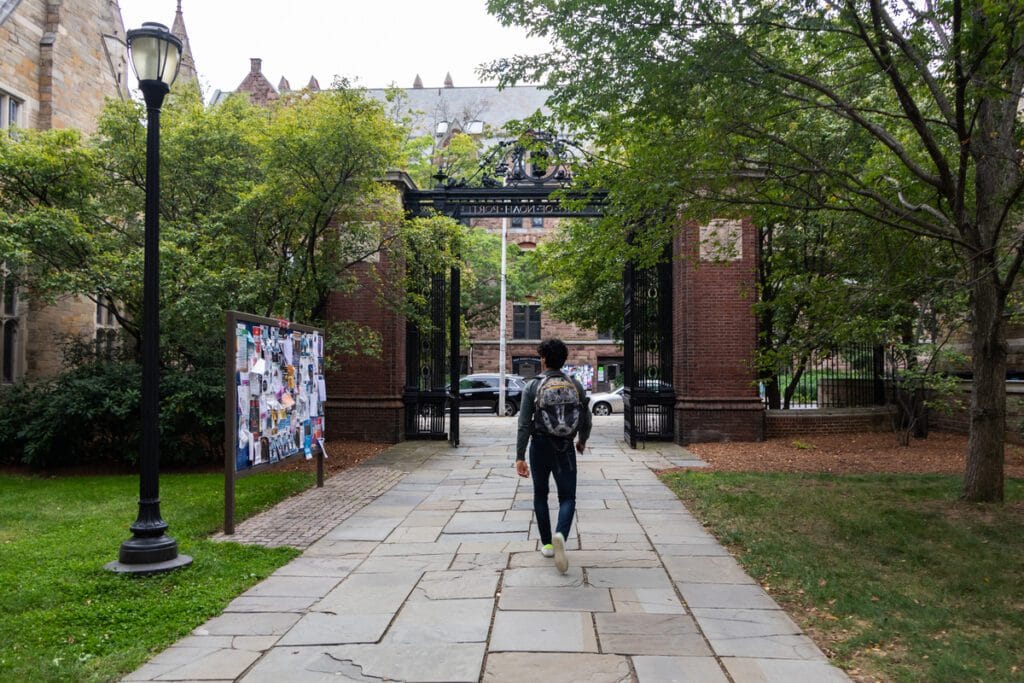
You’re not always right – a reality Gen Z students refuse to accept as America becomes increasingly polarized following Charlie Kirk’s fatal shooting. The conservative activist’s assassination has reignited national discussion surrounding free speech on college campuses, where 71% of students now support shouting down speakers they oppose.
Campus Speech Crisis Reaches Dangerous Tipping Point
The dire situation on America’s college campuses has truly gotten worse since the Charlie Kirk assassination. Students have become less willing to hear opposing perspectives, with the Foundation for Individual Rights and Expression (FIRE) sounding alarm bells for years about these troubling trends.
FIRE’s 2026 College Free Speech Rankings report reveals shocking statistics that should worry everyone. A staggering 54% of students support physically blocking others from attending campus speech events, while 34% believe violence sometimes provides the answer to suppress speech they find uncomfortable.
Students Reject Controversial Ideas Across Political Spectrum
The free speech crisis isn’t limited to stereotypically conservative perspectives – liberal ideas face similar hostility. Students oppose allowing speakers to discuss topics like abortion being completely illegal, transgender people having mental disorders, or Black Lives Matter being a hate group.

Even liberal viewpoints seen as taboo include children being able to transition without parental consent, police being as racist as the Ku Klux Klan, and the Catholic church being a pedophilic institution. This broad rejection shows the problem extends across the entire political spectrum, creating a chilling effect on academic discourse.
The Real-World Impact on Student Life
More than 40% of students find it difficult to discuss sensitive topics including the Israel/Gaza conflict, transgender rights, and even mundane subjects like the 2024 presidential election. These conversations happening in classrooms and dormitories reveal how anti-free speech sentiments have grown in recent years.
The USA TODAY generation faces a critical choice about whether they’ll continue accepting illiberal tactics or recognize this festering problem requires conscious effort from everyone. Students deprive themselves of the opportunity to get the most out of their university experience when they refuse to engage with challenging ideas.
Why Humility Matters in Academic Discourse
You’re not always right about every issue – the vain position many young people adopt entirely contradicts liberal society’s foundations. Most students who decide to work in the political world become extremely stubborn, acknowledging they’re almost certainly wrong about some stuff feels impossible.
The bare minimum humility requires recognizing the fact that you might be wrong about a thing or two. Doing so makes you more willing to hear others’ opinions and actually debate competing ideas in good faith, potentially convincing someone of your perspective in the process.
Breaking the Cycle of Academic Intolerance
This wake-up call following the horrific point of speech-suppressing violence may encourage students to adopt free speech ideals they’ve previously rejected. The assassination demonstrates the dangers of allowing anti-free speech culture to continue festering on campuses nationwide.
Gen Z has the chance to change these disturbing trends by consciously taking initiative to solve the problem. Students must recognize that preventing shared dialogue creates a graduating population worse off due to their own illiberal attitudes – something everyone should care about deeply.
Learning the Lost Art of Civil Disagreement
Disagreeing civilly has become a lost art that young people particularly need to reclaim if we’re going to live together successfully. Students who oppose certain viewpoints shouldn’t simply prevent others from hearing different perspectives, even when those ideas make them uncomfortable.
The result of this approach strengthens ideas by putting them to the test against opposing arguments. You’re not always right, and the sooner students realize this fundamental truth, the better off we’ll all be in creating a society where open debate flourishes rather than dies.