Iran in crisis as the regime prepares to cut off water to Tehran and consider evacuation of 10 million inhabitants if rain doesn’t arrive by December. The Islamic Republic faces its worst drought in decades, forcing officials to implement shutting off water supply across several regions starting Saturday night.
Capital Runs Dry as Reservoirs Hit Critical Lows
The mounting crisis has pushed Tehran’s water system to breaking point, with the capital now consuming upwards of 790 million gallons (3 billion litres) per day while reservoirs struggle to keep up. Energy Minister Abbas Alibadi announced on state television on Saturday that authorities are forced to cut off water supply to citizens during evenings so reservoirs can refill. The Amir Kabir dam, one of five key sources serving Tehran, currently holds just 3.6 billion gallons (13.6 billion litres) of water.
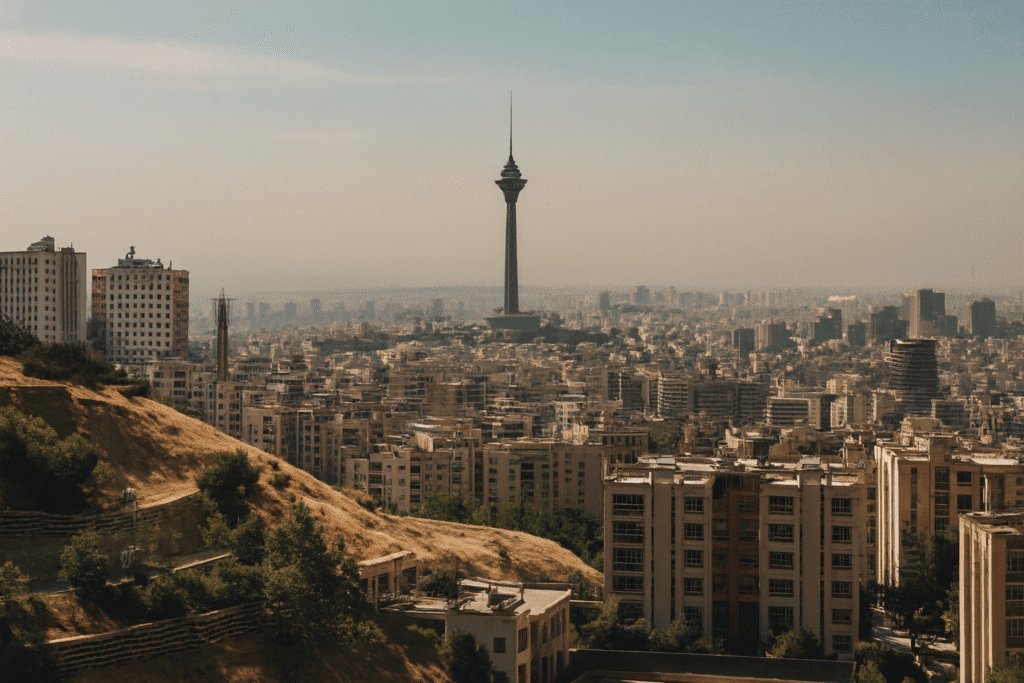
That’s six times less than the amount it held during the same time last year, according to France24 reported figures. You might think that sounds manageable, but when the country falls deeper into the grips of this major drought, these numbers paint a dire picture for Iranians across 31 provinces.
President Warns of Potential Mass Evacuations
President Masoud Pezehkian delivered a stark warning in an address broadcast on Friday that should make you sit up and take notice. If there’s no rainfall by December, Tehran’s roughly 10 million inhabitants may be forced to evacuate to other parts of the country, the outlet reported. However, additional announcements explaining when and how these potential mass evacuations would take place have not been made available yet.

The lack of clarity around evacuation plans has left citizens uncertain about their future. Pipes in some provinces have already started running dry, turning the theoretical crisis into a harsh reality for thousands across the Middle Eastern nation.
Citizens Urged to Install Pumps as Pressure Drops
Mr Alibadi suggested that Iranians install pumps to compensate for the lack of pressure and supply gaps during the water shutting off periods. “This will help avoid waste even though it may cause inconvenience,” the Energy Minister told viewers, acknowledging the burden this places on ordinary people. The regime expects you to adapt quickly to these new conditions.
The Islamic Republic announced these measures as a temporary solution, but with half of Iran’s 31 provinces having not seen rainfall in several months, temporary might stretch into something far more permanent. Pipes that once delivered reliable water now sit empty across multiple regions, forcing families to rethink their daily routines entirely.
Drought Conditions Known Since Summer
Iranian officials were aware of the drought conditions far back as July, when Mr Alibadi reported a 31 per cent drop in rainfall, according to Iran Focus. That’s three months of knowing this crisis was coming, yet the situation has only deteriorated. The terrorist-supportive regime is now negotiating importing water from neighbouring countries including Afghanistan, Tajikistan and Uzbekistan, the report indicates.
You should understand that Iran resides in a subtropical dry belt characterised by many mountains and desert terrain, according to global research group World Data. Central Iran receives less than 4 inches (10 centimetres) of rain per year on average, based on that data. These geographic realities make the country particularly vulnerable to drought events.
What This Means for Regional Stability
The water crisis gripping Iran extends beyond domestic concerns. With Tehran contemplating evacuating its entire population, the ripple effects across the Middle Eastern region could reshape migration patterns and diplomatic relationships. The Islamic Republic’s approach to shutting off essential services raises questions about governance during environmental emergencies.
Haaretz reported that this worst drought scenario was unfolding with little international attention until the evacuation talk began circulating. The regime’s decision to seek water imports from Afghanistan, Tajikistan, and Uzbekistan signals just how desperate the situation has become for this nation of over 80 million people spread across 31 provinces.