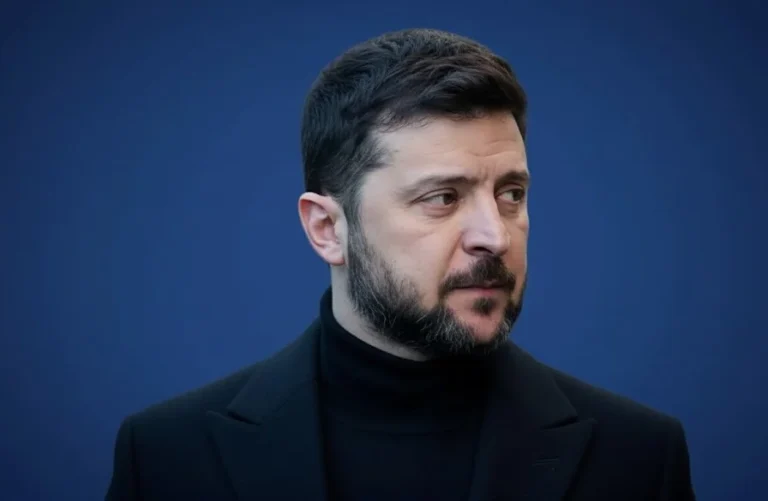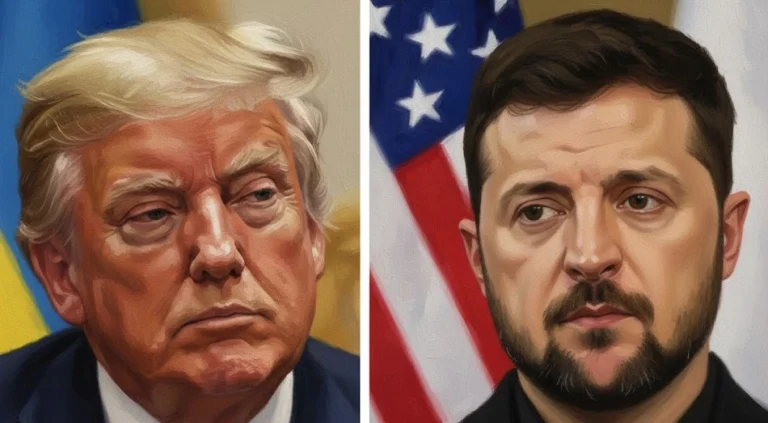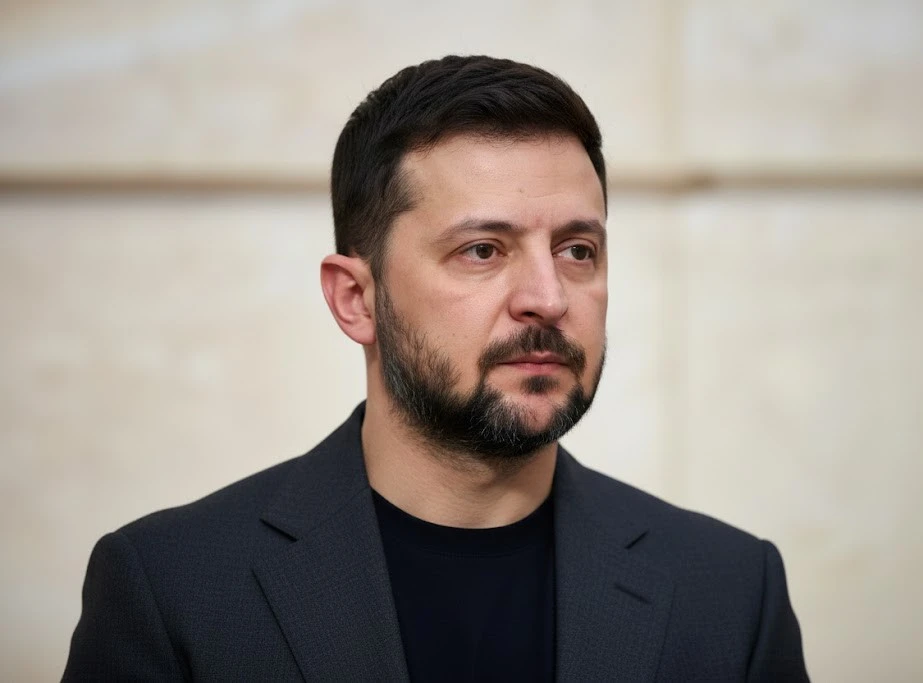
President Volodymyr Zelenskiy took to social media Sunday to set the record straight. Ukraine is grateful—deeply so—for the U.S. efforts that have kept his country in the fight. The message came hours after President Donald Trump told reporters that Ukrainian leaders showed “zero gratitude” for American assistance. Zelenskiy’s response on Telegram was direct: Ukraine remembers who stood with them, and the help has been saving Ukrainian lives since day one.
Trump has never been shy about expecting public recognition. His recent gripe about Ukrainian ingratitude stung Kyiv, especially since American weapons have been central to Ukraine’s defense strategy. Zelenskiy expressed gratitude not just as diplomatic courtesy but as battlefield fact. “Ukraine is thankful to the United States, to every American heart and particularly to President Trump for the help which, starting with Javelin missiles, saves Ukrainian lives,” Zelenskiy wrote.
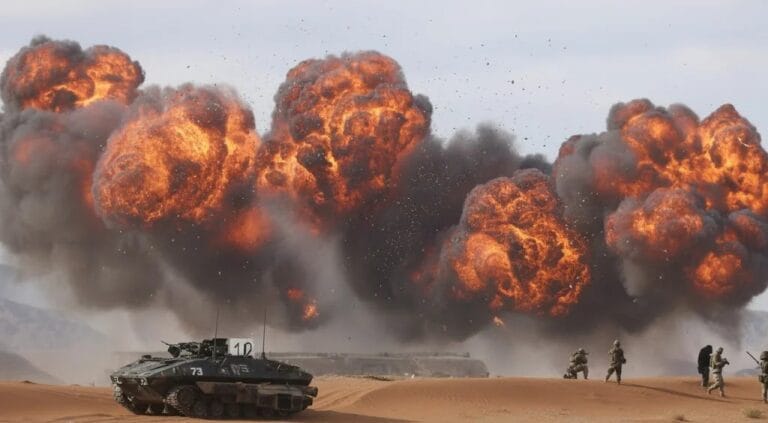
Those Javelin missiles aren’t symbolic gestures. They’re tank killers that changed the war’s early dynamics. When Russian armor rolled toward Kyiv in the conflict’s opening phase, Ukrainian forces used U.S.-supplied Javelins to turn columns of vehicles into scrap metal. The assistance aimed at helping Ukraine wasn’t about feel-good diplomacy—it was about survival.
For you watching from abroad, this matters because it shows how personal Trump makes foreign policy. He wants credit, and Zelenskiy knows that maintaining good relations with Washington means giving it. The Ukrainian President’s Telegram post wasn’t just thanks—it was strategic communication aimed at keeping American support flowing.
Zelenskiy didn’t stop at praising American contributions. He expressed thanks to Europe and the G7 and G20 groupings of countries that have backed Ukraine through weapons, money, and diplomatic pressure. This broader shout-out reveals something important about Ukraine’s position: they can’t afford to pick favorites among their allies, even if U.S. assistance has been the most substantial.
The European package has been different but no less vital. Financial support has kept Ukraine’s government functioning while Ukrainian soldiers hold the line. Sanctions coordinated through G7 and G20 mechanisms have squeezed Russia’s economy, though perhaps not as tightly as Kyiv would like. Zelenskiy understands that working carefully to acknowledge every source of help isn’t just good manners—it’s survival strategy.
“This is why we are working so carefully on every point, every step towards peace,” he wrote. That sentence reveals the pressure Zelenskiy faces. One wrong move, one perceived slight to a major donor, and Ukraine risks losing the support that keeps them fighting. The Ukrainian leader is walking a tightrope, and he knows it.
Zelenskiy’s focus on peace isn’t surrender talk—it’s planning talk. “Everything has to be worked out correctly so that we can truly end this war and prevent war from happening again,” he explained. That’s the tricky part for Ukraine: any peace deal must be strong enough to prevent Russia from simply regrouping and attacking again in five years.
For Ukrainian civilians exhausted by war, the promise of peace sounds wonderful. But Zelenskiy and his team know that a bad peace is worse than continued fighting. They’ve watched Russia violate previous agreements, so trust is nonexistent. The efforts to craft a lasting settlement require working towards terms that give Ukraine real security guarantees, not just paper promises.
The President didn’t spell out what “worked out correctly” means in practical terms. Does it require NATO membership? Permanent U.S. military bases? Advanced weapons systems that make invasion unthinkable? Zelenskiy kept those cards close, but his emphasis on preventing future conflict shows he’s thinking long-term.
Trump’s complaint about zero gratitude and Zelenskiy’s quick response show how much diplomacy now happens in public view. Gone are the days when such exchanges stayed behind closed doors. Every statement gets parsed by multiple audiences: American voters, Ukrainian citizens, European partners, and Russian intelligence analysts.
Zelenskiy expressed his thanks knowing full well that Trump would see it. Whether it satisfies the former President remains unclear, but it at least shows Ukraine isn’t taking American assistance for granted. The mention of Javelin missiles by name was smart—it gave Trump something specific to point to as his administration’s legacy.
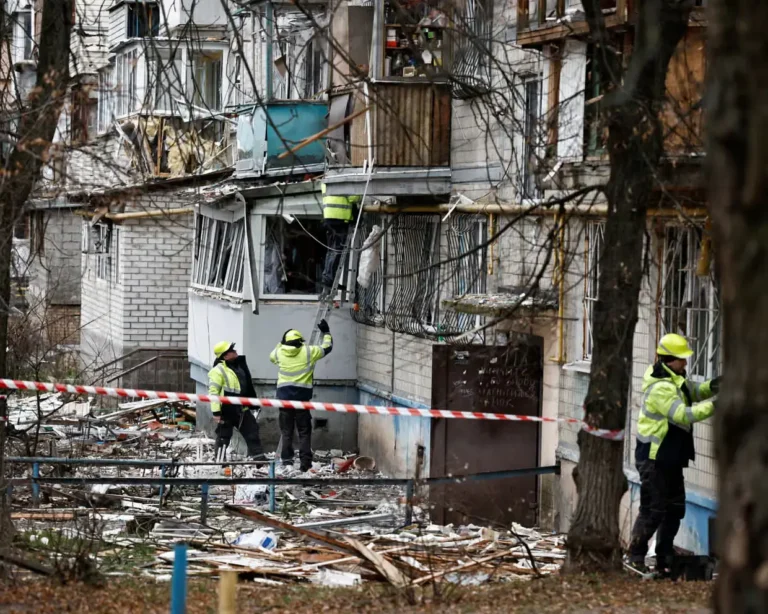
For Ukrainian leaders, this whole episode underscores a hard truth: they need U.S. support more than Washington needs them. That power imbalance means Kyiv has to play the gratitude game, even when Trump’s timing seems tone-deaf. Ukrainian soldiers are dying, cities are being destroyed, and here they are having to publicly thank someone who’s complaining about insufficient appreciation.
The back-and-forth between Trump and Zelenskiy won’t change battlefield realities, but it might affect future assistance packages. If Trump returns to power, Ukraine will need to manage his ego while securing the weapons and money they need. Zelenskiy’s Sunday message was a down payment on that relationship, a signal that Ukraine remembers its friends.
Maintaining Western support grows harder with each passing month as the war drags on and donor fatigue quietly spreads across capitals. Zelenskiy understands that every gesture counts, every relationship must be carefully tended, and no ally can be taken for granted. His Telegram post was never simply about gratitude — it was a calculated move to hold the coalition together long enough to reach a peace that genuinely lasts, not one that merely pauses the bloodshed. Ukraine has survived this long because its leaders mastered the art of keeping friends close even when exhaustion sets in. Whether that fragile unity can hold through the difficult negotiations ahead remains the most urgent and unanswered question facing Ukraine, its Western partners, and a world watching an unfinished war with growing unease.