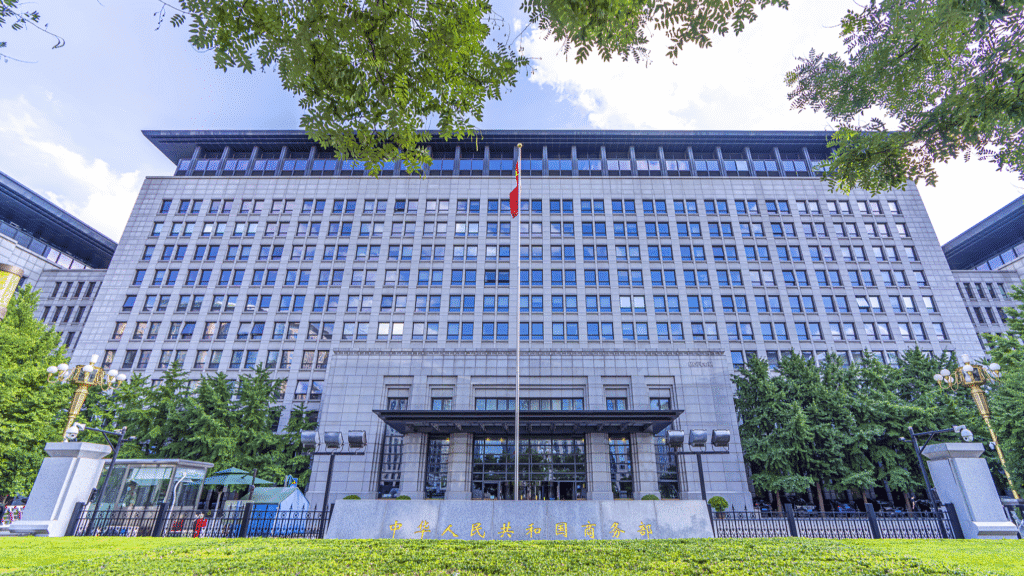
China dramatically tightened rare earth export controls on Thursday, directly targeting overseas defence users and semiconductor users in a move that expands restrictions on processing technology. The Ministry of Commerce announcement comes weeks ahead of an anticipated Trump-Xi summit in South Korea, positioning rare earth dominance as a major bargaining chip in trade talks with the United States.
The expanded export controls spell out Beijing’s intention to limit access for foreign military radars, advanced chips, and AI chipsets requiring powerful computing performance. This follows U.S. lawmakers calling on Tuesday for broader bans on chipmaking equipment sales to China, escalating tensions between the two economic giants.
Strategic Timing Ahead of Trump-Xi Meeting
The timing of these tightened measures appears calculated for maximum leverage. Presidents Donald Trump and Xi Jinping are scheduled for a face-to-face meeting in Korea later this month, where rare earth access will likely dominate discussions. “From a geostrategic perspective, this helps with increasing leverage for Beijing ahead of the anticipated Trump-Xi summit in South Korea,” said Tim Zhang, founder of Singapore-based Edge Research.
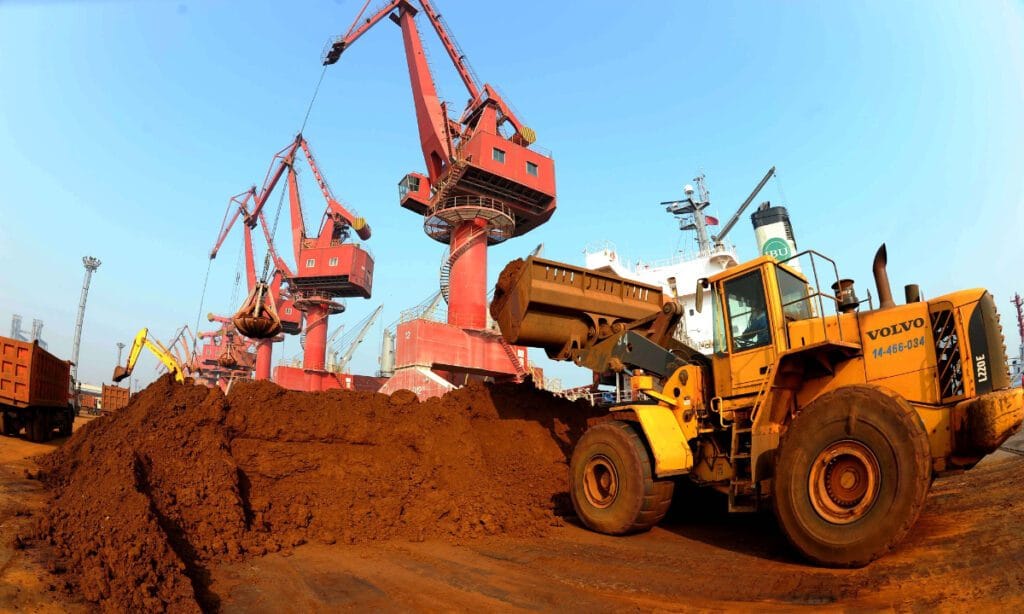
China produces over 90% of the world’s processed rare earths and rare earth magnets, making it the world leader in rare earth technology. The 17 rare earth elements serve as vital materials in products ranging from electric vehicles to aircraft engines and military radars, giving Beijing unprecedented control over global supply chains.
Expanded Restrictions Mirror U.S. Playbook
The new restrictions are widening to cover foreign companies that use Chinese rare earth equipment or material, directly mimicking U.S. rules that restrict exports of semiconductor-related products. The Ministry said in its statement that extraterritorial rules will start on December 1, while the remainder commence immediately. This approach marks the first time China has clarified specific targets of its restrictions.
The rules apply to 14-nanometer chips or more advanced chips, memory chips with 256 layers or more, and equipment used in production of such chips, plus related research and development. These advanced semiconductors power a wide range of devices from smartphones to cutting-edge technology. Applications involving artificial intelligence with potential military applications will face the strictest scrutiny.
Global Chipmakers Face Uncertain Future
South Korea, home to major memory chipmakers Samsung Electronics (005930.KS) and SK Hynix (000660.KS), is assessing the details of the new restrictions. The country’s industry ministry said it would continue discussions with China to minimise impact on its semiconductor giants. Samsung declined to comment, while Taiwan’s TSMC (2330.TW) did not respond to questions about how the measures affect their operations.
Shares of Chinese rare earth companies surged following the announcement. China Northern Rare Earth Group (600111.SS) and Shenghe Resources (600392.SS) jumped 8.3% and 6.3% respectively as of 0719 GMT. Meanwhile, TSMC finished up 1.8% on Thursday after the company reported forecast-beating third-quarter revenue, though South Korea’s financial markets were closed for a public holiday.
Defence Sector Faces Complete Block
The Ministry of Commerce made clear that overseas defence users will not be granted licences under any circumstances, representing a complete ban on rare earth supplies for military applications. However, applications related to advanced semiconductors will be approved on a case-by-case basis, leaving some room for negotiation. The expanded controls now cover technology to make rare earth magnets across more types of magnets, plus components and assemblies that contain restricted magnets.
Equipment to recycle rare earths now requires a licence to export, adding to the long list of restricted processing technology. This move affects the entire supply chain, from raw material extraction to finished products used in modern technology.
Supply Situation Shows Mixed Signals
China’s rare earth shipments have been growing steadily over the past few months as Beijing grants more export licences, partially easing the supply crunch that followed April restrictions that caused shortages around the world. A series of deals with Europe and the U.S. helped stabilize supplies, though some users still complain they are struggling to get them.
In a nod to concerns about access, the Ministry of Commerce said the scope of items in its latest round of restrictions was limited and “a variety of licensing facilitation measures will be adopted.” This suggests Beijing wants to maintain pressure without completely cutting off supplies to key markets.