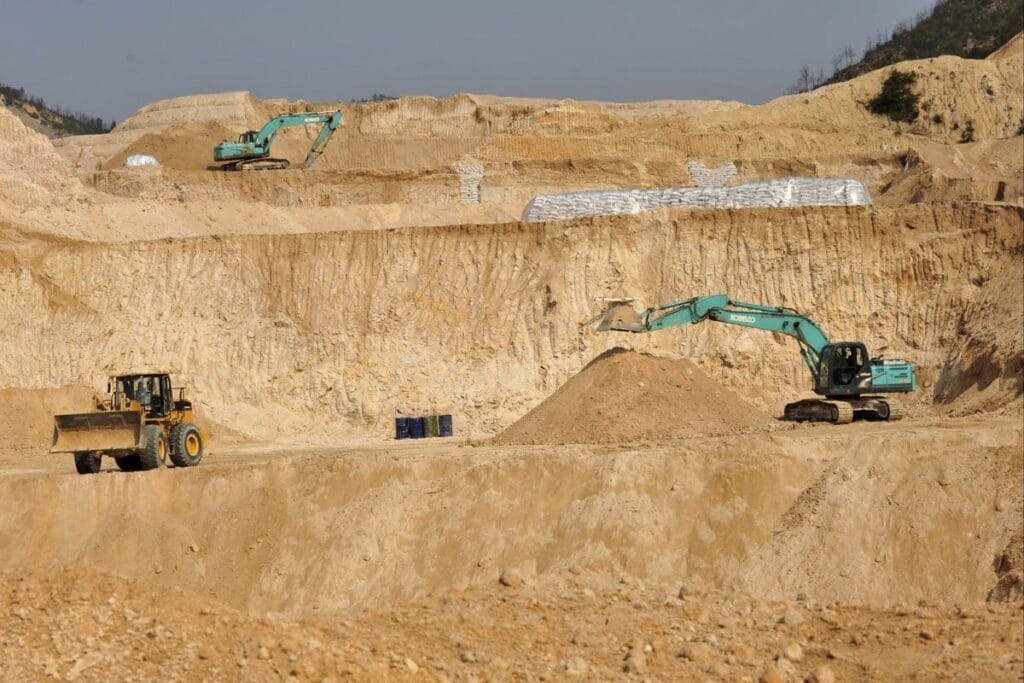
China’s exports of rare earth magnets dropped 6.1% in September, reigniting fears that Beijing could once again use its dominance over this critical component as leverage in trade talks with Washington. The fall to 5,774 tons from a seven-month high of 6,146 tons in August signals trouble for U.S. defence firms and makers of cars and smartphones worldwide.
The September decline in China’s exports of rare earth magnets ended three months of gains, dropping even before the world’s top supplier unveiled a dramatic expansion of its export licensing regime this month. Customs data released Monday shows shipments fell abruptly, aligning with reports that firms face harder conditions to secure licences for exports. “The sharp swings in rare earth magnet exports show that China holds a key card in international trade talks,” said Chim Lee, senior analyst at the Economist Intelligence Unit.
Beijing previously squeezed global automakers in April and May with export curbs on a range of rare earths items and related magnets while negotiators faced off over triple-digit U.S. tariffs on goods from the world’s second-largest economy. Four months later, both sides have unexpectedly reprised threats of fresh tariffs and rare earth export curbs, fueling worry that China could return to the same playbook and reneges on a June deal with the United States to ease the flow of critical minerals.
China’s commerce ministry now applies scrutiny similar to that seen in April, at the height of the trade war, making it significantly harder for companies to get approval. On an annual basis, September shipments rose 17.5%, but this figure masks the month-to-month volatility that creates insecurity for manufacturers. Last week, China’s commerce ministry accused the United States of stoking global panic over its rare earth controls by deliberately misunderstanding the curbs, insisting it would approve export licences intended for civilian use.
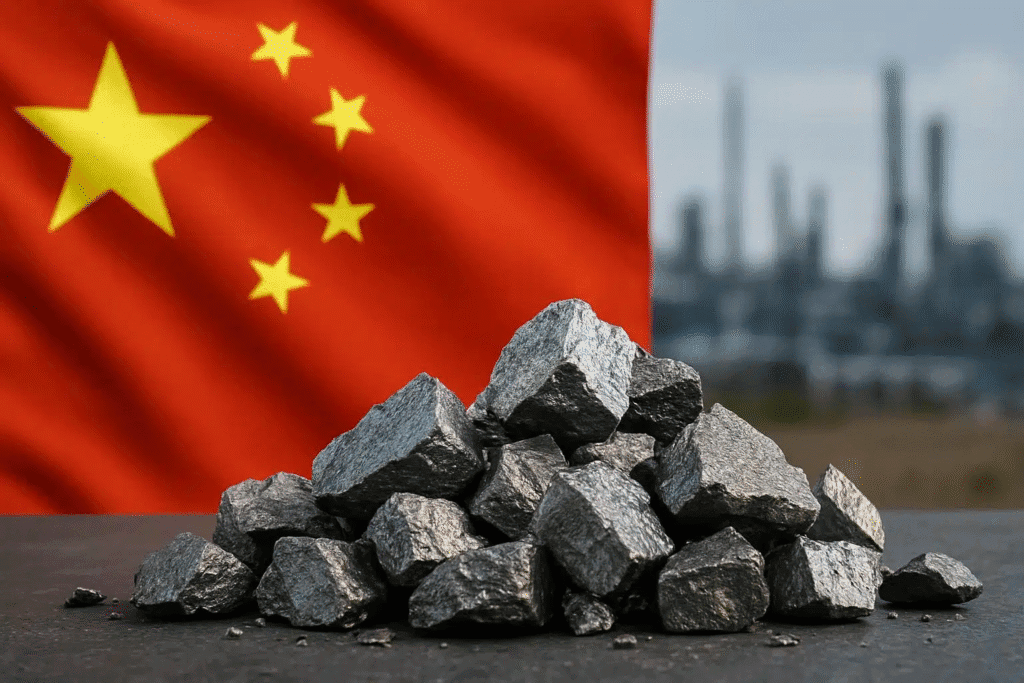
Analysts worry China could once again entangle civilian commercial users in curbs aimed at choking U.S. defence firms’ access to key critical materials. The ability to throttle rare earth exports represents an “exceptionally powerful tool,” according to Dan Wang, China director at Eurasia Group. Such measures not only risk disrupting production but also fuel insecurity over access to critical industrial inputs and highlight growing reliance on China.
Germany, South Korea, Vietnam, the United States, and Mexico were the top five export destinations for Chinese rare earth magnets by volume last month. Shipments to the United States fell 28.7% in September compared to the previous month, while exports to Vietnam rose 57.5% over the same period. The Netherlands processed 109% more rare earth magnets than in August, though this figure is skewed by the huge Rotterdam port, a major transit hub for Europe-bound trade.
Over the nine months of the year, exports of such magnets totalled 39,817 tons, a fall of 7.5% from the corresponding 2024 period. “The world has to adjust to its management style,” Wang added, noting that Western countries are not used to complying with monopolistic control of critical resources from countries on “the other side.”
Just before the release of the data, President Donald Trump told reporters aboard Air Force One he did not want China to “play the rare earth game” with Washington. He suggested he might hold off on raising tariffs back to levels in excess of 100% if the world’s top agricultural buyer committed to purchasing U.S. soybeans. Beijing, however, shows no sign of backing down, remaining adamant that its new wider curbs, set to take effect just days before the November 10 expiry of the latest 90-day tariff truce, are consistent with measures in other major economies.
President Xi Jinping is set to meet Trump in South Korea later this month, but economists warn that trade friction between the two biggest economies may be the new normal. “The surge in exports during the third quarter came after it eased export controls earlier in the year, but that’s likely to drop again following the tighter restrictions introduced recently,” added EIU analyst Chim Lee.