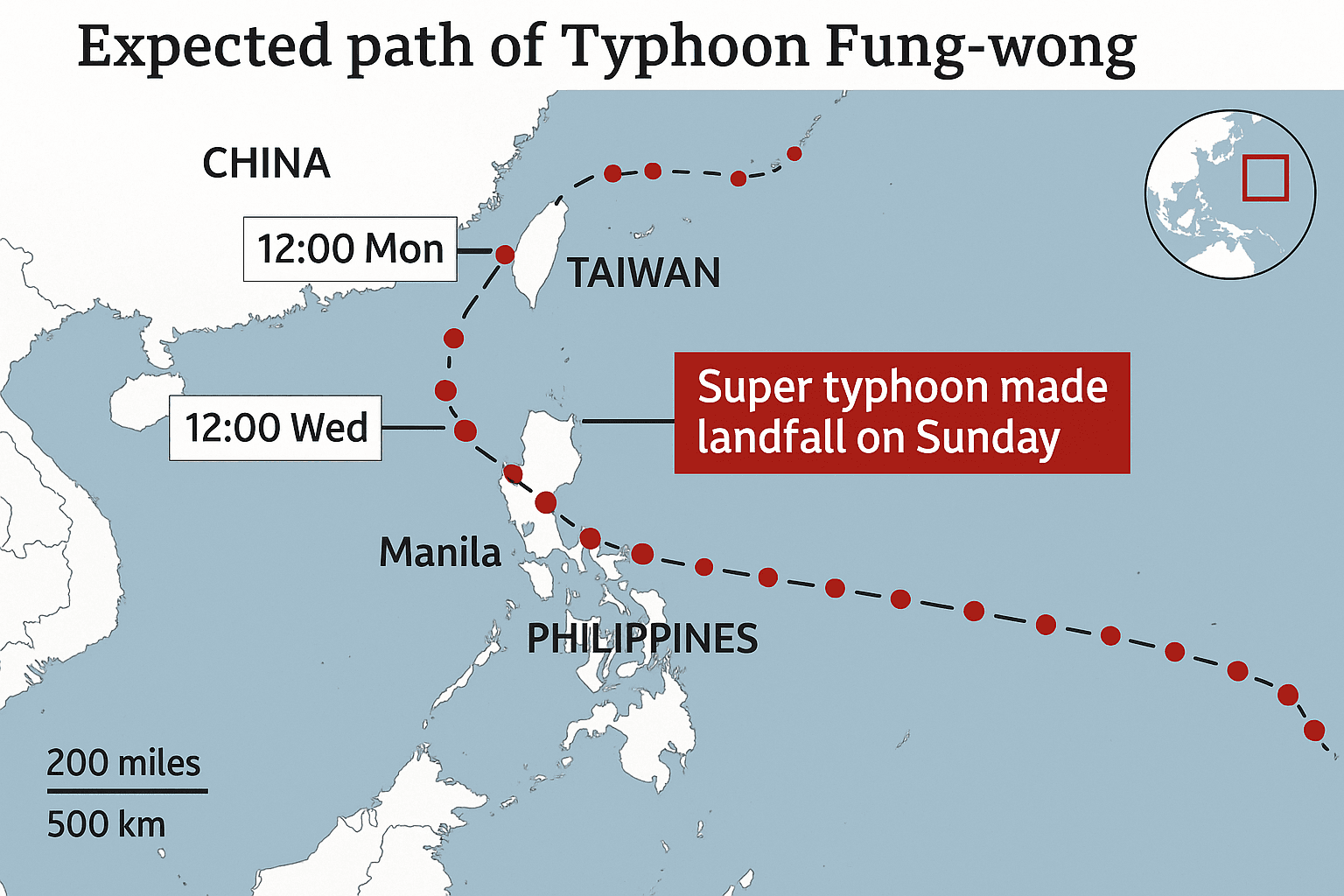
Typhoon Fung-wong killed four people as it slammed into the Philippines over the weekend, but authorities said Monday the death toll could have been much higher.
Over a million people were moved out of harm’s way before the storm hit Luzon on Sunday. That probably saved lives. The typhoon brought heavy rain and powerful winds that kept people up all night, but by Monday morning it had weakened considerably.
Mudslide Kills Two Children
The worst tragedy happened in Kayapa, up in Nueva Vizcaya province. A mudslide buried a house there and killed two children, according to Alvin Ayson, a regional civil defense official who spoke to reporters by phone.
Landslides also cut off at least four towns in Aurora province, where the storm first made landfall. Officials said they’re working to get through to those areas, but roads are blocked and it’s slow going.
“Early indications suggest the tally will be minimal,” said Raffy Alejandro, a senior civil defense official, during a media briefing in Manila. He was careful to note they’re still assessing the damage in remote areas.
Residents Describe Long Night
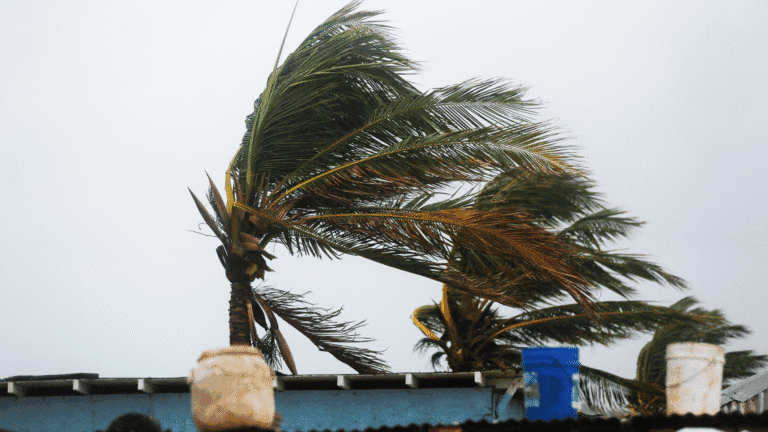
Romeo Mariano rode out the storm with his grandmother in Isabela province. He said the noise was relentless—metal roofing banging against houses, tree branches snapping and crashing down.
“We couldn’t sleep,” Mariano said. When dawn came and things calmed down, he went outside to look around. His home had damage, but it was still standing. Others in his neighborhood weren’t so fortunate.
Across Luzon, the typhoon knocked out power lines and tore up trees. Streets flooded. Some areas are still underwater. But compared to what meteorologists had feared when they saw how strong Fung-wong was, the damage appears manageable.
Storm Heads Toward Taiwan
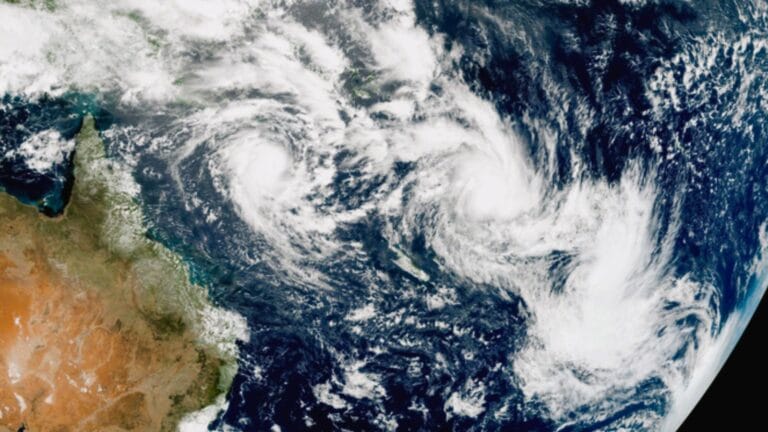
By Monday, wind speeds had dropped to somewhere between 130 and 160 kilometers per hour. That’s still typhoon strength, but it’s a lot less intense than Sunday. The storm was tracking northeast, heading for Taiwan.
Forecasters expect it to hit Taiwan’s west coast on Wednesday. The island’s government has already started moving people out of Guangfu, a town that got hammered by flooding just two months ago when another typhoon came through. Eighteen people died in that September storm.
Taiwan’s mountainous east coast tends to get the heaviest rainfall when these systems come through, even if they make landfall on the west side. Officials there aren’t taking any chances.
Another Storm in a Brutal Year
This is the 21st typhoon to hit the Philippines this year. That’s exhausting for everyone involved—emergency workers, government officials, and especially the families who keep having to evacuate over and over.
Just last week, Typhoon Kalmaegi tore through the country and killed 224 people. Five more died when that storm moved into Vietnam. There’s barely been time to recover before the next one arrives.
The Philippines has gotten better at handling these disasters. Early warning systems work well now. Evacuations are more organized. Building codes have improved in vulnerable areas. All of that probably helped keep Fung-wong’s death toll down.
But when you’re dealing with 21 major storms in one year, even the best preparation gets stretched thin.
Isolated Towns Remain a Concern
The four towns cut off in Aurora province are the biggest worry right now. Alejandro said emergency teams are trying to reach them, but blocked roads and continuing rain are making it difficult.
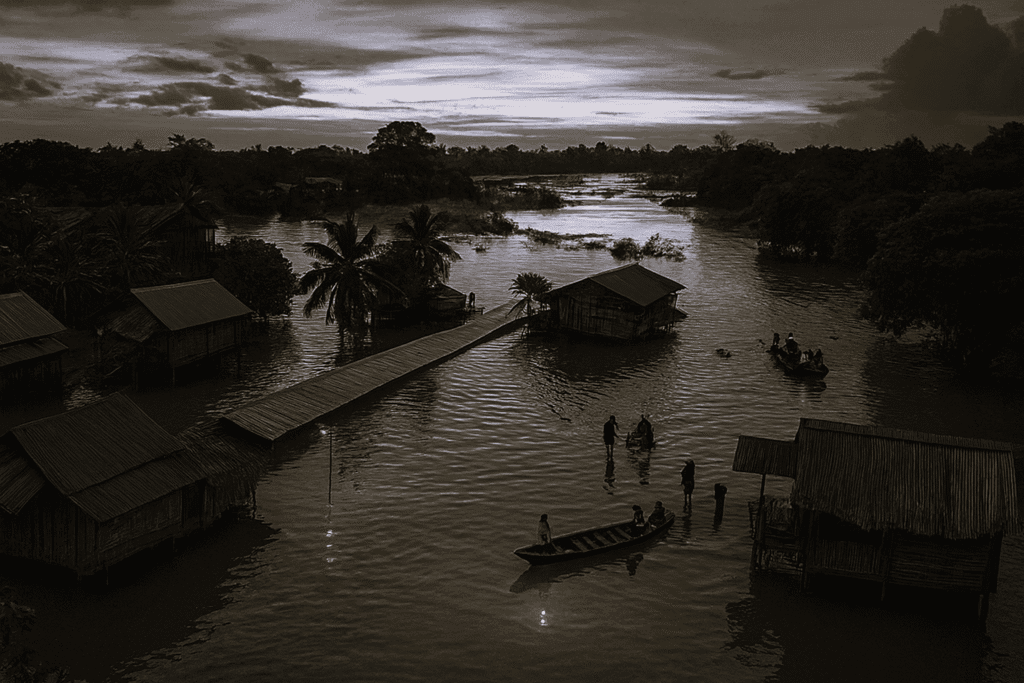
Power is out in several provinces. Thousands of families are still in evacuation centers, waiting to see if it’s safe to go home. Some people have been displaced for weeks from previous storms and haven’t been able to return yet. Communication lines are down in some areas, which means authorities don’t have a complete picture of the damage yet. Reports are coming in slowly from remote communities.
Looking Ahead
As Fung-wong moves away from the Philippines, the focus shifts to cleanup and getting help to people who need it. Power crews are working to restore electricity. Road crews are clearing debris.
The storm’s outer bands are still bringing rain to some coastal areas. Officials warned about possible storm surges, though the worst seems to have passed.
Four deaths is tragic—especially those two children in Kayapa. But given how powerful this typhoon was when it was approaching, many people here feel like they dodged something much worse.
Now the country has to rebuild again. Fix the roads, repair the power lines, help families get back into their homes. And then prepare for whatever comes next, because the typhoon season isn’t over yet.
For Taiwan, the preparation is just beginning. The storm should weaken more as it crosses the water, but those mountains on the east coast can turn even a weakened typhoon into a serious flood threat. They learned that lesson hard in September.
The government there is taking it seriously, which is all you can really do when you live in a place where these storms are just part of life.