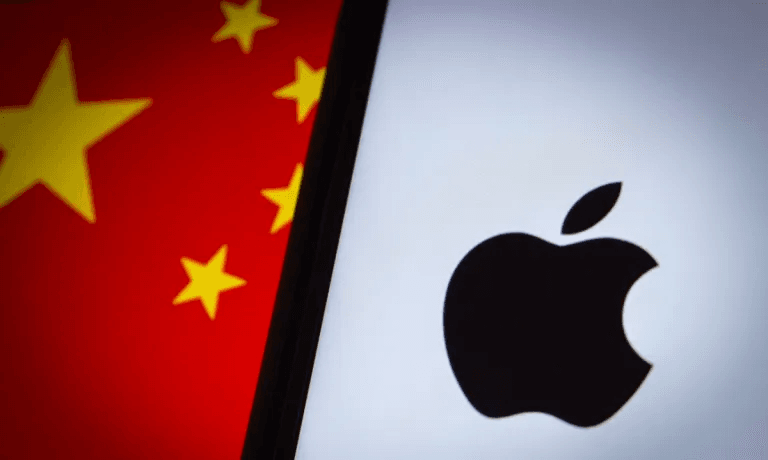
Fifty-five Chinese iPhone and iPad owners have taken their frustrations with Apple straight to China’s market regulator, filing a complaint this Monday that accuses the company of playing by different rules in different countries. Led by lawyer Wang Qiongfei, the group says Apple is abusing its market dominance by keeping a tight grip on how apps get onto iOS devices and forcing everyone to use its payment system—while charging what they call unreasonably high commissions.
It’s not the first time Wang has gone after Apple on behalf of Chinese consumers. He tried something similar back in 2021, but that case got dismissed by a Shanghai court last year. Now he’s back with a different strategy, and he thinks this administrative route through regulators might actually work better than the previous civil lawsuit—which he’s still appealing all the way up to China’s Supreme People’s Court.
Here’s what’s really alleging people: Apple maintains what the complainants argue is essentially a monopoly over iOS app distribution in China. You can’t download apps from anywhere except the App Store, and when you buy anything inside those apps—whether it’s extra lives in a game or a subscription—you have to go through Apple’s In-App Purchase system. That wouldn’t sting quite so much if Apple wasn’t taking up to 30% of every transaction.
What really gets under their skin is that Apple has started permitting alternative payment methods and even alternative app stores in other markets like the European Union and United States following regulatory pressure there. According to the complainants, this proves Apple’s restrictions aren’t about technology or security—they’re business choices designed to maintain control and keep charging those fat commissions. The filing accuses Apple of three main violations of China’s Anti-Monopoly Law, all centered around forcing consumers to purchase digital goods exclusively on Apple’s terms.
Wang told Reuters Media he’s more optimistic about this second attempt. Unlike the earlier civil battle where individual consumers had to prove they’d been harmed, this administrative complaint puts the investigation burden squarely on government authorities. The court heard arguments on his appeal of that dismissed case back in December, and there’s still no ruling—so he’s essentially attacking the problem from two directions at once.
The Bigger Picture: U.S.-China Tech Wars
This complaint isn’t happening in a vacuum. It lands right in the middle of intensifying trade tensions between Beijing and Washington, with both governments deploying tariffs and technology restrictions like they’re going out of style. China has recently launched what looks like a coordinated series of antitrust investigations targeting U.S. tech firms. Chipmaker Qualcomm, for instance, faces a probe over its acquisition of Israeli company Autotalks.
The complaint went to China’s State Administration for Market Regulation, which now has to decide whether to scrutinise Apple more closely. Some observers think China’s regulators might be using antitrust policy as another tool in the broader tech rivalry. Whether that’s fair or not probably depends on where you’re sitting, but the pattern of investigations targeting American technology companies is hard to ignore.
Apple did not immediately respond to a request for comment, which isn’t surprising given how carefully tech companies word their responses to regulatory matters these days. The company has been dealing with regulatory pressure in multiple markets over how it runs the App Store, but it maintains noticeably different policies across regions—concessions in Western markets, stricter restrictions in China.
Let’s be honest: China represents a massive revenue source for Apple. Millions of iPhone and iPad users there depend on the App Store for app access, and losing that market would hurt. The complainants say Apple abuses its platform dominance by restricting what should be a more open digital marketplace. They point out that if Apple can open things up in Europe and America, why not in China?
The filing raises uncomfortable questions about whether Apple’s monopoly—and yes, that’s the word Wang Qiongfei and his group are using—forces consumers to pay inflated prices. When there’s only one place to get apps and only one way to make in-app purchases, you don’t have much leverage as a consumer. The complaint specifically hammers home the contrast: Apple has begun permitting more flexibility elsewhere following pressure from European and American regulators, but Chinese users are still locked into the old system.
Wang clearly hopes this second attempt will gain traction where the first case failed. His shift from civil to administrative action shows he’s learned something from that dismissed lawsuit. With the Supreme People’s Court verdict on the earlier challenge still pending, keeping pressure on Apple through multiple legal channels might actually be smart strategy.
What Happens Next
The State Administration for Market Regulation now has to decide what to do with these allegations. China’s authorities have been showing more willingness to go after foreign technology firms, especially as trade relations stay rocky. The Anti-Monopoly Law gives regulators plenty of tools to address market behavior they think crosses the line, though let’s not pretend enforcement isn’t sometimes influenced by larger diplomatic considerations.
If this complaint actually leads somewhere, Apple might have to extend the same alternative options to Chinese consumers that it’s recently offered in the United States and European Union. That would mean potentially opening up iOS to alternative app stores and payment methods—something Apple has resisted tooth and nail everywhere it could.
With both challenges moving forward—the appeal working its way through the court system and this new administrative complaint landing on regulators’ desks—Apple faces sustained regulatory scrutiny in a market it absolutely cannot afford to lose. How the tech giant responds over the coming months will tell us a lot about whether it takes these challenges seriously or thinks it can weather the storm without changing how it does business in China.
The real test will be whether China’s market regulator decides to investigate, and if so, what they find. Apple’s platform practices have survived legal challenges before, but the regulatory landscape keeps shifting. For now, Wang Qiongfei and his 55 complainants are betting that government scrutiny will accomplish what their civil lawsuit couldn’t.