Beijing—China told citizens to avoid traveling to Japan this week, escalating a diplomatic fight that started when Japan’s new prime minister made comments about Taiwan. The Chinese Foreign Ministry said Friday that Sanae Takaichi’s “blatantly provocative remarks” have put travelers at risk, creating real concerns for their safety and security. The ministry now wants people to refrain from visiting the country for the time being.
Here’s what sparked this mess: Takaichi, Japan’s first female prime minister, was answering questions in parliament when someone asked about China and Taiwan. She said if there’s a Chinese attack on the island, Tokyo would treat it as “a situation threatening Japan’s survival.” That means Japan could respond with military action. For Beijing, that crossed a red line. China sees Taiwan as its territory and plans to take control by force if necessary. Any talk of outside intervention gets treated as a direct threat to China’s sovereignty—the most sensitive issue in all its relations with other nations.
The week-long row has gotten ugly fast. China’s Ministry of Defense put out a statement saying Japan would “suffer a crushing defeat” if it dared to intervene militarily in the Taiwan Strait. Both countries started summoning each other’s ambassador for formal protest meetings. This is Beijing using its economic heft to push geopolitical points—a well-worn playbook we’ve seen before in the region.
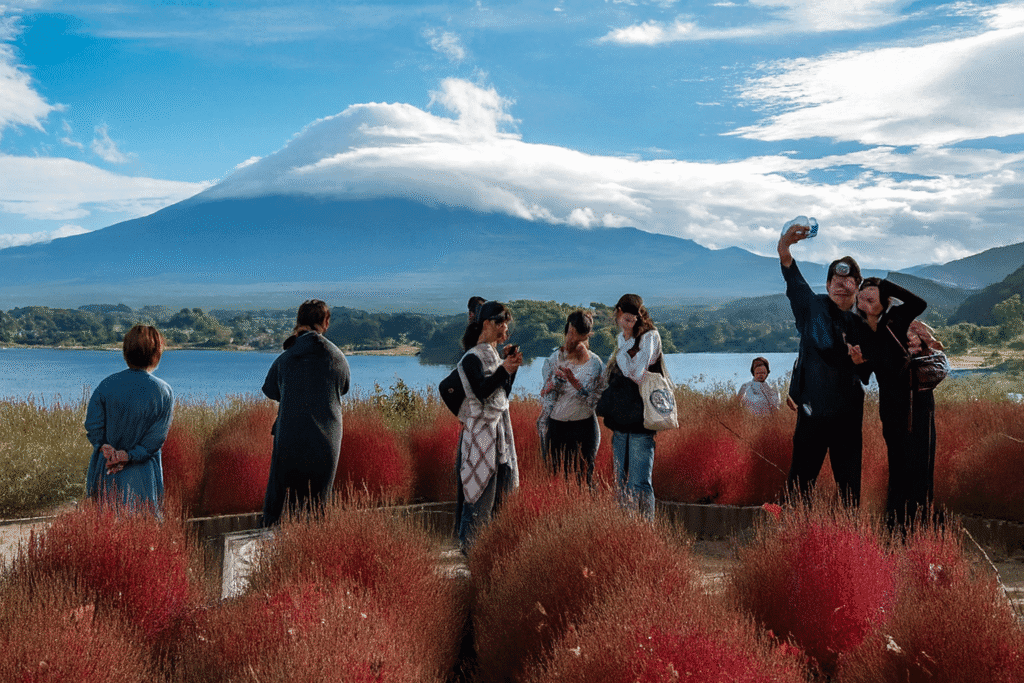
The travel advisory might hurt more than just feelings. Between January and September this year, 7.5 million travelers from China went to Japan—the highest count from any country or region, according to official data from NHK, the Japanese public broadcaster. That’s a lot of tourism money walking away if people actually listen to Beijing’s warning. The dictum represents the most substantive retaliation so far, even if it feels more symbolic than anything else right now.
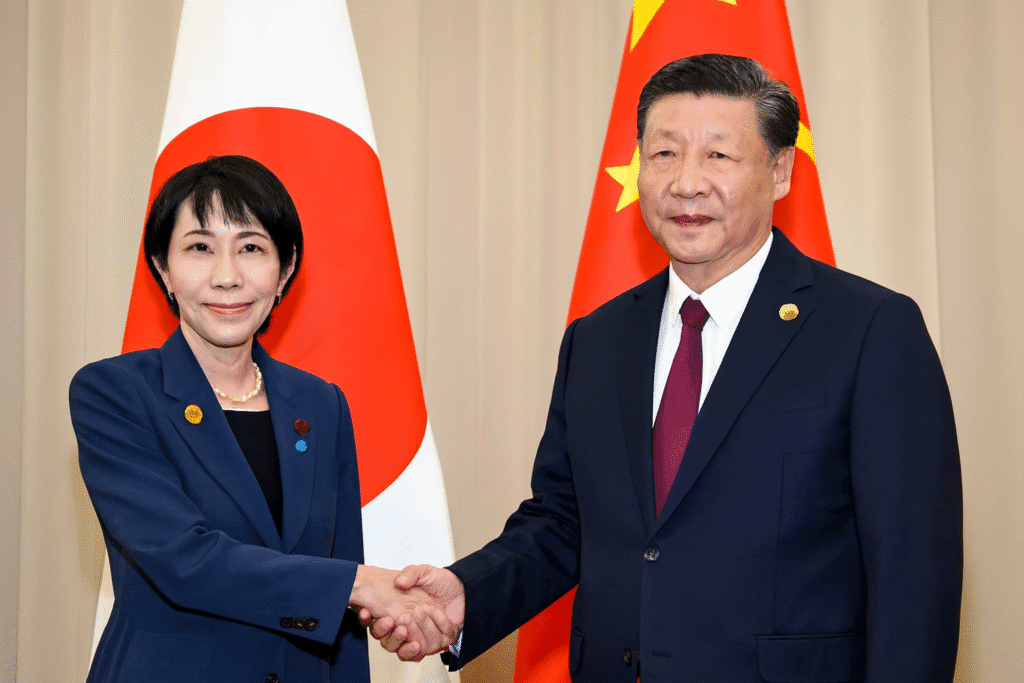
You have to wonder what this means for businesses on both sides. The damaged atmosphere for people-to-people exchanges wasn’t supposed to happen. Just two weeks ago, Takaichi and Chinese leader Xi Jinping met for the first time on the sidelines of an international summit. They shook hands and agreed to pursue constructive, stable ties. Now? That plan looks dead in the water.
Social Media Made Everything Worse
The real backlash kicked off when Xue Jian, China’s Consul General in Osaka, shared a news article about Takaichi’s remarks on Saturday. He added his own comment: “the dirty neck that sticks itself in must be cut off.” The post on X got deleted pretty quickly, but screenshots live forever online. State media then launched a barrage of scathing commentaries and editorials attacking Takaichi personally.
Rampant social media discussion in China disparaged the Japanese leader, with nationalist, anti-Japanese sentiment feeding the fire. This stuff has been on the rise in recent years, and government media knows how to fan those flames. The People’s Liberation Army Daily published a commentary Saturday saying Japan would get a “head-on blow” if it intervened militarily. A PLA-affiliated account even circulated threats translated into Japanese, warning that Japan would “pay a heavy price” in such a case. The message was clear: back off or face consequences.
Tokyo summoned China’s ambassador to Japan on Friday to protest Xue’s “highly inappropriate remarks” and demand that Beijing take “appropriate actions,” its foreign ministry said. The day prior, Beijing had already summoned Japan’s ambassador to China. In that meeting, Vice Foreign Minister Sun Weidong told the Japanese diplomat that Takaichi’s comments had “seriously damaged the political foundation of China-Japan relations.” He slammed Japan for refusing to apologize or walk back what she said.
Foreign Minister Toshimitsu Motegi shot back Friday that there’s no need to retract anything. He was stressing that Takaichi spoke within the context of a discussion about an “existential crisis situation.” Chief Cabinet Secretary Minoru Kihara added his voice, saying “peace and stability in the Taiwan Strait matter for Japan’s security and the whole international community.” Neither side looks ready to blink first.
On Monday, Takaichi tried to calm things down a bit. She said her remarks were “hypothetical” and promised to refrain from making similar comments in parliament again. But damage control only goes so far. Previous Japanese leaders carefully avoided discussing Taiwan in any military response scenario. There’s a reason for that caution.
Washington plays this game too, staying deliberately vague about how it would respond to a hypothetical invasion—a policy called “strategic ambiguity.” Nobody wants to paint themselves into a corner with promises they might not keep. Beijing is widely seen as aiming to establish itself as the dominant power in the region. It looks warily at the American alliance with Japan because that partnership directly affects China’s regional security plans and ambitions.
Takaichi has called for closer security ties with the US. Last month she moved to accelerate the country’s defense build-up, following a path set by previous Japanese prime ministers. But here’s the catch: she also has to balance Japan’s close economic ties to China. That’s the real tension nobody can ignore. The falling-out between Beijing and Tokyo over this incident shows just how fragile things are when you’re trying to prepare for conflict while keeping trade flowing.
The surge of vitriolic backlash and outrage from both sides suggests this won’t blow over quickly. With nationalist feelings running hot and government missions issuing warnings, the relationship between these two major Asian powers faces serious strain heading into winter.