A massive nor’easter is barreling toward the East Coast, threatening to turn the Columbus Day holiday into a washout for millions. The storm will bring dangerous flooding, damaging high winds, and widespread power outages from Florida all the way to New Jersey. Residents across multiple states are scrambling to prepare as forecasters warn this weekend storm could drench communities already under threat from rising seas and unusually high king tides.
Where Nor’easters Come From and Why They’re So Destructive
The term nor’easter might sound quaint, but there’s nothing charming about these storms. They earn their name from the relentless northeast winds that pummel the coast as the system spins counterclockwise offshore. According to the National Weather Service, these weather monsters typically develop within 100 miles of the shoreline when frigid air masses collide with warm sea water.
What makes them particularly nasty? Unlike hurricanes, a nor’easter is an unnamed storm—no dramatic monikers, just raw destructive power. They can occur any time between September and April, though winter sees them most frequently. Heavy rain, snow, and high wind gusts are standard features. Over the years, these storms have caused billions of dollars in damage throughout the U.S. The types of devastation consisting of washed-out roads, collapsed buildings, and obliterated coastlines make them some of nature’s most expensive tantrums. Forecasters said the current system checks all the boxes for a major event.
Charleston Is Already Flooded—And It’s Going to Get Worse
Charleston, South Carolina woke up underwater Friday morning. Sea water invaded the historic downtown, forcing officials to close three dozen roads as floodwaters reached above ankles. Locals waded through intersections that looked more like canals. The morning high tide crested at 8.46 feet (2.58 meters)—the 13th highest ever recorded in over a century of data for Charleston Harbor.
This wasn’t an isolated incident. Tidal flooding paralyzed roads for hours along the Georgia and Florida coasts as well. Here’s the kicker: the moon is closer to Earth than usual right now, creating unusually high king tides that amplify every storm surge. Add an incoming nor’easter to that equation, and you’ve got a recipe for disaster. Forecasters are predicting conditions will deteriorate further through the weekend. Coastal residents who thought Friday morning was bad? That was just the opening act.
The Outer Banks Has Lost 10 Houses—More Could Follow
The North Carolina Outer Banks is fighting a losing battle with the Atlantic. Over the past month, a series of storms that moved offshore have already destroyed 10 houses and breached dunes in areas where natural barriers once provided protection. SEA BRIGHT and neighboring communities aren’t waiting to see what happens next.
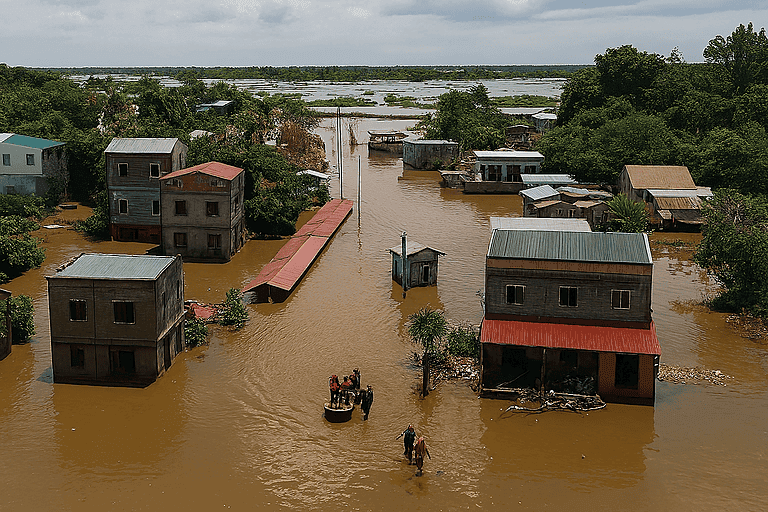
OEM workers spent the day hard at work filling more than 500 sandbags now available for pickup. But the response goes beyond sandbags. Emergency managers are staging pontoon boats for possible rescues, positioning evacuation trucks around flood-prone neighborhoods, and checking equipment that might mean the difference between life and death. They’ve seen what these storms can do. Nobody’s taking chances as the worst conditions approach. The question isn’t if the storm will hit—it’s how much more damage it will inflict on communities already reeling.
New York City Declares Emergency as 60 MPH Winds Target the Tri-State
New York City officials aren’t messing around. They’ve declared a state of emergency ahead of Sunday afternoon, when the storm is expected to unleash its full fury. A high wind watch blankets parts of Long Island and stretches into New Jersey, warning of gusts up to 60 mph (95 kph). PIX11 meteorologists are telling viewers to secure outdoor furniture, trash cans—anything that could become a missile in hurricane-force winds.
The real danger? Trees. The ground is already soaked from recent rain, meaning root systems have lost their grip. When those high winds arrive, expect trees to topple like dominoes. That’s when the power outages begin. Utility companies are staging repair crews, but residents should prepare for outages that could last days in the worst-hit areas. Charge your phones now. Fill your bathtubs. Don’t assume the lights will stay on. This nor’easter means business.
What This Means For You: Holiday Plans Are Officially Ruined
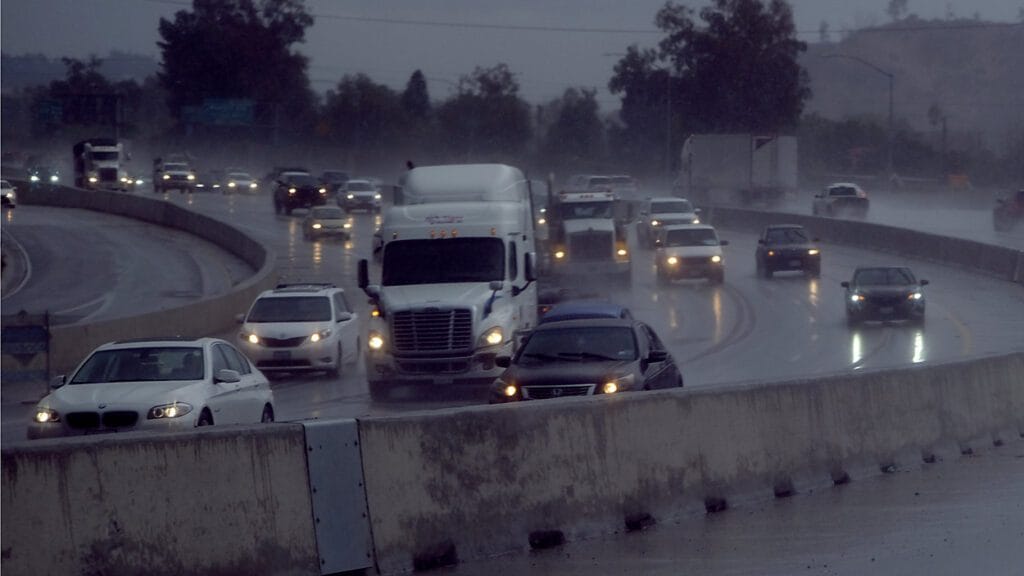
Let’s be blunt—this storm is going to drench your holiday weekend. The Columbus Day holiday just became a stay-home-and-wait-it-out situation for anyone living from Delaware to Florida and points north. This weekend storm isn’t one of those quick-moving systems that bring a few hours of rain and move on. It’s a slow-motion disaster that will camp out over the East Coast through Monday. Forecasters warned people living near the shores to brace for major coastal flooding. We’re talking about roads under water, beach erosion, and oceanfront properties taking direct hits. Communities around tourist hotspots face economic devastation on top of physical damage—without visitors, holiday weekend revenue evaporates.
South Carolina and Georgia are already dealing with impacts. The North Carolina Outer Banks is next in line. Then the storm moves up the coast, targeting New Jersey and areas around New York City by Sunday into Monday. Forecasters tracking this system emphasize that these unnamed storm events can be just as destructive as their hurricane cousins. The combination of persistent strong winds, astronomical tides, and heavy rain creates conditions that have historically caused catastrophic damage. Don’t underestimate this nor’easter. Residents who’ve lived through these storms before know what’s coming. Stock up on supplies, charge devices, and have evacuation plans ready. The storm is still intensifying, and the worst may be yet to come. Stay informed, stay safe, and forget about those beach plans.